How to Prune Hybrid sedge?
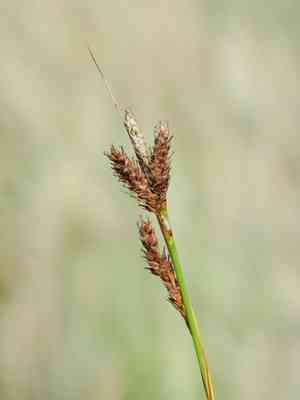
This hybrid sedge variety is adaptable, featuring elegant, curved leaves. Trim it during the initial part of spring or in winter to eliminate any withered or compromised foliage and to sculpt its form. Trimming it down to the ground stimulates more robust development and prevents excessive density. Refrain from extensive trimming during its active growth period to avoid interfering with its natural rhythm. Consistent trimming improves air movement and aesthetic charm, cultivating a rich and lively garden display.
What Are the Benefits of Pruning Hybrid Sedge?
What Are the Benefits of Pruning Hybrid Sedge?
Trimming hybrid sedge encourages robust development, maintains its form, improves appearance, and lowers the chance of pest issues. Regular trimming helps control its dimensions, preventing it from becoming too large.
What Is the Best Time for Pruning Hybrid Sedge?
What Is the Best Time for Pruning Hybrid Sedge?
Pruning or trimming hybrid sedge in early spring allows for rapid recovery during its active growth phase, supporting healthy development. Winter pruning is ideal as hybrid sedge is dormant, minimizing stress and promoting strong growth when the season resumes. Both periods avoid disrupting hybrid sedge's flowering or fruiting, ensuring optimal health and look.
What Tools Do I Need to Prune Hybrid Sedge?
Hand Pruners
Perfect for trimming and reducing smaller sections of hybrid sedge, ensuring clean cuts without harming the stalks.
Grass Shears
Excellent for maintaining the overall shape and size of hybrid sedge, making it simple to manage growth and foster healthy foliage.
Long-handled Loppers
Useful for cutting thicker stems or for plants with denser growth areas, providing better reach and leverage.
Hedge Trimmers
Effective for larger pruning tasks and shaping bigger clumps of hybrid sedge, ensuring a uniform and neat appearance.
Pruning Saws
Best suited for older, woodier hybrid sedge growth that may occasionally require more substantial cutting through thicker stems or roots.
How to Prune Hybrid Sedge
Preparation
Ensure you have a clean, sharp pair of pruning shears. Sanitize the shears with rubbing alcohol to prevent the spread of disease.
Inspection
Carefully examine hybrid sedge to identify and locate the diseased and withered leaves that need to be removed.
Cutting Diseased Leaves
Carefully prune away the diseased leaves, cutting as close to the base of the leaf as possible without damaging the healthy parts of the plant. Dispose of the diseased leaves in a sealed bag to prevent contamination.
Cutting Withered Leaves
Trim the withered leaves by cutting them off at the base. Be careful to avoid cutting any new growth that may be emerging.
Clean-Up
After pruning, gather all trimmed material and dispose of it properly. Clean the pruning shears once again to ensure they are ready for future use.
Common Pruning Mistakes with Hybrid Sedge
Over-pruning
Removing too much foliage can stress hybrid sedge and hinder its growth. It is crucial to leave enough greenery for photosynthesis.
Incorrect tool usage
Using dull or inappropriate tools can damage the stems and leaves, making hybrid sedge susceptible to disease and pests.
Pruning at improper angles
Incorrect cutting angles can create jagged edges, which may introduce pathogens and hinder proper healing.
Inconsistent pruning
Irregular pruning can result in uneven growth. Hybrid sedge benefits from a more consistent and controlled approach.
Common Pruning Tips for Hybrid Sedge
Gradual pruning
Start by removing dead, damaged, or diseased stems. This encourages healthy growth without shocking hybrid sedge.
Sharp tools
Always use clean, sharp pruning shears to make precise cuts. This minimizes damage and the likelihood of infection.
Clean cuts
Make clean, slanted cuts close to the base of the stem to ensure quick healing and to prevent water accumulation.
Thinning out
Thinning dense areas helps increase air circulation and light penetration, promoting overall plant health for hybrid sedge.



