How to Transplant Inflated narrow-leaf sedge?
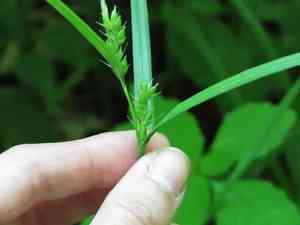
Inflated narrow-leaf sedge flourishes most effectively when relocated during the prime periods of mid to late spring or early summer, owing to the temperate, growth-conducive conditions. Preferred sites are partially shaded, damp environments. Guarantee regular irrigation after transplanting to facilitate improved rooting.
What Preparations are Needed Before Relocating Inflated Narrow-leaf Sedge?
What is the Ideal Time for Relocating Inflated Narrow-leaf Sedge?
Inflated narrow-leaf sedge, a perennial, moves best from mid to late spring through early summer. This period provides warmer soil for root establishment and a sufficient growing season for recovery and development. By relocating during this time, inflated narrow-leaf sedge benefits from optimal conditions that reduce shock and promote robust growth.
How Much Space Should You Leave Between Inflated Narrow-leaf Sedge Plants?
Position each inflated narrow-leaf sedge 12-18 inches (30-45 cm) apart to allow for adequate growth and air circulation. This will help the plants flourish and prevent overcrowding.
What is the Best Soil Mix for Inflated Narrow-leaf Sedge Relocation?
Utilize well-draining soil rich in organic matter. A good foundational fertilizer, such as compost or aged manure, can be blended into the soil to supply essential nutrients for inflated narrow-leaf sedge.
Where Should You Relocate Your Inflated Narrow-leaf Sedge?
Inflated narrow-leaf sedge prefers a spot with partial to full shade. Avoid areas with harsh, direct sunlight as this plant thrives best in softer light conditions.
What Equipments Should You Prepare Before Relocating Inflated Narrow-leaf Sedge?
Gardening Gloves
To safeguard your hands while handling soil and plants.
Shovel or Spade
To excavate around and lift the plant from its initial spot.
Trowel
For more precise digging tasks, especially when moving from containers or trays.
Hand Pruners
To trim damaged or excess foliage prior to relocation.
Watering Can or Hose
To hydrate the plant and soil before and after relocation.
Mulch
To cover the relocated area and maintain soil moisture.
How Do You Extract Inflated Narrow-leaf Sedge from the Soil?
How Do You Extract Inflated Narrow-leaf Sedge from the Soil?
From Ground: First, water the inflated narrow-leaf sedge plant to moisten the soil. Then, dig a wide trench around the plant using a shovel or spade, ensuring the plant's root ball remains intact. Carefully work the spade beneath the root ball to lift the plant from its original location.From Pot: Water the inflated narrow-leaf sedge plant thoroughly to help loosen the soil. Gently tap the sides and base of the pot to release the plant. Tilt the pot and carefully slide the plant out, keeping the root ball intact.From Seedling Tray: Water the seedlings to help keep the root ball together. Use a trowel to gently loosen the sides of the tray cells. Carefully lift the seedlings out by the root ball or base, avoiding damage to the delicate roots.
Step-by-Step Guide for Relocating Inflated Narrow-leaf Sedge
Site Preparation
Select an appropriate relocation site that meets sunlight and spacing needs. Dig a hole twice as wide but equal in depth to the root ball of inflated narrow-leaf sedge.
Soil Preparation
Amend the hole with compost or organic matter if necessary. Loosen the soil within and around the hole to encourage root growth.
Placing the Plant
Position the root ball of inflated narrow-leaf sedge in the center of the hole. The top of the root ball should be level with or slightly above the surrounding soil. Backfill the hole gently and firmly press down the soil to eliminate air pockets.
Watering
Water the plant thoroughly after planting to settle the soil around the roots.
Mulching
Apply a layer of mulch around the base of the plant to retain moisture and deter weed growth, ensuring not to cover the stem.
How Do You Care For Inflated Narrow-leaf Sedge After Relocation?
Watering
Keep the soil around the inflated narrow-leaf sedge consistently moist, but not waterlogged, for the first few weeks after relocation to help establish strong roots.
Monitoring
Check the plant daily for signs of stress or relocation shock, such as wilting or discoloration. Address any issues promptly by adjusting water levels or providing temporary shade.
Pruning
Lightly trim any damaged or dead foliage to facilitate new growth and reduce stress on the plant.
Mulch Maintenance
Ensure the mulch layer remains intact to help retain soil moisture and regulate temperature. Replenish mulch as needed.
Troubleshooting Common Issues with Inflated Narrow-leaf Sedge Relocation.
When is the best time to relocate inflated narrow-leaf sedge?
The ideal times to relocate inflated narrow-leaf sedge are mid to late spring or early summer.
How far apart should I space inflated narrow-leaf sedge plants?
Space inflated narrow-leaf sedge plants 12-18 inches (30-45 cm) apart to ensure adequate growth and airflow.
Why is my relocated inflated narrow-leaf sedge wilting?
Wilting could indicate relocation shock. Ensure the plant roots stay moist and out of direct midday sun.
How do I prepare the soil for inflated narrow-leaf sedge?
Amend the soil with compost to improve drainage and fertility before planting inflated narrow-leaf sedge.
What should I do if inflated narrow-leaf sedge appears yellow after relocating?
Yellowing can indicate overwatering or nutrient deficiency. Adjust watering and consider adding a balanced fertilizer.
How deep should I plant inflated narrow-leaf sedge?
Plant inflated narrow-leaf sedge at the same depth it was in its original location to avoid root stress.
How often should I water inflated narrow-leaf sedge after relocating?
Water inflated narrow-leaf sedge thoroughly after relocating and keep the soil consistently moist, but not waterlogged.
Can I relocate inflated narrow-leaf sedge in full sun?
Inflated narrow-leaf sedge can tolerate full sun, but partial shade is preferable for better growth and less stress.
What type of mulch is best for inflated narrow-leaf sedge?
Use organic mulch, like wood chips or straw, to retain moisture and regulate soil temperature.
How can I minimize relocation shock in inflated narrow-leaf sedge?
Relocate early or late in the day, water well, and avoid disturbing the root ball of inflated narrow-leaf sedge.



