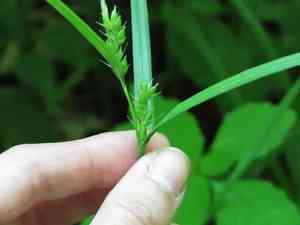
Inflated narrow-leaf sedge (Carex grisea)
Also known as: Eastern narrow-leaved sedge
Pennsylvania sedge, a perennial plant, features a bushy, clump-forming growth habit. Its slender, grass-like leaves emerge from a central base and are adorned with subtle greenish-brown flower spikes in the spring. This sedge is well-suited to woodland habitats, thriving in moist, shady conditions and adding to the diversity of the understory. Its adaptable root system allows it to flourish in both dense and sparse soil environments.
In This Article
Attributes of Inflated narrow-leaf sedge
Lifespan
Perennial
Plant Type
Grass
Plant Height
15 cm to 91 cm
Spread
20-50 cm
Leaf Color
Gray-green
Flower Size
N/A (Sedges do not produce typical flowers)
Flower Color
White Yellow Green
Images of Inflated narrow-leaf sedge
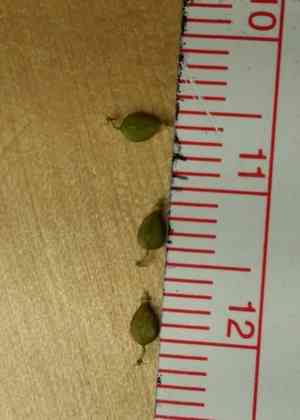
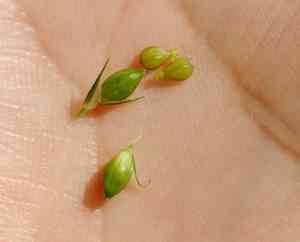
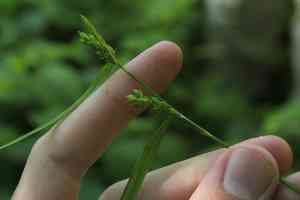
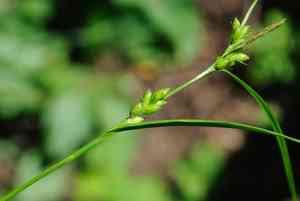
Quickly Identify Inflated narrow-leaf sedge
1
Identification of Carex grisea includes observing its grass-like leaves, triangular stems, and dense, cylindrical flower spikes. The plant is known for its gray-green foliage.
Scientific Classification of Inflated narrow-leaf sedge
Phylum
Vascular plants
Class
Monocotyledons
Order
Poales
Family
Sedge
Genus
True sedges
Species
Inflated narrow-leaf sedge
Planting and Growing of Inflated narrow-leaf sedge
Care Difficulty
Moderate
Watering Schedule
Every 8 days
Sunlight Requirements
Partial sun
Sunshine Duration
6-12 hours
Ideal Temperature
60-77℉
Soil Type
Potting Mix, Peat Mix
Soil pH
6.5-7.5
Fertilizer Type
Balanced
Pruning Season
Spring, Summer
Pruning Area
Branches, Leaves
Pruning Frequency
2 times a year
Repotting Season
Spring
Pot Type
Plastic, Ceramic
 How to Water Inflated narrow-leaf sedge?
Water Carex grisea deeply until the soil is evenly moist to a depth of about 10 centimeters. Ensure water reaches the roots but does not leave the soil soggy. A slow and thorough watering helps the plant to properly absorb moisture and strengthens its roots. A consistent watering depth is key to maintaining healthy growth.
What are the symptoms of an underwatered Inflated narrow-leaf sedge?
›
What should I do if my Inflated narrow-leaf sedge is not getting enough water?
›
What are the symptoms of an overwatered Inflated narrow-leaf sedge?
›
How to save an overwatered Inflated narrow-leaf sedge?
›
 What Are the Sunlight Requirements for Inflated narrow-leaf sedge?
Carex grisea prefers partial sun to full shade, offering it a balanced lighting that promotes lush, vibrant growth and strong root systems.
What is the ideal amount of sunlight?
›
How can you ensure the plant gets ideal lighting?
›
What benefits come from ideal lighting?
›
 What Is the Ideal Temperature Range for Inflated narrow-leaf sedge?
Carex grisea thrives best in a temperature range of 60°F to 77°F. This allows the plant to perform essential physiological processes effectively, ensuring robust growth and development. Temperatures within this range facilitate proper nutrient uptake and photosynthesis, contributing to the overall health and longevity of the plant.
 What Soil is Best for Inflated narrow-leaf sedge?
Carex grisea thrives in soils that offer good drainage to prevent waterlogging. Well-drained loamy or sandy soils ensure that roots receive the right amount of air. This prevents root rot and other moisture-related diseases, promoting healthy plant growth. While good drainage is important, the soil should also retain enough moisture to keep the plant hydrated. This balance is crucial for Carex grisea's growth, as it ensures a consistent water supply without the risk of standing water. A fertile, nutrient-rich soil is essential for optimal growth. Incorporating organic matter like compost or leaf mold can enhance soil fertility, providing the necessary nutrients for healthy foliage and robust growth.
 How to Fertilize Inflated narrow-leaf sedge?
For Carex grisea, apply a balanced liquid fertilizer at half the recommended strength per label during the growing season. This helps to avoid nutrient burn and ensures even distribution of essential vitamins and minerals.
 How to Prune Inflated narrow-leaf sedge?
Begin by cutting back any brown or damaged foliage to encourage vibrant new growth. Identify dead, diseased, or damaged leaves and prune them at the base of the leaf blade. Carex grisea can form dense clumps over time. If the center begins to die out or the plant becomes too crowded, thin out older plants to allow space for fresh, vigorous growth. When pruning, aim to maintain the natural arching shape of the sedge. Cut back overgrown sections to restore the plant's natural, graceful form, ensuring not to cut too much in one session.
More About Pruning Techniques→
 How to Propagate Inflated narrow-leaf sedge plant?
1
Choose carex plants that are healthy and have multiple stems. The selected plants should be disease-free, showing new growth which indicates their readiness for division.
2
Use a garden spade to carefully lift the carex clumps from the ground. It's important to preserve as much of the root ball as possible to ensure successful transplantation.
3
Separate the clump into smaller sections using your hands or pruning shears. Make sure each section has a healthy amount of roots and at least one shoot for optimal growth.
 How to Repot Inflated narrow-leaf sedge plant?
1
A sure sign that Carex grisea needs repotting is when you notice the roots beginning to grow out of the drainage holes or if the plant appears to be stunted due to overcrowding. Repotting is best done in spring or autumn when the plant is not in active growth, reducing stress.
2
Select a pot that is 2-3 inches larger in diameter than the current one to give the roots room for growth. A pot with drainage holes is essential to prevent waterlogging and root rot, and using a terracotta pot can help to regulate soil moisture.
3
Opt for well-draining soil to ensure the roots have plenty of air and don't sit in water. A mixture containing perlite or sand will promote aeration, while organic matter like peat moss can retain necessary moisture without becoming waterlogged.
Learn More About Inflated narrow-leaf sedge Diseases
Anthracnose
Bacterial Leaf Spot
Bacterial Soft Rot
Damping-off
Downy Mildew
Drought Stress
Fusarium Wilt
Gray Mold
Leaf Spot
Mosaic
Nutrient Deficiency
Nutrient Toxicity
Powdery Mildew
Root Rot
Root-knot Nematode
Rusts
Sooty Mold
Spider Mites
Temperature Stress
Thrips Damage
White Mold
Chemical Injury



