How to Propagate Inflated narrow-leaf sedge?
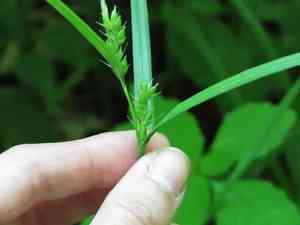
Carex intumescens, a perennial sedge, flourishes in damp, shaded environments, frequently observed in forested regions or beside waterways. For propagating Carex intumescens, the preferred technique is division. Gently divide the plant clusters, making certain that every segment possesses adequate roots and emerging stems. Promptly replant them in comparable environmental conditions to prevent shock. This approach facilitates more rapid establishment and robust development, consistent with the plant's inherent habitat requirements.
When Is the Optimal Time to Propagate Inflated Narrow-leaf Sedge?
Propagation Type
Division
Propagation Season
Spring,Autumn
What Implements Are Utilized in Inflated Narrow-leaf Sedge Propagation?
Garden Fork or Spade
Employed to carefully lift clumps of inflated narrow-leaf sedge from the ground, ensuring minimal harm to the root system. The tool's leverage aids in dividing the clump without undue plant stress.
Sharp Knife or Pruners
Essential for separating the clump into smaller portions. A clean, sharp cut reduces disease risk and ensures each section possesses a healthy root system for successful propagation.
Rooting Hormone
Though not always required, rooting hormone can accelerate root development and boost the success rate of newly divided sections. It's especially helpful for rapid establishment of each divided part.
Watering Can or Hose with Gentle Spray Nozzle
Used to thoroughly hydrate the divided sections post-planting. Maintaining consistent moisture levels is vital for the establishment and health of inflated narrow-leaf sedge, particularly right after division.
Plant Labels
Crucial for marking each newly planted section to monitor their growth and progress. This is especially important in a garden with multiple species to prevent confusion and ensure proper care.
Compost or Organic Matter
Incorporating compost or organic material into the soil at the planting site helps improve soil structure, supply nutrients, and create a healthier environment for the newly divided inflated narrow-leaf sedge sections.
Transplanting Trowel
Perfect for placing each divided section into its new spot. The trowel allows for precise digging and positioning, ensuring roots are properly settled without air pockets.
Protective Gloves
Offers defense from sharp tools and potential soil irritants when handling and dividing inflated narrow-leaf sedge. Ensuring gardener safety contributes to a more effective and enjoyable propagation process.
Mulch
Applied around the base of the newly planted sections to retain soil moisture, suppress weeds, and regulate soil temperature. Mulch helps create a stable environment for inflated narrow-leaf sedge to establish more robustly.
How to Propagate Inflated Narrow-leaf Sedge?
Propagation Type
Simple
How to Nurture Your Newly Propagated Inflated Narrow-leaf Sedge?
How to Nurture Your Newly Propagated Inflated Narrow-leaf Sedge?
Following propagation, ensure that inflated narrow-leaf sedge is kept in a moist yet well-draining soil environment. Regularly check and water the plant to maintain consistent moisture levels, especially during the initial establishment phase. Apply mulch around the base to retain moisture and suppress weeds. Trim any damaged or dead foliage to encourage healthy growth. Provide partial to full shade to mimic its natural habitat, and watch for signs of pests or diseases, addressing them promptly to ensure the plant thrives.
Common Errors to Avoid When Propagating Inflated Narrow-leaf Sedge
Overwatering
Excessive irrigation can lead to root rot, resulting in poor plant health and potentially killing the plant before it establishes.
Improper Soil Selection
Using soil that lacks good drainage can retain too much moisture, which can hinder root development and lead to fungal diseases.
Incorrect Light Levels
Placing the plant in either too much direct sunlight or too much shade can stress the plant, compromising its ability to propagate effectively.
Inadequate Space
Crowding plants too closely together can limit air circulation and increase the risk of disease spread, also restricting root expansion.
Advice For Propagating Inflated Narrow-leaf Sedge
Well-Draining Soil
Utilize a soil mixture that provides good drainage to prevent waterlogging and root rot.
Moderate Watering
Ensure the soil remains moist but not saturated; watering should be adjusted based on the plant's needs and environmental conditions.
Indirect Light
Position inflated narrow-leaf sedge in a spot that receives filtered or indirect light to mimic its natural habitat, avoiding both intense direct sunlight and deep shade.
Proper Spacing
Allow ample space between plants to enhance airflow and permit healthy root expansion, reducing the likelihood of fungal infections.



