How to Prune Inflated narrow-leaf sedge?
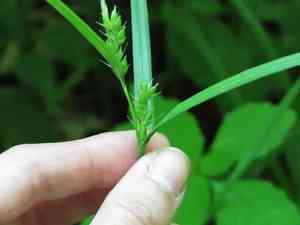
Inflated narrow-leaf sedge, recognized for its swollen, slender foliage and compact clusters, necessitates meticulous trimming to preserve its vitality and aesthetic. The most suitable times for pruning are in early spring and during winter. Remove any withered or compromised leaves to stimulate fresh development and deter ailments. Gentle thinning in congested sections improves air movement and light exposure. After flowering, cut back the flower stalks to prevent undesirable self-propagation. Consistent pruning fosters robust growth and a neat appearance, thereby elevating the plant's decorative appeal.
Advantages of Trimming Inflated Narrow-leaf Sedge
Advantages of Trimming Inflated Narrow-leaf Sedge
Trimming inflated narrow-leaf sedge encourages robust development and preserves its form. Regular trimming eliminates dead or damaged stalks, fostering healthy growth and a tidy look. This aids in managing its dimensions and preventing congestion, ensuring strong and continuous growth.
Optimal Period for Trimming Inflated Narrow-leaf Sedge
Optimal Period for Trimming Inflated Narrow-leaf Sedge
Trimming or cutting inflated narrow-leaf sedge during early spring and winter is ideal due to its growth cycle and dormant phase. Pruning in early spring ensures the plant is not actively growing, minimizing stress and helping manage its structure before new growth begins. This timing also promotes healthier and more vigorous growth during the active season. Winter pruning is equally beneficial as inflated narrow-leaf sedge enters dormancy, reducing the chance of disease and pest issues. Additionally, colder months offer better visibility and access to the plant's structure without foliage obstruction, allowing for more precise trimming.
Necessary Tools for Trimming Inflated Narrow-leaf Sedge
Hand Pruners
Perfect for removing dead or damaged leaves and stems, ensuring precise cuts for rapid healing.
Shears
Useful for shaping and maintaining the clump size of inflated narrow-leaf sedge, allowing for neat, controlled cuts.
Scissors
Suitable for delicate, detailed work that may be required around the base of inflated narrow-leaf sedge to remove small, unwanted growth.
Gloves
Protect hands from potential irritation or cuts during trimming sessions.
How to Trim Inflated Narrow-leaf Sedge
Evaluation
Examine inflated narrow-leaf sedge thoroughly to identify any diseased or withered leaves. Note these areas for targeted trimming.
Sanitization
Clean and disinfect trimming tools to prevent disease spread. This helps ensure inflated narrow-leaf sedge remains healthy after the trimming process.
Removal
Carefully trim diseased leaves first, cutting them back to healthy tissue. Use sharp pruning shears to make clean cuts and avoid tearing the leaves.
Cleanup
Remove and dispose of all diseased and withered leaves from the vicinity of inflated narrow-leaf sedge to prevent potential fungal or bacterial growth.
Inspection
After trimming, regularly inspect inflated narrow-leaf sedge for any new signs of disease or wilting. Promptly address any new issues to maintain overall plant health.
Common Trimming Errors with Inflated Narrow-leaf Sedge
Excessive trimming
Removing too much foliage at once can stress inflated narrow-leaf sedge, reducing its ability to photosynthesize and recover.
Incorrect cutting implements
Using dull or unsuitable tools can cause jagged cuts that are prone to disease and pest infestations.
Improper cutting methods
Making cuts too close to the base or leaving too much stem can lead to dieback or hinder new growth.
Neglecting tool sanitation
Failing to disinfect trimming tools between cuts or plants can spread diseases.
General Trimming Advice for Inflated Narrow-leaf Sedge
Utilize sharp, clean tools
Ensure your pruning shears or scissors are sharp and disinfected to make clean cuts and prevent disease transmission.
Trim selectively
Focus on removing dead or damaged leaves and stems first. For shaping or size management, trim conservatively to avoid over-stressing the plant.
Cut at the correct angle
Make cuts just above a node or joint at a slight angle to encourage healthy new growth.
Maintain plant structure
Aim to preserve the natural growth habit of inflated narrow-leaf sedge by trimming in a way that maintains its overall shape and encourages even growth.



