How to Transplant Roundfruit sedge?
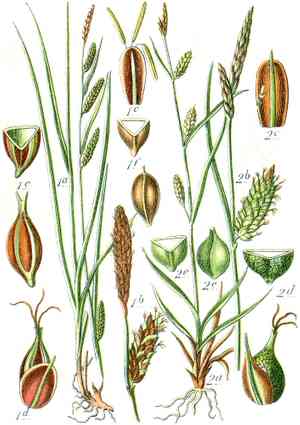
Roundfruit sedge flourishes when relocated from the beginning of spring through its end, since the mild climate aids in root development. Select a spot offering partial sunlight and soil that drains effectively to support peak growth. Precise timing and an appropriate site ensure vigorous progress.
What Preparations are Needed Before Transplanting Roundfruit Sedge?
What is the Ideal Time for Transplanting Roundfruit Sedge?
The best period for relocating roundfruit sedge spans from early to late spring. During this time, the ground begins to warm, encouraging root establishment. Moving it in spring ensures roundfruit sedge benefits from the active growth phase, leading to strong development. This season minimizes transplant stress and offers perfect conditions for settling in before the hotter summer months.
How Much Space Should You Leave Between Roundfruit Sedge Plants?
When moving roundfruit sedge, ensure a gap of 12-18 inches (30-45 cm) between each plant. This provides ample room for expansion and air circulation, helping to prevent disease and encourage robust growth.
What is the Best Soil Mix for Roundfruit Sedge Transplanting?
Select soil that drains well, preferably a sandy or loamy type, for roundfruit sedge. Prepare the soil by mixing in compost or a balanced base fertilizer to supply essential nutrients. This aids root establishment and vigorous growth.
Where Should You Relocate Your Roundfruit Sedge?
Position roundfruit sedge in an area receiving partial shade to full sun. This will ensure the plant gets sufficient sunlight to flourish while being adaptable enough for various garden environments.
What Equipments Should You Prepare Before Transplantation Roundfruit Sedge?
Gardening Gloves
To shield your hands while handling soil and plants.
Shovel or Spade
For excavating holes and trenches.
Hand Trowel
Useful for precise digging and loosening soil around the root mass.
Pruning Shears
To trim any damaged or overgrown roots.
Watering Can or Hose
To moisten the soil before and after relocation.
Compost or Mulch
For enriching the soil and retaining moisture.
Garden Fork
To gently lift plants from the soil without harming roots.
How Do You Remove Roundfruit Sedge from the Soil?
How Do You Remove Roundfruit Sedge from the Soil?
From Ground: First, hydrate the roundfruit sedge plant to moisten the soil. Then, dig a wide trench around the plant using a shovel or spade, ensuring the plant's root ball remains intact. Carefully work the spade beneath the root ball to lift the plant from its original spot.From Pot: Water the roundfruit sedge plant to dampen the soil. Gently tap the sides and bottom of the container to loosen the soil. Carefully slide the plant out of the pot, taking care to keep the root ball intact.From Seedling Tray: Water the roundfruit sedge seedlings. Use a hand trowel to gently lift each seedling from the tray, ensuring you bring along the entire root system and surrounding soil.
Step-by-Step Guide for Transplanting Roundfruit Sedge
Site Preparation
Choose a well-prepared site free of weeds and debris. Ensure the soil is loosened and amended with compost or organic matter if necessary.
Digging Hole
Excavate a hole that is twice as wide and equally as deep as the root ball of the roundfruit sedge plant.
Plant Placement
Position the roundfruit sedge plant in the center of the hole, making sure the top of the root ball is level with the ground surface.
Backfilling
Fill the hole with soil, gently pressing down to remove air pockets. Water the area immediately after backfilling to settle the soil around the roots.
Mulching
Apply a layer of mulch around the base of the roundfruit sedge plant to conserve moisture and regulate soil temperature.
How Do You Care For Roundfruit Sedge After Transplanting?
Watering
Keep the soil around the roundfruit sedge consistently moist, but not waterlogged, for the initial weeks post-transplant to aid in developing strong roots.
Monitoring
Regularly check for signs of transplant shock such as wilting or yellowing leaves, and ensure the plant receives adequate moisture.
Weed Control
Keep the area around your roundfruit sedge plant free of weeds, which can compete for nutrients and water.
Protection
Shield your roundfruit sedge plant from extreme weather conditions by using a shade cloth or protective covering, especially in cases of strong winds or intense sun.
Troubleshooting Common Issues with Roundfruit Sedge Transplantation.
When is the best time to transplant roundfruit sedge?
The optimal period to relocate roundfruit sedge is from early to late spring for best outcomes.
How far apart should I plant roundfruit sedge?
Space each roundfruit sedge 12-18 inches (30-45 cm) apart to ensure healthy development.
What's the best soil for roundfruit sedge?
Rich, well-draining soil is ideal for relocating roundfruit sedge. Loamy soil performs best.
How much water does roundfruit sedge need after transplanting?
Water roundfruit sedge thoroughly after transplanting and maintain consistently moist, but not saturated, soil.
Should I fertilize roundfruit sedge during transplanting?
Apply a balanced slow-release fertilizer during relocation to promote growth.
What should I do if roundfruit sedge shows signs of transplant shock?
Keep the soil moist, avoid direct sunlight, and consider using a root stimulator.
How deep should I plant roundfruit sedge?
Plant roundfruit sedge at the same depth it was growing in its previous spot.
What type of light is best for roundfruit sedge after transplanting?
Partial shade to full sun works well for roundfruit sedge. Adjust based on your specific climate.
Can I transplant roundfruit sedge in the summer?
Avoid relocating roundfruit sedge in summer as heat can stress the plant. Spring is preferable.
How can I protect roundfruit sedge from pests after transplanting?
Utilize organic pest control methods like neem oil and keep the area clear of debris.



