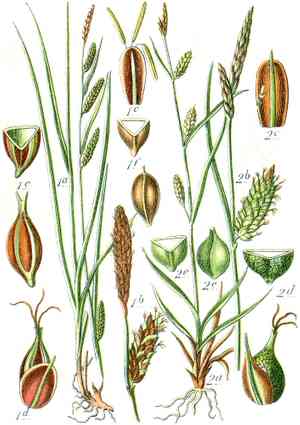
Roundfruit sedge (Carex globosa)
Also known as: Globose Sedge, Round-headed Sedge
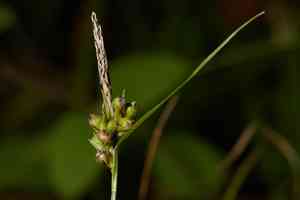
Roundfruit sedge, aptly named, features distinctive spherical seed heads. This perennial plant has grass-like foliage and flourishes in damp, shaded areas, often within woodland environments. Its dense clusters of flowers, ranging from green to brown, emerge in the spring and early summer, marking its presence in its natural habitat.
In This Article
Attributes of Roundfruit sedge
Lifespan
Perennial
Plant Type
Grass
Plant Height
30-50 cm
Spread
Varies, typically clump-forming
Leaf Color
Green
Flower Size
Approximately 5-10 mm
Flower Color
Greenish-yellow
Images of Roundfruit sedge
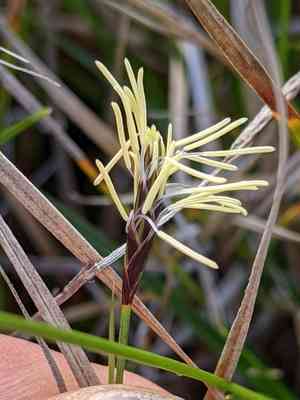
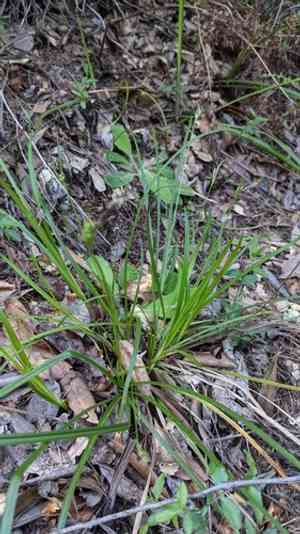
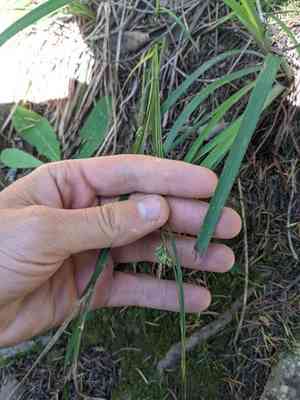
Quickly Identify Roundfruit sedge
1
Identifying Carex globosa involves observing its rounded, globose seed heads, narrow grass-like leaves, and its tendency to grow in clumps. The seed heads are particularly distinctive due to their round shape.
Scientific Classification of Roundfruit sedge
Phylum
Vascular plants
Class
Monocotyledons
Order
Poales
Family
Sedge
Genus
True sedges
Species
Roundfruit sedge
Planting and Growing of Roundfruit sedge
Care Difficulty
Easy
Watering Schedule
Every 2 days
Sunlight Requirements
Partial sun
Sunshine Duration
6-10 hours
Ideal Temperature
60-75℉
Soil Type
Potting Mix, Peat Mix
Soil pH
6.5-7.5
Fertilizer Type
Balanced
Pruning Season
Spring, Summer
Pruning Area
Branches, Leaves
Pruning Frequency
2 times a year
Repotting Season
Spring
Pot Type
Plastic, Ceramic
 How to Water Roundfruit sedge?
The amount of water needed for Carex globosa is approximately 250 milliliters per watering session. It's crucial to keep the soil moist but not waterlogged, ensuring water seeps through the soil and drains out properly.
What are the symptoms of an underwatered Roundfruit sedge?
›
What should I do if my Roundfruit sedge is not getting enough water?
›
What are the symptoms of an overwatered Roundfruit sedge?
›
How to save an overwatered Roundfruit sedge?
›
 What Are the Sunlight Requirements for Roundfruit sedge?
Partial sun to partial shade is ideal for Carex globosa. This range maintains optimal energy absorption for photosynthesis while preventing leaf burn, enhancing foliage vibrancy and overall plant vitality.
What is the ideal lighting for Carex globosa?
›
How can I achieve the ideal lighting for my Carex globosa?
›
What are the benefits of providing ideal lighting to Carex globosa?
›
 What Is the Ideal Temperature Range for Roundfruit sedge?
The ideal temperature range for growing Carex globosa is between 60°F and 75°F. In this range, the plant is generally able to maintain optimal health and show its full growth potential. Such conditions closely mimic its natural habitat, promoting good leaf development and overall robustness.
 What Soil is Best for Roundfruit sedge?
Carex globosa thrives in soils that can hold moisture well, ensuring the roots stay hydrated even during drier conditions. This characteristic is crucial for the plant's lush foliage and overall health. A nutrient-rich loam benefits Carex globosa by providing essential nutrients that contribute to vigorous growth and vibrant leaf coloration. It's vital for maintaining the plant's robustness and resilience against pests. This plant prefers a slightly acidic to neutral pH, which helps in the optimal absorption of nutrients required for its sustained growth and fortification against diseases.
 How to Fertilize Roundfruit sedge?
Carex globosa prefers a balanced approach to fertilization. A liquid fertilizer applied every two weeks should be diluted to half the recommended strength. This ensures a steady supply of nutrients without overwhelming the plant. For slow-release fertilizers, a small amount scattered around the base, equivalent to a tablespoon, is sufficient to meet its annual nutritional needs.
 How to Prune Roundfruit sedge?
Begin by removing any dead, brown, or damaged leaves to improve the plant's appearance and allow better air circulation. This enhances the plant's overall health and reduces the risk of infection. Carefully trim excessive or unruly growth to help maintain the shape and size of Carex globosa. Focus on evenly cutting around the plant to keep a balanced appearance and to prevent shading that can occur from overlapping blades. Adapt your pruning techniques slightly depending on the season; in spring, aim to encourage blooming and form, whereas in summer, focus more on maintaining tidiness and removing old growth.
More About Pruning Techniques→
 How to Propagate Roundfruit sedge plant?
1
Allow the Carex globosa flower heads to mature on the plant. Once the seeds are ripe, collect them gently by cutting the heads and allowing them to dry indoors for a few days. This ensures seed viability and successful germination.
2
Use a well-draining potting mix suitable for grasses. Mix in a balanced organic fertilizer to provide essential nutrients. This preparation supports seed germination and the growth of new plantlets from divisions.
3
Cut the root ball of an established Carex globosa plant into sections using a sharp trowel. Each section should have roots and shoots. Plant these divisions in prepared soil, firming the soil gently around them to establish good soil contact.
 How to Repot Roundfruit sedge plant?
1
Repotting Carex globosa is best done when you notice its roots beginning to circle around the pot's edges, indicating that it's becoming root-bound. Additionally, if you see slow growth or the soil draining too quickly, these are signs that it's time for a new, larger home. Pay attention to these cues as they signal when the plant is ready for its relocation.
2
Selecting the correct pot for Carex globosa involves opting for one that is just an inch or two larger in diameter than the current pot. This ensures adequate room for root expansion without causing waterlogging. A pot with drainage holes is paramount to prevent water accumulation and root rot, promoting healthy root development.
3
The soil for repotting Carex globosa should be a well-drained loam mix. This soil type provides a balance of moisture retention and air circulation, which is crucial for root health. A well-draining soil mix prevents water stagnation, reducing the risk of root rot while supporting optimal growth conditions.
Learn More About Roundfruit sedge Diseases
Anthracnose
Bacterial Leaf Spot
Bacterial Soft Rot
Bacterial Wilt
Chemical Injury
Cyst Nematode
Damping-off
Downy Mildew
Drought Stress
Fusarium Wilt
Gray Mold
Leaf Spot
Mosaic
Nutrient Deficiency
Nutrient Toxicity
Powdery Mildew
Root Rot
Root-knot Nematode
Rusts
Sooty Mold
Spider Mites
Temperature Stress
Thrips Damage
White Mold



