How to Propagate Roundfruit sedge?
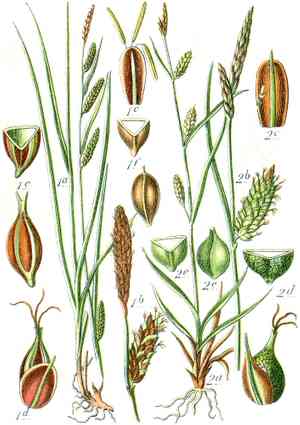
Carex globulifera flourishes in damp, adequately drained substrates and favors dappled sunlight. For successful reproduction, splitting the plant is advised. Gently excavate the specimen and detach the root clumps, making sure every section possesses sufficient root mass. Replant these sections at an identical soil level to the parent plant. Irrigate generously post-planting to aid root development. Consistent attention will foster vigorous development and straightforward integration of new specimens.
Optimal Timing for Roundfruit Sedge Propagation
Propagation Method
Division
Propagation Period
Spring,Autumn
Tools for Roundfruit Sedge Propagation
Garden Spade
Utilized for excavating and separating roundfruit sedge clumps. A sharp spade ensures clean cuts, minimizing root damage.
Hand Pruners
Crucial for trimming roots and removing unhealthy or dead foliage prior to replanting. Clean cuts promote healing and reduce disease risk.
Garden Fork
Helpful for loosening soil around roundfruit sedge before division, minimizing disturbance to beneficial intact root systems.
Root Knife
For precise separation of roundfruit sedge clumps, particularly useful for dividing dense roots without excessive harm. A serrated edge offers better control.
Watering Can with Fine Rose
To gently and evenly water divided roundfruit sedge parts after replanting, ensuring moist but not waterlogged soil.
Soil pH Tester
Ensures optimal soil pH (slightly acidic to neutral) for rapid and healthy establishment of roundfruit sedge in its new spot.
Label Stakes
For marking different roundfruit sedge sections post-division, vital for tracking growth and health after propagation, especially in larger gardens.
How to Propagate Roundfruit Sedge?
Propagation Type
Easy
Caring for Your Newly Propagated Roundfruit Sedge
Caring for Your Newly Propagated Roundfruit Sedge
Post-propagation, water roundfruit sedge consistently to keep the soil damp but not saturated. Fertilize with a balanced feed during the growing season, and watch for pests or diseases. Trim dead foliage to encourage new growth and maintain overall plant vigor. Observe newly divided plants to ensure successful establishment in their new environment.
Common Errors to Avoid When Propagating Roundfruit Sedge
Overwatering
Excessive moisture can cause root rot, hindering growth and potentially killing the plant. Proper drainage is essential.
Poor Soil Preparation
Using soil that drains poorly or lacks nutrients can impede root development and overall plant vitality.
Incorrect Light Conditions
Insufficient light can lead to weak growth, while too much direct sun can scorch the plant.
Neglecting Pest Control
Failure to monitor and manage pests can result in damage to leaves and roots, impacting the plant's health.
Tips For Propagating Roundfruit Sedge
Utilize Well-Draining Soil
Ensure the soil mix allows for good drainage to prevent waterlogging and root rot.
Maintain Optimal Moisture
Keep soil slightly moist but avoid overwatering. Check regularly to ensure proper moisture levels.
Provide Indirect Light
Place the plant in a location with ample indirect light to promote healthy growth without causing leaf burn.
Regularly Check for Pests
Monitor the plant for signs of pest infestation and treat promptly with appropriate measures to prevent damage.



