How to Prune Roundfruit sedge?
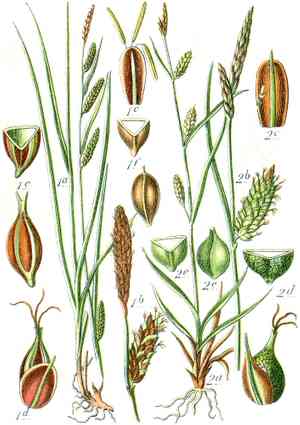
Carex globulifera features clustered, spherical fruits and foliage resembling grass. To ensure peak vitality and aesthetic appeal, trim in early spring or during winter. Eliminate any withered or compromised leaves to stimulate fresh development. Reducing the density of mature stalks can enhance air circulation and lower the probability of illness. Trimming not only preserves the plant's form but also fosters a more robust growth phase and elevates its ornamental value. Always sanitize implements to avert the transmission of pathogens and guarantee precise incisions.
What Are the Benefits of Pruning Roundfruit Sedge?
What Are the Benefits of Pruning Roundfruit Sedge?
Trimming roundfruit sedge encourages robust development, maintains its form, prevents congestion, lowers disease risk, and fosters healthier growth, ensuring a more appealing and well-kept landscape.
What Is the Best Time for Pruning Roundfruit Sedge?
What Is the Best Time for Pruning Roundfruit Sedge?
Pruning roundfruit sedge in early spring and winter is ideal as these periods coincide with the plant's dormant state, reducing stress and promoting vigorous growth. During winter, the plant's growth slows, lessening disease risk. Early spring pruning helps shape the plant before the new growth season, directing energy to strong new shoots. Avoiding pruning during active growth prevents interference with flowering or fruiting.
What Tools Do I Need to Prune Roundfruit Sedge?
Hand Pruners
Hand pruners are perfect for roundfruit sedge due to their accuracy and ease of use, allowing gardeners to trim leaves without harming the complex growth patterns.
Hedge Shears
Hedge shears are effective for shaping and maintaining the overall structure of roundfruit sedge, enabling consistent cutting of multiple stalks simultaneously, which is efficient for managing large clumps.
Grass Shears
Grass shears are specifically designed for trimming grasses, making them excellent for detailed work around the base of roundfruit sedge, ensuring a neat and tidy appearance.
How to Prune Roundfruit Sedge
Identify
Inspect roundfruit sedge thoroughly to locate any diseased or withered leaves that require removal.
Prepare
Gather appropriate tools such as sanitized pruning shears to ensure a clean and disease-free cut.
Remove diseased
Carefully cut off any diseased leaves close to their base, ensuring to cut into healthy tissue to prevent the disease from spreading.
Remove withered
Trim away withered leaves by cutting them as close to their attachment point as possible without damaging nearby healthy growth.
Dispose
Properly discard all removed plant material to prevent potential diseases from returning to roundfruit sedge.
Common Pruning Mistakes with Roundfruit Sedge
Over-pruning
Removing too much foliage can stress roundfruit sedge, reducing its ability to photosynthesize effectively, which can lead to weakened growth.
Poor timing
Pruning at inappropriate times can disrupt roundfruit sedge's natural growth cycle, potentially harming the plant rather than helping it.
Improper tools
Using dull or dirty tools can damage roundfruit sedge and increase the risk of disease or infection.
Neglecting dead material
Failing to remove dead or diseased plant material can encourage pests and disease to spread.
Imprecise cuts
Making ragged or uneven cuts can create entry points for disease and pests, leaving roundfruit sedge vulnerable.
Common Pruning Tips for Roundfruit Sedge
Use sharp tools
Ensure all tools are sharp and clean to make precise cuts that minimize damage to roundfruit sedge.
Remove dead material
Regularly prune away dead, diseased, or damaged stems and foliage to maintain plant health and aesthetic.
Thin out crowded areas
Reduce overcrowding by thinning out the stems. This improves air circulation and light penetration, promoting healthier growth.
Prune selectively
Focus on removing only what is necessary to maintain the shape and health of roundfruit sedge, avoiding excessively aggressive pruning practices.
Steady maintenance
Conduct regular, light pruning sessions rather than infrequent, heavy pruning to keep roundfruit sedge in optimal condition without unnecessary stress.



