How to Transplant Yellow sedge?
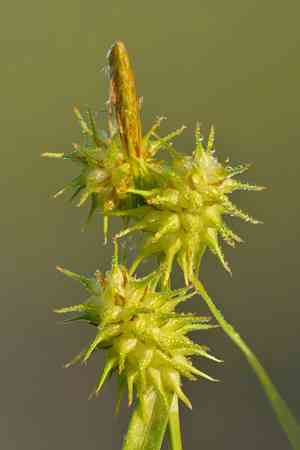
The ideal period for transplanting yellow sedge is from early spring through its peak growth phase, which encourages robust root development. Choose a moist location with partial shade. Careful handling guarantees yellow sedge's successful relocation.
Necessary Preparations Before Relocating Yellow Sedge?
Optimal Period for Moving Yellow Sedge?
The perfect time to move yellow sedge is from early spring until just before summer begins. This period offers mild temperatures and consistent moisture, creating an ideal setting for yellow sedge to establish strong roots without the stress of extreme heat or potential frost. It's a time when the earth is vibrant, promoting rapid growth and health for yellow sedge. Ensuring yellow sedge is moved during this season guarantees a robust start, leading to a flourishing display of green beauty throughout the year.
Required Spacing Between Yellow Sedge Plants?
When preparing to re-home your yellow sedge, remember to provide ample room for development. Position them approximately 6-8 inches (15-20 cm) apart. This spacing allows them sufficient area to thrive without becoming overcrowded.
Best Soil Mixture for Yellow Sedge Relocation?
Before your yellow sedge can settle in, ensure the soil composition is suitable. They prefer well-drained soil with some added texture, so incorporating sand would be beneficial. A light application of balanced, slow-release fertilizer will give them a good start.
Recommended Location for Your Yellow Sedge?
Your yellow sedge will flourish in a spot with a balanced mix of sun and shade. Select a garden area that receives partial sunlight, ensuring they benefit from the sun's warmth without excessive exposure.
Equipment to Prepare Before Transplanting Yellow Sedge?
Gardening Gloves
To safeguard your hands while handling soil and plants.
Shovel or Spade
For excavating the plant from its original spot without harming the root ball.
Garden Fork
To loosen the soil surrounding the plant, facilitating its removal from the ground.
Trowel
For precise digging, especially when moving plants from containers or seedling trays.
Watering Can or Hose
To hydrate the plant before extraction and after replanting.
Wheelbarrow or Garden Cart
To transport the yellow sedge to its new site.
Pruning Shears
To trim any damaged roots or foliage prior to transplanting.
How to Extract Yellow Sedge from the Soil?
How to Extract Yellow Sedge from the Soil?
From Ground: First, thoroughly water the yellow sedge to soften the soil. Use a shovel or spade to carefully dig around the plant, maintaining a generous distance to avoid root damage. Insert the tool deeper as you circle the plant to free the root ball, then gently lift it from the soil.From Pot: Water the yellow sedge and allow drainage. Turn the pot sideways and gently tap it to loosen the plant. Use your hands to support the plant as you carefully slide it out of the pot.From Seedling Tray: Moisten the soil in the tray to ease seedling removal. Use a trowel or your fingers to gently lift the seedling, ensuring as much of the root system and soil remain intact as possible.
Step-by-Step Guide for Relocating Yellow Sedge
Initial Watering
Water the yellow sedge's soil before beginning, to lessen root shock.
Excavation
Dig a hole in the ground that is twice as wide and the same depth as the yellow sedge's root ball.
Root Ball Handling
Carefully manage the root ball to keep it intact when placing the yellow sedge into the new hole.
Positioning
Place the yellow sedge in the center of the hole, ensuring it sits at the same soil level as before.
Backfilling
Gradually fill the area around the root ball with soil, gently pressing down to eliminate air pockets.
Immediate Hydration
Water the yellow sedge right after transplanting to settle the soil and hydrate the roots.
Support
Add support if needed by staking the yellow sedge, particularly if it's a taller variety or in a windy spot.
Post-Transplanting Care for Yellow Sedge?
Mulching
Apply a layer of mulch around the base of the yellow sedge to help retain moisture and stabilize soil temperature.
Consistent Watering
Irrigate the yellow sedge regularly to maintain soil moisture, especially during the initial weeks of establishment.
Observation
Monitor the yellow sedge for indications of stress, such as wilting leaves or discoloration, and address their needs promptly.
Protection
Provide shade or wind protection if the yellow sedge is in a particularly exposed location until it is more established.
Resolving Common Issues with Yellow Sedge Relocation.
When is the best time to move yellow sedge?
Relocate yellow sedge in early to late spring, providing an excellent start for root development before summer.
What spacing is ideal for yellow sedge when moving?
Space yellow sedge 15-20 cm (6-8 inches) apart to ensure sufficient room for growth.
How deep should I plant yellow sedge during relocation?
Set yellow sedge at the same depth it was growing previously, typically not exceeding 3 inches (7.6 cm).
Should I water yellow sedge immediately after moving?
Yes, water yellow sedge thoroughly after relocation to help settle the soil and remove air pockets.
How much sunlight does yellow sedge need after moving?
Yellow sedge thrives in both full sun and partial shade; ensure it receives at least 4 hours of sunlight daily.
What type of soil is best for moving yellow sedge?
Yellow sedge prefers moist, well-draining soil. Amending with organic matter can improve soil quality.
How do I prepare the relocation site for yellow sedge?
Clear weeds, cultivate the soil to a fine texture, and incorporate compost before planting yellow sedge.
Can I fertilize yellow sedge immediately after moving?
Wait a few weeks before applying a balanced fertilizer to allow yellow sedge to acclimate.
What should I do if yellow sedge's leaves wilt after moving?
Provide shade and keep the soil moist. Wilting should subside as yellow sedge adjusts.
How can I protect yellow sedge from pests after moving?
Regularly check for pests and apply appropriate measures promptly to keep yellow sedge healthy.



