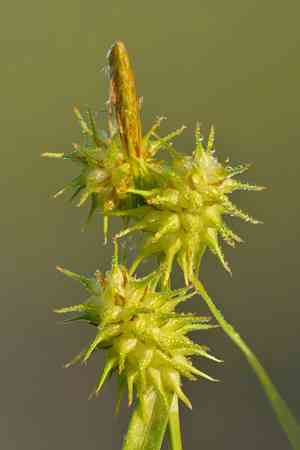
Yellow sedge (Carex flava)
Also known as: Yellow-green sedge
The plant you're describing is likely Carex flava, commonly known as yellow sedge. This North American native thrives in wetlands and is distinguished by its yellow seed coverings. It typically grows in meadows, hills, and along the shores of lakes and streams.
In This Article
Attributes of Yellow sedge
Lifespan
Perennial
Plant Type
Grass
Plant Height
10 cm to 76 cm
Spread
N/A
Leaf Color
Green
Flower Size
N/A
Flower Color
N/A (seed heads are yellow)
Images of Yellow sedge
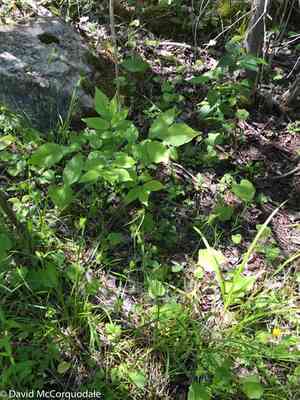
Quickly Identify Yellow sedge
1
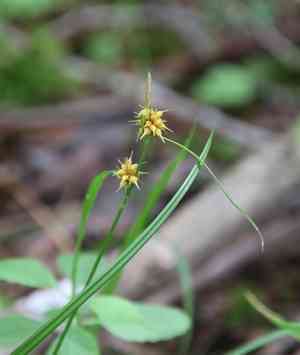
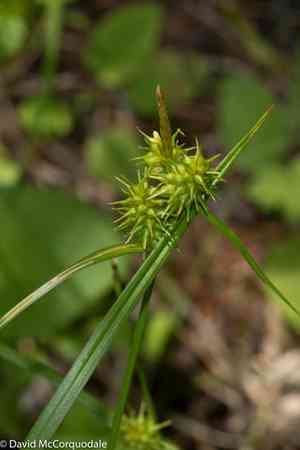
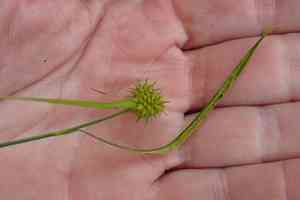
Carex flava can be identified by its bright yellow seed heads, triangular stems, and long, narrow leaves. The plant typically grows in clusters and prefers wet, nutrient-rich soils.
Scientific Classification of Yellow sedge
Phylum
Vascular plants
Class
Monocotyledons
Order
Poales
Family
Sedge
Genus
True sedges
Species
Yellow sedge
Planting and Growing of Yellow sedge
Care Difficulty
Hard
Watering Schedule
Every 4 days
Sunlight Requirements
Partial sun
Sunshine Duration
4-6 hours
Ideal Temperature
50-60℉
Soil Type
Potting Mix, Peat Mix
Soil pH
6.5-7.5
Fertilizer Type
Balanced
Pruning Season
Spring, Summer
Pruning Area
Branches, Leaves
Pruning Frequency
2 times a year
Repotting Season
Spring
Pot Type
Plastic, Ceramic
 How to Water Yellow sedge?
To determine the watering amount for Carex flava, water should be sufficient to keep the soil consistently moist but not soggy. One key principle is to ensure water penetrates deeply to reach the roots, typically requiring about 200 milliliters per watering session.
What are the symptoms of an underwatered Yellow sedge?
›
What should I do if my Yellow sedge is not getting enough water?
›
What are the symptoms of an overwatered Yellow sedge?
›
How to save an overwatered Yellow sedge?
›
 What Are the Sunlight Requirements for Yellow sedge?
Partial sun is the ideal light range, ensuring Carex flava receives adequate illumination without harsh direct sunlight. Such conditions bolster photosynthesis and prevent leaf desiccation.
More About Sunlight Requirements Techniques→
What is the best light level for Carex flava?
›
How can I achieve the ideal lighting for this plant?
›
What are the benefits of providing ideal lighting conditions?
›
 What Is the Ideal Temperature Range for Yellow sedge?
The ideal temperature range for the growth of Carex flava is between 50°F and 60°F. This range allows the plant to perform photosynthesis effectively while maintaining optimal metabolic activities. During these temperatures, nutrient uptake and water absorption are more efficient, contributing to overall healthy growth.
 What Soil is Best for Yellow sedge?
Carex flava thrives in soils that retain moisture well, which supports its growth by providing a consistent water source. Moist soils ensure that the plant remains healthy and vibrant, particularly during dry spells. This plant prefers soils rich in organic matter, which supply essential nutrients that promote vigorous leaf and root development. Nutrient-dense soils provide the building blocks for robust growth and resilience. Well-drained soils prevent waterlogging, which can be detrimental to Carex flava. Good drainage ensures that the roots have sufficient air space and that excess water can escape, promoting better plant health.
 How to Fertilize Yellow sedge?
For Carex flava, applying too much fertilizer can be detrimental, while too little can stunt its growth. Use a balanced, water-diluted 20-20-20 liquid fertilizer, applying approximately 200 ml per plant per application to ensure optimal growth without overwhelming the roots.
 How to Prune Yellow sedge?
Start by examining the Carex flava for any dead or damaged leaves and stems. These are typically brown or yellow and can be easily pulled away from the base. Using pruning shears, cut down to the healthy part of the plant. This encourages growth in healthier sections by removing unnecessary growth. Carex flava can become quite dense. To thin out, select the taller, thicker stems for cutting. Cut these down to the base, ensuring the inner parts of the plant can get more light and air circulation. This promotes a healthier overall environment for the plant. To maintain an aesthetic shape, trim the Carex flava back to your desired height. This can be done by making clean cuts at a slight angle using sharp scissors or shears. This helps prevent the plant from becoming too sprawling and keeps its ornamental appeal.,
More About Pruning Techniques→
 How to Propagate Yellow sedge plant?
1
Collect seeds from mature Carex flava plants. Ensure seeds are clean and dry. Fill a seed tray with a well-draining potting mix, then lightly press seeds into the soil surface. Cover with a thin layer of soil and water gently.
2
Carex flava can be divided by removing mature clumps from the ground using a spade. Carefully separate them into smaller sections, ensuring each has sufficient roots. Replant the divisions in prepared ground or pots with ample water.
3
Replant the divided sections of Carex flava into a suitable location with adequate sunlight and moisture. Space them adequately to avoid overcrowding and improve healthy growth. Water immediately after planting to establish them in the soil.
 How to Repot Yellow sedge plant?
1
Repot Carex flava when you notice the roots start protruding from the pot's drainage holes or when the soil becomes compacted and doesn't retain water effectively. This usually happens every 2-3 years, but you should also watch for yellowing leaves which might signal it's time for a bigger home.
2
Select a pot that's about 2 inches wider in diameter than the current one. Ceramic or plastic both work well, but ensure it has sufficient drain holes to prevent waterlogging, providing a stable environment to support healthy root development and preventing root rot.
3
Opt for soil that mimics its natural moist conditions: a mixture of peat moss, perlite, and a bit of sand. This combination ensures well-drained yet moisture-retentive soil that supports Carex flava's growth, helping maintain essential nutrients and proper hydration.



