How to Prune Yellow sedge?
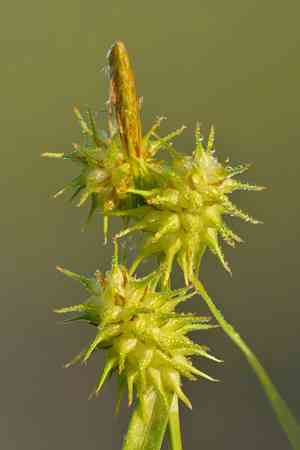
This enduring grass-like variety flourishes in moist environments. Trim 'yellow sedge' during late winter or early spring, prior to the onset of new development. Eliminate deceased or discolored foliage by severing it near the ground level to preserve its visual appeal and foster robust growth. Cutting back spent flower stalks boosts the plant's vitality and look. Regular trimming also manages its expansion in cultivated areas, preventing 'yellow sedge' from dominating more delicate flora. Always employ sanitized, keen implements to avert the spread of pathogens.
What Are the Benefits of Pruning Yellow Sedge?
What Are the Benefits of Pruning Yellow Sedge?
Trimming yellow sedge promotes robust development and maintains its desired form, ensuring a neat look and fostering healthier foliage by improving light penetration and air circulation within the plant's structure.
What Is the Best Time for Pruning Yellow Sedge?
What Is the Best Time for Pruning Yellow Sedge?
Trimming yellow sedge in early spring coincides with the end of its dormant phase and just before new growth begins, allowing gardeners to shape the plant and remove any winter damage without hindering its natural growth cycle. Winter pruning is also beneficial; once yellow sedge has entered dormancy and its growth has ceased, gardeners can focus on structural upkeep without risking harm to new shoots or disrupting yellow sedge's flowering, which typically occurs from late spring to summer. These periods ensure the health and vitality of yellow sedge, enabling it to flourish and retain its desired form in the garden.
What Tools Do I Need to Prune Yellow Sedge?
Hand Pruners
Hand pruners, also known as secateurs, are perfect for cutting through the individual grass-like blades of yellow sedge. Their precise cutting action allows for careful trimming without harming adjacent foliage.
Grass Shears
Grass shears are useful for snipping off spent flower stalks near the base and tidying up edges. This tool is particularly well-suited for yellow sedge due to its specific growth habit, which may require localized trimming.
Long-Handled Pruning Shears
For larger areas or when working on extensive plantings of yellow sedge, long-handled pruning shears help to reach the plant's center without needing to bend down, thereby simplifying the pruning process.
Garden Scissors
Garden scissors with sharp blades can cut through the softer, finer textures of yellow sedge's foliage with precision, making them suitable for delicate trimming and maintenance tasks.
How to Prune Yellow Sedge
Clean tools
Sanitize pruning shears with alcohol or a bleach solution to prevent the spread of diseases.
Identify
Examine yellow sedge and pinpoint diseased or withered leaves that require removal.
Cut diseased
Carefully snip off diseased leaves at the base without harming new buds or healthy tissue.
Cut withered
Remove withered leaves by cutting at the base to encourage new growth and improve air circulation.
Dispose
Discard the removed leaves in a manner that prevents any disease from spreading to healthy plants.
Common Pruning Mistakes with Yellow Sedge
Over-pruning
Removing too much foliage from yellow sedge can weaken the plant, as it relies on its leaves for photosynthesis.
Using dull or dirty tools
Pruning yellow sedge with dull or unclean tools can cause ragged cuts and introduce disease, negatively impacting the plant's health.
Pruning too late in the season
Yellow sedge may not recover well if pruned too late, which can affect its vigor and growth in the subsequent season.
Not pruning at all
Neglecting to prune yellow sedge can lead to dense growth that prevents light and air from reaching the plant's base, which can compromise its health.
Uneven pruning
Pruning yellow sedge unevenly can result in a lopsided or aesthetically unappealing appearance and can also affect its growth pattern.
Common Pruning Tips for Yellow Sedge
Sharp clean tools
Always use sharp and clean tools to make precise cuts on yellow sedge, which helps to prevent damage and disease.
Remove dead or damaged leaves
Cutting away dead or damaged leaves from yellow sedge promotes healthy growth and reduces the risk of disease.
Thin out crowded areas
Thinning out crowded areas of yellow sedge ensures that light and air can circulate to the plant's base, maintaining its health and vigor.
Maintain natural shape
When pruning yellow sedge, aim to preserve its natural shape for a visually pleasing result and to support its natural growth habit.
Light pruning
Opt for light pruning when shaping yellow sedge, as aggressive cutting back can lead to stress and poor plant performance.



