How to Transplant Emory's sedge?
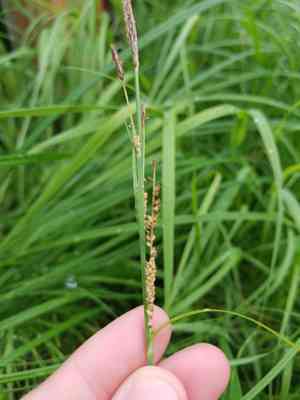
Emory's sedge flourishes when relocated in the initial to middle part of spring, as the ground is damp and temperatures are mild. Position it in a location receiving full sun or partial shade, with consistently moist, adequately draining earth for optimal growth.
What Preparations are Needed Before Transplanting Emory's Sedge?
What is the Ideal Time for Transplanting Emory's Sedge?
Emory's sedge is best moved during the active growth phase of early to mid-spring. This timing allows the plant to establish its root system before summer's heat. Transplanting then ensures emory's sedge benefits from optimal soil moisture and mild temperatures, promoting strong growth and reducing shock.
How Much Space Should You Leave Between Emory's Sedge Plants?
When preparing to relocate emory's sedge, position each plant approximately 12-18 inches (30-46 cm) apart. This spacing provides ample room for them to develop and spread comfortably.
What is the Best Soil Mix for Emory's Sedge Transplanting?
Prepare the soil for emory's sedge by ensuring it drains well and is rich in organic material. Incorporating a balanced base fertilizer before transplanting will give emory's sedge an excellent start.
Where Should You Relocate Your Emory's Sedge?
Select a location with full sun to partial shade for transplanting emory's sedge. They thrive with about 4-6 hours of daily sunlight. Ensure the chosen area is not prone to water accumulation.
What Equipments Should You Prepare Before Transplantation Emory's Sedge?
Gardening Gloves
To safeguard your hands while handling soil and plants.
Shovel or Spade
For excavating around the plant and creating a new hole at the destination.
Garden Trowel
Useful for working in confined areas and refining your planting spot.
Watering Can or Hose
To supply water for both the plant and the newly dug planting hole.
Wheelbarrow
For moving the plant if it's large or if you have multiple plants to relocate.
Mulch
To aid in moisture retention and protect the plant's roots post-transplant.
How Do You Remove Emory's Sedge from the Soil?
How Do You Remove Emory's Sedge from the Soil?
From Ground: First, hydrate the emory's sedge plant to moisten the soil. Next, dig a wide trench around the plant using a shovel or spade, ensuring the plant's root ball remains intact. Carefully work the spade beneath the root ball to lift the plant from its original spot.From Pot: Water the emory's sedge plant thoroughly. Then, gently tilt the pot sideways and tap its bottom to loosen the root ball. Hold the plant at its base and carefully slide it out of the pot, keeping the root ball whole.From Seedling Tray: Dampen the soil in the tray. Use a garden trowel or your fingers to carefully lift the emory's sedge seedlings, making sure to extract the entire root system. Handle the seedlings by their leaves to avoid damaging the delicate stems and roots.
Step-by-Step Guide for Transplanting Emory's Sedge
Preparation
Prepare the new planting site by digging a hole that is twice as wide and slightly deeper than the emory's sedge's root ball. This allows roots to spread and settle more easily.
Transplanting
Place the emory's sedge in the hole, ensuring the top of the root ball is level with the surrounding soil. Fill the hole with soil, gently pressing down to remove air pockets, and water thoroughly to help the soil settle around the roots.
Mulching
Apply a layer of mulch around the base of the emory's sedge, but keep it a few inches away from the stem to prevent rot. Mulch helps retain moisture and moderates soil temperature.
Watering
Water the transplanted emory's sedge generously immediately after planting to help reduce transplant shock and encourage the roots to establish.
How Do You Care For Emory's Sedge After Transplanting?
Watering
Keep the soil around the emory's sedge consistently moist, but not waterlogged, for the initial weeks after transplanting to aid in establishing strong roots.
Monitoring
Observe the emory's sedge for indications of stress, such as wilting or yellowing leaves, and adjust care as necessary. This might involve providing more water or shading the plant during extremely hot periods.
Mulch Maintenance
Check the mulch regularly and replenish it if needed to maintain a consistent layer for moisture retention.
Pruning
If the emory's sedge exhibits signs of stress, you can trim back some foliage to lessen the demand on the roots and help the plant recover more quickly.
Troubleshooting Common Issues with Emory's Sedge Transplantation.
When is the best time to transplant emory's sedge?
The optimal time to transplant emory's sedge is in early to mid-spring for best outcomes.
How much space should be left between each emory's sedge?
Space each emory's sedge 12-18 inches (30-45 cm) apart to ensure healthy growth.
What type of soil is ideal for transplanting emory's sedge?
Emory's sedge thrives in well-draining, loamy soil rich in organic matter for optimal growth.
How much water does emory's sedge need after transplanting?
Water emory's sedge thoroughly after transplanting and keep the soil consistently moist but not waterlogged.
Why are my transplanted emory's sedge leaves turning yellow?
Yellowing leaves can indicate overwatering or poor drainage. Ensure soil drains well and adjust watering.
What should I do if emory's sedge looks wilted after transplanting?
Wilting can be due to transplant shock. Water adequately and provide some shade until it recovers.
How deep should I plant emory's sedge during transplanting?
Plant emory's sedge at the same depth it was growing previously, ensuring the roots are covered.
Can I transplant emory's sedge in the fall?
It's best to transplant emory's sedge in early to mid-spring, but fall can be a secondary option.
Should I fertilize emory's sedge immediately after transplanting?
Avoid fertilizing newly transplanted emory's sedge immediately. Wait a few weeks, then use a balanced fertilizer.
How do I prepare emory's sedge roots for transplanting?
Gently tease apart any tangled roots of emory's sedge and trim any damaged sections before planting.



