
Emory's sedge (Carex emoryi)
Also known as: Emory's Sedge
Carex emoryi is commonly found along riverbanks and stream edges, as well as on sand and gravel bars within streams. It primarily spreads through underground rhizomes, enabling it to form extensive colonies. Additionally, it is occasionally planted in retention ponds to help prevent erosion and reduce shoreline maintenance.
In This Article
Attributes of Emory's sedge
Lifespan
Perennial
Plant Type
Grass
Plant Height
30 cm to 1.02 m
Spread
0.3 - 0.5 meters
Leaf Color
Green
Flower Size
Small, typically less than 1 cm
Flower Color
White Yellow Brown
Images of Emory's sedge
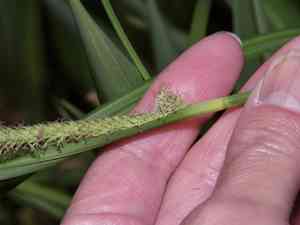

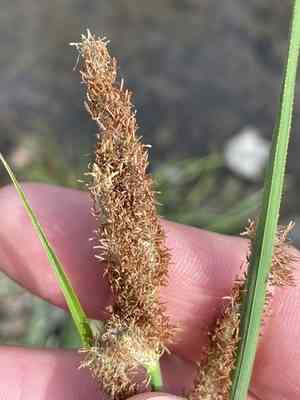
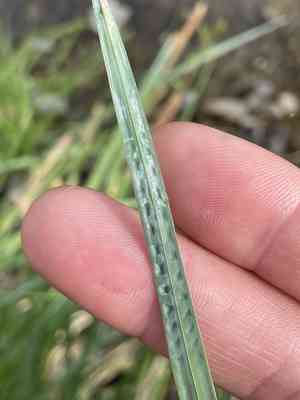
Quickly Identify Emory's sedge
1
Look for clusters of long, narrow leaves with a rough texture and flower spikes that are usually brownish in color. The plant forms dense clumps and prefers moist to wet soil conditions.
Scientific Classification of Emory's sedge
Phylum
Vascular plants
Class
Monocotyledons
Order
Poales
Family
Sedge
Genus
True sedges
Species
Emory's sedge
Planting and Growing of Emory's sedge
Care Difficulty
Moderate
Watering Schedule
Every 3 days
Sunlight Requirements
Partial sun
Sunshine Duration
6-10 hours
Ideal Temperature
60-75℉
Soil Type
Potting Mix, Peat Mix
Soil pH
6.5-7.5
Fertilizer Type
Balanced
Pruning Season
Spring, Summer
Pruning Area
Branches, Leaves
Pruning Frequency
2 times a year
Repotting Season
Spring
Pot Type
Plastic, Ceramic
 How to Water Emory's sedge?
For Carex emoryi, the watering amount should be approximately 500 milliliters per session. This volume ensures that the soil is evenly moistened throughout, without oversaturating it. The idea is to let the water soak in until it drains out of the bottom of the pot, indicating the soil has reached its capacity without being waterlogged.
What are the symptoms of an underwatered Emory's sedge?
›
What should I do if my Emory's sedge is not getting enough water?
›
What are the symptoms of an overwatered Emory's sedge?
›
How to save an overwatered Emory's sedge?
›
 What Are the Sunlight Requirements for Emory's sedge?
Store in a spot with partial sun to ensure optimal growth. This range allows for good photosynthesis without risking leaf damage from excessive sunlight.
What are the ideal lighting conditions?
›
How can you achieve ideal lighting conditions?
›
What benefits does ideal lighting offer?
›
 What Is the Ideal Temperature Range for Emory's sedge?
The optimal growth temperature for Carex emoryi falls between 60°F and 75°F. This range ensures optimal metabolic activity and energy efficiency for growth and development. The plant thrives well under these conditions as they closely simulate its natural habitat, allowing for flourishing leaf development and overall plant vitality.
 What Soil is Best for Emory's sedge?
Carex emoryi thrives in soils that retain moisture well. Ensuring adequate moisture helps sustain the plant's growth and encourages lush, green foliage. This plant benefits from soil rich in nutrients, supporting its bright green color and steady growth. Nutrient-dense soil provides essential elements vital for the plant's health. Despite its need for moisture, Carex emoryi prefers soils that are well-draining. This prevents root rot and ensures that the plant can access oxygen, crucial for its development.
 How to Fertilize Emory's sedge?
Carex emoryi, commonly known as Emory's sedge, requires moderate fertilization to thrive. Use approximately 1 teaspoon of a balanced, water-soluble 10-10-10 fertilizer diluted in 1 gallon of water for liquid feedings. For slow-release fertilizers, a single application of 1/4 cup per plant should suffice per session. It's crucial to distribute the fertilizer evenly around the base of the plant to promote uniform nutrient uptake.
 How to Prune Emory's sedge?
Begin by assessing the overall health of the Carex emoryi. Remove any dead or damaged blades to improve air circulation within the clump. Use sharp, clean shears to avoid tearing. Trim back overgrown sections to maintain the desired height and shape, promoting new, vigorous growth. Carex emoryi benefits from trimming faded flowers and seed heads as they appear. This redirects energy back into the plant, enhancing foliage growth. For a fuller look, cut back to 2-3 inches above the soil in late winter or early spring, stimulating fresh regrowth when temperatures warm.
More About Pruning Techniques→
 How to Propagate Emory's sedge plant?
1
Fill seed trays with a well-draining soil mix. Sprinkle Carex emoryi seeds evenly on the surface and cover lightly with soil. Keep the soil consistently moist and place the trays in a warm, bright location to facilitate germination.
2
Gently dig up a mature Carex emoryi plant in early spring. Shake off excess soil and carefully divide the clump into two or more sections, ensuring each has roots and shoots. Replant immediately at the same depth they were growing before.
3
After planting seeds or divisions, water the area thoroughly to settle the soil around the roots. Place the plants in a partially shaded location to reduce transplant shock and help them acclimate to their new environment.
 How to Repot Emory's sedge plant?
1
Signs that Carex emoryi needs repotting include roots protruding out of the drainage holes, reduced growth rate, or the plant becoming overly top-heavy. Spring or early summer is ideal when the plant is in its active growth phase, allowing it to settle into the new pot easily.
2
Choose a pot that is one size larger than the current one. Ensure the pot has ample drainage holes to avoid water logging, which can lead to root rot. Ceramic pots are preferable due to their breathability, allowing excess moisture to evaporate.
3
Opt for well-draining loamy soil enriched with organic matter. This type of soil ensures adequate moisture retention while providing necessary nutrients. The organic content promotes healthy root development, essential for sustained growth after repotting.



