How to Prune Emory's sedge?
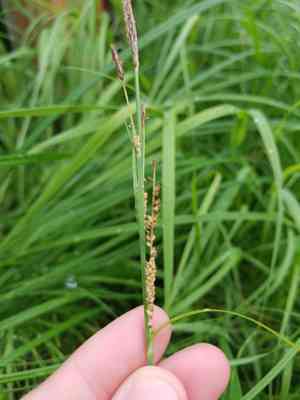
Emory's sedge exhibits lengthy, curving leaves typically found in damp, boggy environments. Trimming should occur in early spring or during winter to eliminate deceased or injured stalks and stimulate fresh development. Sever old, desiccated foliage near the ground level, ensuring healthy, verdant leaves remain intact to sustain vigorous expansion. Performing this maintenance during these seasons aids in controlling the plant's dimensions and improves air circulation, thereby lowering the likelihood of ailments. Regular trimming boosts visual attractiveness and fosters strong growth patterns.
What Are the Benefits of Pruning Emory's Sedge?
What Are the Benefits of Pruning Emory's Sedge?
Emory's sedge thrives with trimming, promoting vigorous growth and maintaining its form. Pruning helps control its size, encourages denser foliage, and prevents overcrowding, resulting in a healthier and more attractive plant.
What Is the Best Time for Pruning Emory's Sedge?
What Is the Best Time for Pruning Emory's Sedge?
Trimming emory's sedge in early spring and winter is ideal because it's best to prune when the plant is dormant or just beginning its growth cycle. Pruning in early spring encourages new growth at the start of the season, leading to a healthier, more robust plant. Winter pruning takes advantage of dormancy, minimizing stress and allowing for better shape control without affecting active growth or flowering.
What Tools Do I Need to Prune Emory's Sedge?
Hand Pruners
Perfect for cutting individual stems or leaves due to their precision and ease of use. This is especially helpful for maintaining the shape and health of emory's sedge.
Shears
Excellent for trimming larger sections and ensuring uniform cuts. They efficiently manage the growth of emory's sedge, particularly in larger clumps.
Manual Grass Clippers
Specifically designed for grasses and sedge, these clippers provide clean cuts and effectively manage density without harming the plant.
Loppers
Useful for cutting thicker or older stems that may be present at the base of emory's sedge. They offer greater leverage and can handle tougher pruning tasks.
How to Prune Emory's Sedge
Select tools
Choose sharp, sanitized pruning shears to ensure clean cuts and prevent disease transmission.
Inspect
Examine emory's sedge to identify any diseased or withered leaves. Look for discoloration, spots, or wilting.
Remove diseased leaves
Carefully cut diseased leaves at their base near the crown of emory's sedge. Ensure you don't damage healthy parts while removing diseased foliage.
Remove withered leaves
Trim withered leaves by cutting them close to their attachment point. Be gentle to avoid pulling at the plant's shoots and roots.
Dispose debris
Collect all pruned plant material and dispose of it properly, away from healthy plants, to prevent disease spread.
Common Pruning Mistakes with Emory's Sedge
Over-pruning
Removing too much foliage at once can stress emory's sedge, making it vulnerable to disease and reducing its overall vitality. It's crucial to avoid removing more than one-third of the plant's foliage at any given time.
Improper cuts
Using dull or unclean tools can damage plant tissue, creating entry points for pests and diseases. Ensure all tools are sharp and sterilized before making any cuts.
Ignoring dead or damaged leaves
Failing to remove dead, damaged, or diseased leaves can lead to the spread of disease and pests, compromising the health of emory's sedge.
Haphazard pruning
Randomly cutting parts of the plant can result in uneven growth and a less appealing appearance. It's essential to have a clear plan and purpose for each cut made.
Common Pruning Tips for Emory's Sedge
Use clean, sharp tools
Always use clean and sharp pruning shears or scissors to make clean cuts and avoid tearing plant tissue, which can invite disease.
Remove dead and damaged foliage
Regularly inspect emory's sedge for dead or damaged leaves and remove them to maintain plant health and prevent disease spread.
Prune strategically for shape
Focus on removing crossing, weak, or excessively long stems. This helps maintain a tidy shape and encourages robust new growth.
Focus on thinning rather than shearing
Avoid shearing the plant. Instead, thin it selectively by cutting at the base of undesired stems. This method promotes better air circulation and light penetration, crucial for healthy growth.



