How to Transplant Needleleaf sedge?
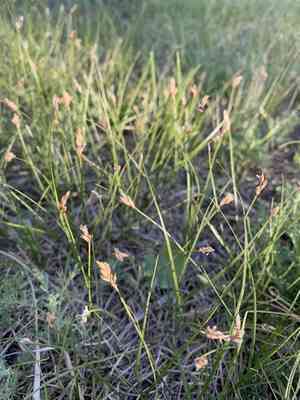
It is most favorable to transplant needleleaf sedge between the early spring thaw and the onset of late spring, or within the refreshing period of late autumn to early winter. Select a location featuring damp, adequately draining earth. Exercise caution; needleleaf sedge flourishes when handled delicately.
Preparations Required Before Relocating Needleleaf Sedge
Optimal Period for Transplanting Needleleaf Sedge?
The prime time to move needleleaf sedge is from early spring to its conclusion, or from late autumn into the start of winter. Shifting needleleaf sedge during these periods takes advantage of the mild climate, which aids root development without the stress of extreme temperatures. A helpful hint: transplanting needleleaf sedge then allows it to flourish, ensuring a strong beginning in spring or sufficient time to settle before winter's dormancy.
Recommended Spacing Between Needleleaf Sedge Plants?
Before placing needleleaf sedge in its new spot, consider providing ample room for each plant to thrive. Aim for approximately 12-18 inches (30-45 cm) apart. This will allow your needleleaf sedges sufficient area to expand and grow comfortably without competing for nutrients!
Best Soil Blend for Needleleaf Sedge Relocation?
To prepare a suitable bed for your needleleaf sedge, combine fertile, well-draining soil with a generous amount of organic compost. This will supply your needleleaf sedge with a nourishing foundation. Incorporate a slow-release fertilizer to encourage robust root growth from the outset.
Where to Replant Your Needleleaf Sedge?
Find a location for your needleleaf sedge that receives the gentle morning sun but is protected from intense afternoon rays. Partial shade will be needleleaf sedge's preferred environment, ensuring it gets just the right amount of sunlight to flourish without suffering sun damage.
Equipment to Prepare Before Transplanting Needleleaf Sedge?
Gardening Gloves
To safeguard your hands while handling soil and plants.
Shovel or Spade
For excavating needleleaf sedge from its original site and preparing the new planting hole.
Garden Fork
To loosen and aerate the soil surrounding the plant's roots.
Pruning Shears
For trimming any dead or excess plant parts prior to transplanting.
Watering Can or Hose
To hydrate needleleaf sedge before and after its relocation.
Wheelbarrow or Garden Cart
To transport needleleaf sedge from one spot to another, if needed.
Mulch
To regulate soil temperature and moisture levels after transplant.
Stakes or Plant Supports
To provide support for needleleaf sedge if required in its new location.
How to Extract Needleleaf Sedge from the Soil?
How to Extract Needleleaf Sedge from the Soil?
From Ground: Start by watering needleleaf sedge to moisten the soil. Carefully dig a wide circle around the plant with a shovel or spade. Slide the tool beneath the root ball to gently lift the plant, preserving as many roots as possible.From Pot: Water needleleaf sedge to facilitate the root ball's removal. Tilt the pot sideways and gently ease the plant out by the base of the stem, avoiding pulling the foliage.From Seedling Tray: Moisten the soil and use a spoon or small implement to lift needleleaf sedge from the cell, ensuring minimal root disturbance.
Step-by-Step Guide for Relocating Needleleaf Sedge
Preparation
Gather all necessary tools previously listed and ensure water is accessible.
Plant Removal
Following the removal procedure, carefully extract needleleaf sedge from its current spot, whether ground, pot, or seedling tray, keeping the root ball intact.
Hole Digging
In the new location, excavate a hole twice as wide and the same depth as the root ball of needleleaf sedge to encourage root expansion.
Root Untangling
Gently inspect the roots and use your fingers or a garden fork to separate them if they are coiled or matted.
Plant Positioning
Place needleleaf sedge in the center of the hole. The top of the root ball should be level with the surrounding soil surface.
Backfilling
Gently refill the soil around the root ball, carefully firming it to eliminate air pockets.
Water Deeply
After planting, thoroughly water needleleaf sedge to settle the soil around the roots and help reduce transplant shock.
Mulch Application
Apply a layer of mulch around the base of needleleaf sedge, but not touching the stem, to conserve moisture and control weeds.
Post-Transplant Care for Needleleaf Sedge
Support
If needleleaf sedge appears unstable, use stakes or plant supports for added stability during its establishment period.
Monitoring
Regularly check needleleaf sedge for signs of transplant shock, such as wilting or discolored leaves, and respond promptly if needed.
Watering Routine
Establish a schedule to keep the soil around needleleaf sedge consistently moist, adjusting based on rainfall and temperature.
Mulch Refresh
Keep the mulch layer replenished to maintain consistent soil conditions, but always clear of needleleaf sedge's stem to prevent rot.
Resolving Common Issues with Needleleaf Sedge Transplantation.
When is the best time to transplant needleleaf sedge?
Relocate needleleaf sedge when temperatures are moderate, typically during the mild periods from early to late spring or the cool spell from late autumn to early winter.
How far apart should needleleaf sedge be spaced when transplanting?
Space each needleleaf sedge approximately 12-18 inches (30-45 cm) apart to allow ample room for growth.
What should I do if needleleaf sedge wilts after transplanting?
Ensure needleleaf sedge receives sufficient water, protection from intense sun, and confirm roots are undamaged or not overly compacted.
Why are the leaves of needleleaf sedge turning yellow after transplanting?
Yellowing can indicate overwatering or inadequate drainage. Check soil moisture levels and adjust irrigation accordingly.
Is it necessary to amend the soil when transplanting needleleaf sedge?
Yes, enriching the planting area with organic matter can foster healthy root establishment and growth for needleleaf sedge.
How deep should I plant needleleaf sedge during transplantation?
The roots of needleleaf sedge should be positioned at the same depth as they were in their previous setting, aligning with the surrounding soil level.
Why is needleleaf sedge not thriving after transplantation?
Investigate if needleleaf sedge is planted at the correct depth, not overwatered, free of pests, and check if the soil quality is adequate.
Can needleleaf sedge be transplanted during the summer?
It is not ideal due to heat stress; if necessary, provide extra care such as shade, water, and ensure the soil remains cool.
How much should I water needleleaf sedge after transplanting?
Keep the soil of needleleaf sedge consistently moist (but not waterlogged) for the initial few weeks until it is established.
Should I use fertilizer right after transplanting needleleaf sedge?
Wait a few weeks after transplanting before applying a mild, balanced fertilizer to avoid damaging the delicate needleleaf sedge roots.



