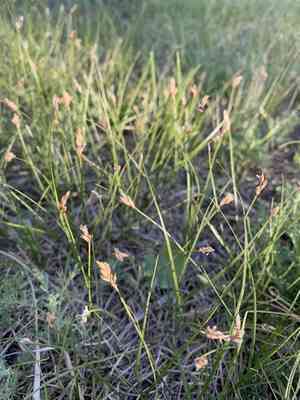
Needleleaf sedge (Carex duriuscula)
Also known as: Needle Sedge, Hay Sedge, Stiff Sedge
Needleleaf sedge (Carex duriuscula) is a perennial native to central and eastern North America. It flourishes in dry, sandy soils and requires full sun for the best growth. This sedge is relatively small, reaching up to 20 cm in height.
In This Article
Attributes of Needleleaf sedge
Lifespan
Perennial
Plant Type
Grass
Plant Height
5 cm to 20 cm
Spread
30 cm
Leaf Color
Green
Flower Size
0.3 cm
Flower Color
Yellow Brown
Images of Needleleaf sedge
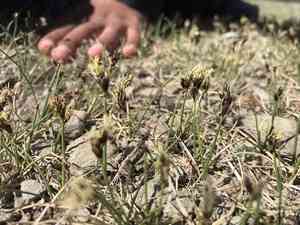
Quickly Identify Needleleaf sedge
1
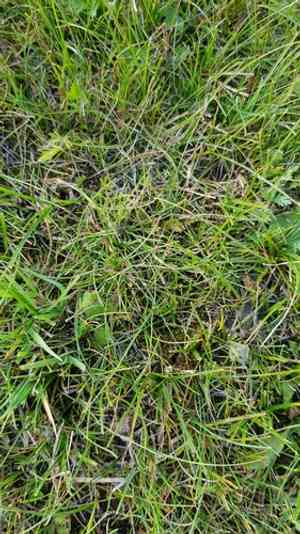
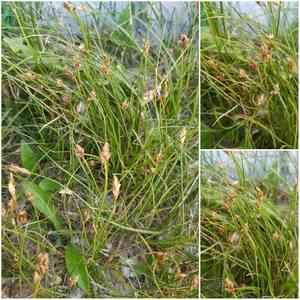
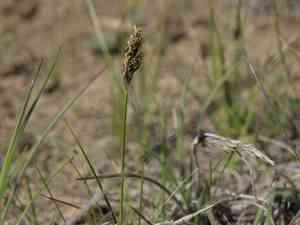
The plant can be identified by its fine, stiff, needle-like leaves and splayed growth habit. It also produces small, inconspicuous flowers on short stems.
Scientific Classification of Needleleaf sedge
Phylum
Vascular plants
Class
Monocotyledons
Order
Poales
Family
Sedge
Genus
True sedges
Species
Needleleaf sedge
Planting and Growing of Needleleaf sedge
Care Difficulty
Easy
Watering Schedule
Every 2 days
Sunlight Requirements
Full sun
Sunshine Duration
4-8 hours
Ideal Temperature
59-77℉
Soil Type
Potting Mix, Peat Mix
Soil pH
6.5-7.5
Fertilizer Type
Balanced
Pruning Season
Spring, Summer
Pruning Area
Branches, Leaves
Pruning Frequency
2 times a year
Repotting Season
Spring
Pot Type
Plastic, Ceramic
 How to Water Needleleaf sedge?
For Carex duriuscula, it's essential to water with around 200 milliliters each time. Ensure the soil is moist but not waterlogged, adhering to the principle of maintaining consistent moisture without letting it dry out completely. This ensures that the plant's roots have adequate moisture without being drowned.
What are the symptoms of an underwatered Needleleaf sedge?
›
What should I do if my Needleleaf sedge is not getting enough water?
›
What are the symptoms of an overwatered Needleleaf sedge?
›
How to save an overwatered Needleleaf sedge?
›
 What Are the Sunlight Requirements for Needleleaf sedge?
Carex duriuscula benefits from full to partial sun, where it can bask in about 6 to 8 hours of sunlight daily. Proper light exposure ensures healthy growth patterns and vibrant foliage.
More About Sunlight Requirements Techniques→
What type of sunlight is best?
›
How can I provide ideal sunlight?
›
What benefits will ideal sunlight bring?
›
 What Is the Ideal Temperature Range for Needleleaf sedge?
Carex duriuscula thrives best in a temperature range of 59°F to 77°F. These temperatures mimic the natural cool to moderately warm climates typical of its native habitats. This range allows the plant optimal photosynthesis, growth, and reproduction activities, ensuring vibrant and healthy foliage.
 What Soil is Best for Needleleaf sedge?
Carex duriuscula thrives best in well-drained soil, allowing excess moisture to escape easily. This reduces the risk of root rot and ensures that the oxygen reaches the roots, promoting healthier plant growth. While not overly demanding, this plant appreciates soil rich in organic matter. Such nutrient-rich soil supports robust growth and ensures the plant maintains its vibrant green color and overall vitality. Even in drier conditions, this plant can benefit from soil that retains just enough moisture without becoming soggy. This balance helps in maintaining consistent hydration, preventing drought stress.
 How to Fertilize Needleleaf sedge?
For Carex duriuscula, a balanced approach to fertilization is ideal. When using a liquid fertilizer, dilute the solution to half its strength, applying approximately 2 liters per square meter. With slow-release fertilizers, distribute about 50 grams per square meter evenly across the root zone.
 How to Prune Needleleaf sedge?
Start by identifying dead or damaged leaves, as these should be removed first. Clip them away near the soil level, being careful not to damage the healthy parts of the plant. For overgrown sections, trim back excess growth to maintain the shape and promote dense regrowth. Avoid cutting too much at once to prevent shock. Pruning is ideally done in spring and autumn, but summer maintenance pruning can also be beneficial. During early spring, focus on clearing the dead foliage to allow new growth space and sunlight. In autumn, reduce the size of the plant but leave some greenery for winter resilience. Regularly assess your plant for any rogue growths that might need attention during the months of active growth.
More About Pruning Techniques→
 How to Propagate Needleleaf sedge plant?
1
To propagate Carex duriuscula by seeds, begin by soaking the seeds in water for 24 hours. This helps to soften the seed coat and promotes germination. Once soaked, plant the seeds in seed trays filled with a well-draining soil mix, ensuring they are spaced evenly.
2
For division propagation, carefully dig around the base of the plant to expose the root ball. Use a sharp spade to divide the root ball into sections, ensuring each section has a good amount of roots and shoots. Replant the divisions immediately in prepared soil.
3
Once seedlings have grown large enough, they should be transplanted to their final location. Gently remove seedlings from seed trays, being careful not to damage the roots. Space them adequately in the garden or container to allow for growth.
 How to Repot Needleleaf sedge plant?
1
Recognize the signals for repotting Carex duriuscula by observing reduced growth, root-bound symptoms, or compacted soil. These indications show it's time for a new pot as they restrict the plant's growth and nutrient absorption, especially evident as spring approaches.
2
Select a pot providing room for root expansion with a marginally larger diameter than the current one. Ensure it has drainage holes for efficient water management. This setup prevents waterlogging that can damage roots and allows the plant to expand comfortably.
3
Opt for well-draining, loamy soil enriched with organic matter. This type of soil helps retain moisture while ensuring excess water drains away, creating a perfect environment for Carex duriuscula to thrive without the risk of root rot.



