The Needleleaf sedge Plant Advantage: Maximizing Home and Office Appeal and Wellness
1
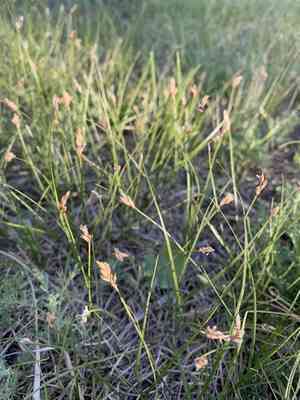
Needleleaf sedge is a long-lived sedge that flourishes in arid, well-drained ground.
2
It is recognized for its hardiness and capacity to stop soil degradation.
3
Needleleaf sedge offers superb living space and sustenance for native fauna.
Why Is Needleleaf sedge Beneficial for Your Garden?
Drought Tolerance and Low Maintenance
A key advantage of Needleleaf sedge is its remarkable drought resistance. This plant flourishes in well-drained soil, making it ideal for gardeners in arid or semi-arid regions. Once established, it needs minimal water, reducing the time and resources required for upkeep. Furthermore, its easy-care nature means you'll spend less effort maintaining it, freeing you for other gardening tasks.
Soil Erosion Control
Needleleaf sedge possesses an extensive root system that helps bind the soil, offering an effective solution for preventing erosion. This characteristic is especially useful in areas with loose or sandy soils susceptible to being washed away by wind or rain. By planting Needleleaf sedge along garden edges or on slopes, you can significantly lower the risk of soil erosion and promote soil health.
Attractive Aesthetic Qualities
The visual appeal of Needleleaf sedge should not be overlooked. Its needle-like foliage creates a distinctive texture that can add character to any garden. Whether utilized as a ground cover or as part of a mixed border, Needleleaf sedge introduces an aesthetic element that improves your garden's overall look. Its subtle green hue and dense growth can also serve as a lovely backdrop for more colorful plants.
Wildlife Habitat Support
Another notable benefit of Needleleaf sedge is its capacity to support local wildlife. Its dense foliage offers excellent cover for small mammals, birds, and beneficial insects. Additionally, its seeds provide a food source for various bird species, making your garden a lively and vibrant ecosystem. By incorporating Needleleaf sedge, you contribute to biodiversity and support local fauna.
Natural Weed Suppression
The dense growth habit of Needleleaf sedge serves a dual purpose by also aiding in weed suppression. The plant's thick, clump-forming roots hinder the growth of undesirable plants, leading to fewer weeds and less time spent on manual weeding. This natural weed control makes Needleleaf sedge an excellent choice for low-maintenance gardening.
Versatility in Landscaping
The adaptability of Needleleaf sedge in landscaping designs is another significant advantage. It can be used in various settings, including rock gardens, borders, and meadows. Its ability to thrive in different soil types and growing conditions makes it a flexible option for a range of garden designs. Whether you aim for a formal or a naturalistic garden, Needleleaf sedge can be seamlessly integrated to achieve your desired look.
How Does Needleleaf sedge Contribute to Environmental Conservation?
Carbon Sequestration
Plants play a vital role in mitigating climate change by absorbing carbon dioxide. Needleleaf sedge effectively captures carbon from the atmosphere and stores it in its roots and soil. This makes it a valuable addition to any eco-friendly garden, helping to reduce your carbon footprint and contribute to global efforts in combating climate change.
Improving Soil Fertility
The extensive root system of Needleleaf sedge not only assists in soil erosion control but also enhances soil fertility. As its roots extend deep into the soil, they facilitate nutrient cycling and improve soil structure. This leads to better water retention and aeration, promoting healthier soil and more robust plant growth. By improving soil fertility, Needleleaf sedge can boost your garden's overall productivity.
Biodiversity Enhancement
Needleleaf sedge supports a diverse array of flora and fauna, contributing to biodiversity in your garden. Its presence can attract various pollinators, such as bees and butterflies, which are crucial for the pollination of many plant species. By fostering biodiversity, Needleleaf sedge helps create a balanced ecosystem that can sustain itself with minimal human intervention.
Water Conservation
Given its drought-tolerant nature, Needleleaf sedge is an excellent choice for water conservation efforts. It requires significantly less water than many other garden plants, which is especially important in areas experiencing water scarcity. By planting Needleleaf sedge, you can create a more sustainable garden that uses water resources efficiently without sacrificing beauty or functionality.
What Are the Practical Uses of Needleleaf sedge in Gardens and Landscaping?
Ground Cover and Erosion Control
Needleleaf sedge is highly effective as a ground cover, particularly in areas prone to erosion. Its dense growth and root system stabilize the soil, preventing runoff and erosion. This makes it an ideal plant for slopes, banks, and other areas where soil erosion is a concern. Additionally, its ground cover ability helps retain soil moisture and maintain stable soil temperature.
Creating Natural Boundaries
The dense foliage of Needleleaf sedge can be used to establish natural boundaries within your garden. Whether you wish to separate different sections of your garden or create a border around a flower bed, Needleleaf sedge offers an attractive and functional solution. Its uniform growth and texture make it suitable for defining spaces without the need for artificial barriers.
Enhancing Pathways and Walkways
Needleleaf sedge can be planted along pathways and walkways to enhance their visual appeal. The plant's delicate, needle-like leaves provide a soft and inviting border that complements the hardscaping elements of your garden. Its low-growing habit also ensures it won't obstruct pathways, making it a practical choice for improving garden routes.



