How to Prune Needleleaf sedge?
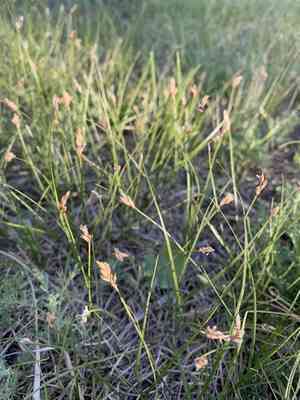
Carex comans, characterized by its slender, grass-like blades, flourishes with little attention but benefits from periodic trimming. Remove any withered or discolored leaves in late winter or early spring to preserve its vigor and appearance. Pruning during its inactive period reduces strain and allows the plant to allocate energy towards fresh development. Consistent elimination of aged foliage can prevent infestations and illnesses, leading to a more flourishing and resilient Carex comans. Always utilize sharp, sanitized implements for accurate incisions.
What Are the Benefits of Pruning Needleleaf Sedge?
What Are the Benefits of Pruning Needleleaf Sedge?
Trimming needleleaf sedge encourages robust new development, ensuring the plant stays compact and well-formed. This management practice is vital for preserving its visual appeal and preventing excessive growth that could hinder its health and vitality.
What Is the Best Time for Pruning Needleleaf Sedge?
What Is the Best Time for Pruning Needleleaf Sedge?
Pruning needleleaf sedge in early spring is optimal as the plant is emerging from dormancy, which stimulates vigorous growth allowing it to recover quickly from pruning. Late winter is also suitable since needleleaf sedge is still dormant, minimizing stress and reducing the likelihood of disease infection. Avoid pruning in late spring and summer when needleleaf sedge is actively growing or when seed heads are developing, which are vital for the plant's reproduction and aesthetic appeal.
What Tools Do I Need to Prune Needleleaf Sedge?
Hand Pruners
Perfect for cutting thin needleleaf sedge leaves and stems, hand pruners or secateurs allow for accurate snips and can easily navigate the grass-like clumps.
Sharp Scissors
For more delicate trimming of needleleaf sedge, sharp scissors are appropriate, especially when dealing with fragile or smaller sections, ensuring a clean cut without harming the plant.
Grass Shears
Designed for grass and sedge-like species, grass shears can effectively trim the dense foliage of needleleaf sedge. Their long blades make it easier to cut at ground level and shape the plant.
Hedge Shears
Needleleaf sedge often grows in thick clumps, so hedge shears can be useful for cutting back large sections of foliage at once, particularly during seasonal cleanup.
How to Prune Needleleaf Sedge
Clean tools
Before pruning needleleaf sedge, sanitize pruning tools with isopropyl alcohol or a 10% bleach solution to prevent the spread of disease.
Identify
Examine needleleaf sedge to identify diseased leaves that may show discoloration, spots, or rot, as well as withered leaves that are brown and dry.
Trim diseased
Using the sterilized pruning shears, carefully remove diseased leaves by cutting at the base of the leaf to avoid damaging the healthy tissue of needleleaf sedge.
Trim withered
Trim withered leaves from needleleaf sedge by cutting them at the plant's base without pulling, to maintain the health and aesthetic of the plant.
Dispose
Collect and dispose of all pruned diseased and withered leaves in a manner that prevents the spread of pests and pathogens.
Common Pruning Mistakes with Needleleaf Sedge
Over pruning
Excessive removal of foliage can stress needleleaf sedge, hindering its growth and resilience.
Cutting too close
Trimming too near the crown or base of needleleaf sedge can harm the plant, making it susceptible to disease and decay.
Removing healthy growth
Mistaking healthy green growth for dead or dying foliage can result in unnecessary thinning, reducing the plant's vigor.
Ignoring dead material
Neglecting to remove dead foliage can deter new growth and make needleleaf sedge susceptible to pests and diseases.
Wrong pruning tools
Using dull or inappropriate tools can crush or tear the needleleaf sedge leaves, leading to unhealthy growth patterns.
Common Pruning Tips for Needleleaf Sedge
Sharp scissors
Use sharp, clean scissors or shears to make precise cuts, minimizing damage and reducing the risk of disease.
Thinning out
Thin out the dense areas of needleleaf sedge to improve air circulation, helping to prevent disease and encourage even growth.
Remove dead material
Regularly remove dead or yellowing leaves at the base to promote healthy new growth and maintain the aesthetic appeal.
Maintain shape
Trim needleleaf sedge to maintain its natural shape, focusing on slight reductions in size and removing any outliers that disrupt the plant's form.
Post bloom pruning
After blooming, selectively prune to remove spent flowers, which will encourage new blooms and maintain the health of needleleaf sedge.



