How to Transplant Distant sedge?
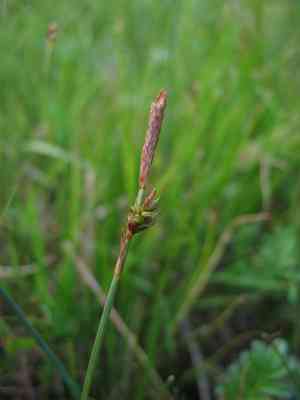
The optimal period for relocating distant sedge is as spring's warmth diminishes and the onset of summer approaches, fostering vigorous development. Select a location featuring damp, adequately drained earth. To achieve favorable results, confirm that the root system remains intact and the surrounding ground is devoid of weeds.
What Preparations are Needed Before Transplanting Distant Sedge?
What is the Ideal Time for Transplanting Distant Sedge?
The optimal period to move distant sedge is from late spring to just before mid-summer. This timeframe, marked by increasing growth and rejuvenation, provides distant sedge with the warmth and extended daylight needed for root establishment prior to the intense summer heat. Relocating distant sedge then capitalizes on the season's mild weather, ensuring its success in the new spot with minimal stress, making the transition smooth and beneficial.
How Much Space Should You Leave Between Distant Sedge Plants?
When planning to rehome your distant sedge, aim for a comfortable spacing of approximately 6-12 inches (15-30 cm) between plants. This provides each plant ample room to thrive and expand its root system!
What is the Best Soil Mix for Distant Sedge Transplanting?
Combine a light, well-draining soil with a mild starter fertilizer to provide your distant sedge with the nutrients it requires. A balanced soil will aid its adjustment and promote strong growth in its new location.
Where Should You Relocate Your Distant Sedge?
Select a site for your distant sedge where it can receive partial sunlight, avoiding direct exposure to the harsh midday sun. Morning light or filtered shade will ensure its happiness and encourage robust growth!
What Equipments Should You Prepare Before Transplantation Distant Sedge?
Gardening Gloves
To safeguard your hands while handling soil and plants.
Spade or Shovel
For excavating the plant and preparing the new planting site.
Garden Fork
To assist in loosening soil around the plant's roots without causing excessive damage.
Hand Trowel
Useful for smaller, more delicate tasks, such as refining the planting hole.
Pruning Shears
For trimming any dead or overgrown parts before relocation.
Watering Can or Hose
To hydrate the plant before and after its move.
Wheelbarrow
To transport the plant and soil as necessary.
Mulch
To apply around the plant's base following transplantation.
How Do You Remove Distant Sedge from the Soil?
How Do You Remove Distant Sedge from the Soil?
From Ground: Begin by watering the distant sedge to ensure soil adheres to the roots, minimizing shock. Use a spade or shovel to dig a wide circle around the plant, going deep enough to encompass the root ball. Slide the tools under the root ball to gently lift the distant sedge.From Pot: Water the distant sedge in its container. Invert the pot on its side and gently tap or squeeze to dislodge the plant. Grasp the plant's base and carefully ease it out, supporting the root ball.From Seedling Tray: Moisten the soil in the tray to help roots stay together. Use a hand trowel or your fingers to lift the distant sedge from each cell, keeping as much soil around the roots as possible.
Step-by-Step Guide for Transplanting Distant Sedge
Prep Work
Thoroughly water the distant sedge before starting the transplant to reduce shock and keep the soil intact.
Digging Up
Carefully dig around the distant sedge with a spade, then gently slide it beneath the root ball to lift the plant.
Site Preparation
Excavate a hole in the new location that is twice as wide and as deep as the root ball to allow ample space for root expansion.
Planting
Position the distant sedge into the hole at the same depth it was previously growing. Backfill the hole, gently firming the soil to eliminate air pockets.
Watering In
Water the distant sedge thoroughly after planting to help settle the soil around the roots and encourage recovery from transplant shock.
Mulching
Apply a layer of mulch around the plant to retain moisture and regulate soil temperature.
How Do You Care For Distant Sedge After Transplanting?
Stabilization
Provide support to the distant sedge with stakes if it appears top-heavy or unstable after transplanting to prevent leaning.
Monitoring
Observe the distant sedge for signs of transplant shock, such as wilting or discolored leaves, and address as needed.
Pruning
Trim any damaged or excessively long roots before transplanting and prune dead or damaged foliage after the move.
Troubleshooting Common Issues with Distant Sedge Transplantation.
When's the best time to transplant distant sedge?
The optimal period is late spring to early summer, ensuring warm soil and mild weather for root establishment.
How far apart should I space distant sedge when transplanting?
Space them 6-12 inches (15-30 cm) apart. This provides sufficient room for growth while maintaining a dense appearance.
How deep should I plant distant sedge during transplantation?
Plant distant sedge so that the root ball is level with the soil surface, promoting proper root development and stability.
What should I do if distant sedge wilts after transplanting?
Ensure adequate watering without over-saturation. A wilted distant sedge often indicates thirst or root shock, which typically resolves with consistent care.
Can I transplant distant sedge on a hot, sunny day?
It's best to transplant distant sedge on a cloudy day or in the late afternoon to minimize transplant shock and moisture loss.
What soil type is best for transplanting distant sedge?
Use well-draining soil rich in organic matter. Distant sedge thrives in moist but not waterlogged conditions.
How do I prepare distant sedge for transplanting?
Water distant sedge thoroughly a day before transplanting to ensure the roots are hydrated, easing the transition and reducing shock.
Should I fertilize distant sedge after transplanting?
Wait 4-6 weeks before fertilizing to allow distant sedge to establish its roots in the new location, preventing potential root burn.
How much should I water distant sedge after transplanting?
Keep the soil consistently moist, but not soggy, for the first few weeks. This supports root growth without risking root rot.
What if distant sedge isn't growing after transplantation?
Patience is key! If proper care is given, distant sedge may just be in a dormant phase as it adjusts. Give it time and continue regular maintenance.



