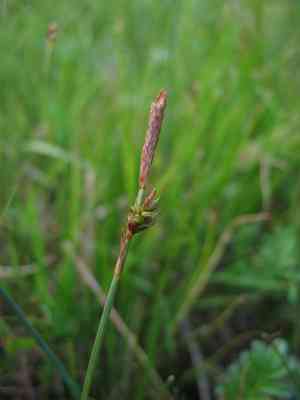
Distant sedge (Carex distans)
Also known as: Distant Sedge
Distant sedge (Carex distans) thrives in moist environments such as coastal marshes, wet meadows, and saline habitats. It can be mistaken for Carex gaudichaudiana, yet they differ notably. Carex distans has shorter rhizomes and is known to spread aggressively in certain areas. Conversely, Carex gaudichaudiana, native to Australia, typically inhabits alpine and subalpine moist grasslands.
In This Article
Attributes of Distant sedge
Lifespan
Perennial
Plant Type
Grass
Plant Height
30-60 cm
Spread
N/A
Leaf Color
Green
Flower Size
Small, around 0.5 cm
Flower Color
Yellow Purple Green Brown
Images of Distant sedge
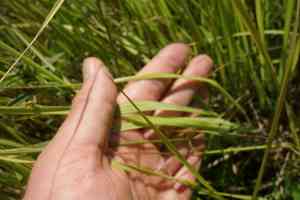
Quickly Identify Distant sedge
1
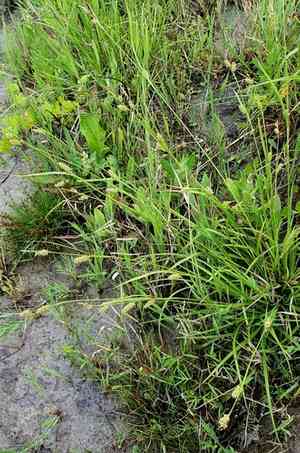
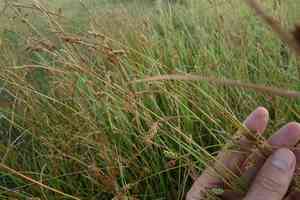
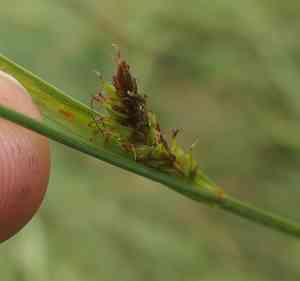
Identify Carex distans by its loosely tufted growth, slender stems, and narrow, arching leaves. Look for its characteristic flower spikes that form a bract-like structure.
Scientific Classification of Distant sedge
Phylum
Vascular plants
Class
Monocotyledons
Order
Poales
Family
Sedge
Genus
True sedges
Species
Distant sedge
Planting and Growing of Distant sedge
Care Difficulty
Easy
Watering Schedule
Every 4 days
Sunlight Requirements
Partial sun
Sunshine Duration
6-10 hours
Ideal Temperature
60-75℉
Soil Type
Potting Mix, Peat Mix
Soil pH
6.5-7.5
Fertilizer Type
Balanced
Pruning Season
Spring, Summer
Pruning Area
Branches, Leaves
Pruning Frequency
2 times a year
Repotting Season
Spring
Pot Type
Plastic, Ceramic
 How to Water Distant sedge?
Watering Carex distans involves giving it about 250ml of water, enough to keep the soil evenly moist without oversaturating. The goal is to mimic its natural wetland habitat, ensuring the top layer of soil doesn't dry out completely, but also avoiding standing water around the roots.
What are the symptoms of an underwatered Distant sedge?
›
What should I do if my Distant sedge is not getting enough water?
›
What are the symptoms of an overwatered Distant sedge?
›
How to save an overwatered Distant sedge?
›
 What Are the Sunlight Requirements for Distant sedge?
Partial sun is ideal for Carex distans, promoting robust health and minimizing leaf scorch risk. Proper lighting ensures lush green foliage and a compact growth habit, enhancing the plant's visual appeal and longevity.
What is the optimal lighting for Carex distans?
›
How can I achieve ideal lighting conditions for Carex distans?
›
What are the benefits of providing ideal lighting to Carex distans?
›
 What Is the Ideal Temperature Range for Distant sedge?
The ideal temperature range for Carex distans to thrive is between 60°F and 75°F. This range provides optimal conditions for growth and health, supporting photosynthesis and nutrient absorption effectively.
 What Soil is Best for Distant sedge?
Carex distans thrives in soil with excellent drainage. Well-draining soil ensures that the plant's roots are not sitting in water, preventing root rot and promoting healthy growth. The plant prefers soil with moderate fertility, which means it requires a balanced distribution of essential nutrients to thrive. This helps the plant to develop lush foliage while avoiding over-fertilization problems. A soil that retains some moisture is ideal for Carex distans. This characteristic ensures that the plant has access to sufficient water without being flooded, supporting its natural habitat needs.
 How to Fertilize Distant sedge?
Carex distans benefits from a balanced approach to fertilization. When using liquid fertilizers, aim for a dilution that provides a moderate nutrient boost without overwhelming the plant's sensitivity to excess nutrients. Typically, 1/2 teaspoon per gallon of water should suffice.
 How to Prune Distant sedge?
Be cautious not to cut back too much at once, as extensive cutting might stress the plant and hinder its growth. Ensure that no more than one-third of the plant is removed in a single session. The blades of Carex distans can be sharp, so wearing gloves during pruning is highly recommended to protect your hands. Additionally, avoid pruning during very dry spells as this can exacerbate stress on the plant.
More About Pruning Techniques→
 How to Propagate Distant sedge plant?
1
Sow Carex distans seeds in a tray filled with a mix of soil and sand for optimal drainage. Lightly cover the seeds with a thin layer of soil and keep them moist but not waterlogged. Ensure the tray receives indirect sunlight and maintains a temperature of around 20°C for ideal germination conditions.
2
To propagate through division, remove the plant from the ground during the early growing season. Use a sharp spade to divide the root ball into smaller, manageable sections. Ensure each section has a healthy root system and replant immediately in a prepared bed or pot.
3
After seeds are sown or divisions are made, provide an initial deep watering. This helps settle the soil around the seeds or new roots, promoting stability and encouraging initial growth. Avoid letting the soil dry out completely between waterings during the first two weeks.
 How to Repot Distant sedge plant?
1
For Carex distans, repotting is best when growth slows or roots become crowded. Signs like roots emerging from drainage holes or soil drying quickly indicate a need for repotting.
2
Select a pot just one size larger to avoid excessive soil moisture. A well-sized pot ensures proper root development and prevents waterlogged roots, which lead to optimal plant health.
3
Opt for loamy, well-draining soil to prevent water stagnation. This type of soil promotes healthy root growth, improves nutrient uptake, and reduces the risk of root rot.



