The Distant sedge Plant Advantage: Maximizing Home and Office Appeal and Wellness
1
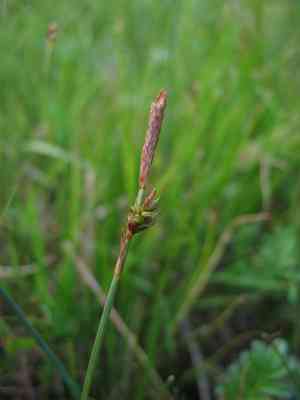
Carex distans is a adaptable plant flourishing in diverse environments.
2
It needs little upkeep, making it perfect for eco-friendly landscaping.
3
This plant aids in enhancing soil composition and preventing soil loss.
What Makes Distant sedge a Beneficial Addition to Your Garden?
Versatility Across Habitats
A key feature of Distant sedge is its ability to adapt to diverse environments. This plant flourishes in various conditions, from wetlands and marshes to meadows. Its capacity to grow in both full sun and partial shade makes it an excellent choice for different landscapes.
Minimal Maintenance Required
Distant sedge is a low-upkeep plant, making it perfect for gardeners aiming for sustainable, easy-to-manage landscapes. This species is robust, needing little watering and fertilizer once established. Its natural resistance to pests and diseases further reduces the need for chemical treatments, fostering a healthier garden ecosystem.
How Does Distant sedge Improve Soil Quality and Reduce Erosion?
Enhancing Soil Structure
The root system of Distant sedge plays a vital role in improving soil quality. Its roots form a network that enhances soil structure, promotes aeration, and increases water absorption. This improved soil health supports better plant growth and lessens the need for extra soil amendments.
Erosion Control
Another significant advantage of Distant sedge is its capacity to lessen soil erosion. The dense root network stabilizes the soil, making it more resistant to erosion caused by water and wind. This erosion control is especially valuable in areas prone to heavy rain or on slopes where soil loss is a frequent concern.
Why is Distant sedge an Excellent Choice for Sustainable Landscaping?
Supporting Local Wildlife
Distant sedge offers crucial habitat and food for local wildlife, including insects, birds, and small mammals. By incorporating this plant into your landscape, you contribute to biodiversity and support the ecological balance in your area.
Reducing Lawn Maintenance
For those seeking to decrease the upkeep of a traditional lawn, Distant sedge provides a practical solution. It can be used as ground cover or instead of turfgrass, significantly cutting down the time and effort needed for mowing, watering, and fertilizing. This shift towards native, low-maintenance plants promotes eco-friendly gardening practices.
How Can Distant sedge Be Incorporated into Various Landscape Designs?
Creating Naturalistic Gardens
Distant sedge is ideal for crafting naturalistic and meadow-style garden designs. Its elegant foliage and growth habit add texture and movement to the landscape, enhancing visual appeal without overwhelming other plantings. It can be combined with wildflowers and other native species to create a harmonious and sustainable garden environment.
Water Feature Integration
Given its preference for moist conditions, Distant sedge is perfect for integrating around water features like ponds, streams, or rain gardens. Its presence not only beautifies these areas but also aids in water purification by filtering pollutants and providing habitat for aquatic wildlife.
What Are the Best Practices for Planting and Caring for Distant sedge?
Optimal Planting Conditions
To ensure successful growth of Distant sedge, choose a planting site with sufficient moisture and well-drained soil. While this plant is adaptable, providing it with favorable conditions during establishment will yield the best results. Consider planting in early spring or fall for optimal growth.
Ongoing Care and Maintenance
Once established, Distant sedge requires minimal care. Regularly check moisture levels, especially during dry periods, to ensure the plants remain healthy. If needed, prune back dead foliage in early spring to encourage new growth. Minimal intervention will allow this hardy plant to thrive, keeping your landscape vibrant and sustainable.



