How to Prune Distant sedge?
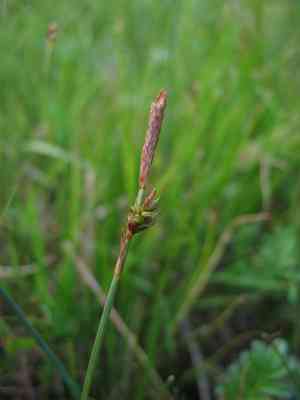
Trim distant sedge during late winter or early spring while it is inactive. Snip off any withered or compromised leaves to preserve the plant's well-being and stimulate fresh development. Eliminate spent flower stalks to deter unwanted self-propagation if preferred. Refrain from aggressive cutting; instead, concentrate on lightly thinning congested clusters for revitalization. Trimming boosts vitality and manages expansion, contributing to a tidy garden aesthetic.
Advantages of Trimming Distant Sedge?
Advantages of Trimming Distant Sedge?
Trimming distant sedge promotes more vigorous development by eliminating old or overgrown leaves, thereby encouraging robust new growth. It also aids in maintaining its desired form and size, enhancing the plant's overall visual appeal.
Optimal Time for Pruning Distant Sedge?
Optimal Time for Pruning Distant Sedge?
Pruning distant sedge is best done in early spring or winter, as these periods coincide with the plant's dormant phase when growth is slow or halted. This timing prevents undue stress on distant sedge and reduces the likelihood of disease infections through pruning wounds. Early spring pruning helps remove winter damage and stimulates healthy growth for the upcoming season. Winter pruning, during dormancy, has less impact on distant sedge's overall health and energy reserves. These seasons also follow the fruiting period, ensuring seed dispersal is not interrupted, preserving species propagation. Pruning at these times supports distant sedge's strong growth and vitality, fostering lush foliage and successful seasonal cycles.
Tools Required for Pruning Distant Sedge?
Hand Pruners
Ideal for snipping and shaping distant sedge foliage, hand pruners offer precise cuts for maintaining desired size and removing dead or damaged leaves.
Grass Shears
Perfect for trimming edges and tight spots, grass shears allow gardeners to easily cut back distant sedge, especially in dense clumps.
Gardening Gloves
Protecting the gardener's hands when handling distant sedge is essential, providing safety against sharp edges and the wet conditions common in sedge habitats.
How to Prune Distant Sedge
Clean tools
Begin by sanitizing pruning tools to prevent disease spread to distant sedge. Use a bleach or alcohol solution to wipe blades before and after use.
Identify
Carefully examine distant sedge to pinpoint diseased or withered leaves. Look for discoloration, spots, or abnormal growth indicating parts that need pruning.
Cut diseased leaves
Using your sterilized pruning tools, carefully snip off diseased leaves from distant sedge at their base where they meet the stem or main clump. Make a clean cut to avoid tearing plant tissue.
Cut withered leaves
Similarly, remove any withered leaves from distant sedge. These are leaves that have turned brown or yellow and no longer contribute to the plant's growth or appearance.
Dispose
Properly discard removed diseased and withered leaves, away from healthy plants, to prevent potential spread of disease or pests to distant sedge or nearby plants.
Common Pruning Errors with Distant Sedge
Over-pruning
Trimming too much foliage from distant sedge can stress the plant, leading to reduced vigor and compromised health. Aim to remove no more than one-third of the growth at a time.
Improper cut angle
Cuts should be angled to allow water runoff, preventing accumulation at the cut site which can cause rot or disease. Horizontal cuts can retain moisture, leading to health issues for distant sedge.
Cutting into old, woody growth
For distant sedge, avoid cutting into thick, woody stems as this part of the plant does not regenerate easily and may not produce new growth.
Ignoring diseased or dead material
Failing to remove dead or diseased foliage during pruning can hinder distant sedge's growth and health, as these parts can harbor pests and diseases.
Not cleaning tools
Not sanitizing pruning tools can spread disease from one plant to another. Always clean tools before moving to another plant, especially after cutting diseased material.
General Pruning Advice for Distant Sedge
Sharp tools
Use sharp, clean shears or scissors for precise cuts, which help distant sedge recover faster and reduce disease risk.
Proper technique
Cut foliage at the base, being careful not to pull or tear leaves, as this can damage distant sedge's root structure.
Thinning
Thin out dense areas to improve air circulation, crucial for preventing mold and pests from affecting distant sedge.
Post-flowering trim
After distant sedge has finished blooming, trim off flower stalks to tidy the plant and stimulate new growth.
Health check
Before pruning, inspect distant sedge for any signs of disease or pests, and address these issues immediately to maintain the plant's good health.



