How to Transplant Lesser panicled sedge?
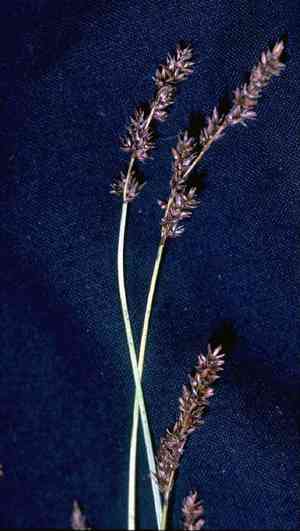
The most favorable period for transplanting lesser panicled sedge extends from the onset of early spring through the conclusion of late spring, allowing roots to firmly anchor prior to the summer season. Choose a location featuring damp, adequately draining earth. Careful manipulation throughout the transfer guarantees a smooth adaptation.
Essential Preparations Before Relocating Lesser Panicled Sedge
Optimal Period for Relocating Lesser Panicled Sedge?
The best time to move lesser panicled sedge is during the revitalizing weeks of early to mid-spring. This timeframe offers an ideal balance of cool soil and increasing sunlight, creating a favorable environment for lesser panicled sedge to establish its root system without enduring summer's harsh extremes. Utilizing this season allows the perennial's roots to settle comfortably, benefiting from moist soil conditions that promote vigorous growth. Choosing this period provides lesser panicled sedge a gentle boost towards resilience before the energetic onset of summer growth.
Recommended Spacing Between Lesser Panicled Sedge Plants?
For your beautiful lesser panicled sedge, aim for a comfortable spacing of approximately 6-12 inches (15-30 cm) between each plant. This ensures ample room for each to flourish without overcrowding.
Ideal Soil Mixture for Lesser Panicled Sedge Relocation?
Lesser panicled sedge thrives in soil that is consistently moist yet drains well. Prior to planting, incorporate some organic compost as a foundational fertilizer to provide a nourishing start.
Preferred Location for Your Lesser Panicled Sedge?
Select a site for your lesser panicled sedge where it will receive partial to full shade. These plants are most content when not exposed to intense, direct sunlight throughout the day, making a location with filtered light perfect.
Equipment Needed Before Relocating Lesser Panicled Sedge
Gardening Gloves
To safeguard your hands while handling soil and plants.
Trowel
For excavating smaller lesser panicled sedge plants or young seedlings.
Shovel or Spade
For digging around and beneath the plant to extract it from the ground.
Watering Can or Hose
To hydrate the lesser panicled sedge plant both before and after its relocation.
Garden Fork
To loosen the soil surrounding the plant's root system.
Wheelbarrow
For transporting the lesser panicled sedge plant and soil to and from the new planting site.
Secateurs or Pruning Shears
For trimming any damaged roots or leaves.
Organic Mulch
To aid in retaining soil moisture post-transplantation.
How to Extract Lesser Panicled Sedge from the Soil?
How to Extract Lesser Panicled Sedge from the Soil?
From Ground: First, water the lesser panicled sedge plant to moisten the soil. Using a shovel or spade, dig a wide circle around the plant, going deep enough to encompass most of its roots. Gently leverage the tool underneath to lift the plant with its root ball.From Pot: Hydrate the lesser panicled sedge plant, then turn the pot on its side and gently tap to dislodge the plant. If it resists, slide a trowel along the pot's inner edge to free the roots. Carefully remove the plant, keeping the root ball intact.From Seedling Tray: Use a trowel or your fingers to carefully separate individual lesser panicled sedge seedlings, ensuring each has a healthy amount of roots attached. Handle the seedling by its leaves rather than its delicate stem to prevent damage.
Detailed Guide for Relocating Lesser Panicled Sedge
Prepare the New Location
Clear the area of weeds, rocks, and debris. Loosen the soil with a garden fork to a depth of approximately 6-12 inches to facilitate easy root spread.
Excavate the Hole
Dig a hole twice as wide as the lesser panicled sedge plant's root ball and of equal depth, ensuring the plant sits at the same level as its original position.
Plant Positioning
Place the lesser panicled sedge plant in the center of the hole, carefully spreading its roots. Backfill the hole with soil, gently firming it around the roots to eliminate air pockets.
Initial Hydration
Water the lesser panicled sedge plant slowly and thoroughly to settle the soil around the roots and hydrate the plant. Ensure water does not accumulate around the stem.
Mulching
Apply a layer of organic mulch around the lesser panicled sedge plant, avoiding direct contact with the stem, to conserve moisture and inhibit weed growth.
Post-Transplantation Care for Lesser Panicled Sedge
Consistent Watering
Maintain a regular watering schedule to keep the soil moist. Adjust frequency based on weather conditions, but prevent overwatering.
Observation
Regularly inspect the lesser panicled sedge plant for any indications of stress or disease. Early detection is crucial for effective intervention.
Pruning Trim
Remove any broken or damaged foliage to prevent disease and encourage healthy development.
Supportive Staking
If the lesser panicled sedge plant is tall or exposed to strong winds, provide a stake for support until it is fully established.
Resolving Common Issues with Lesser Panicled Sedge Relocation.
When is the optimal time to move lesser panicled sedge?
Ideally, transplant lesser panicled sedge in early to late spring, once the ground thaws and warms.
What spacing should I use for lesser panicled sedge during relocation?
Space lesser panicled sedge approximately 6-12 inches (15-30 cm) apart to allow sufficient room for growth.
Which soil conditions promote successful lesser panicled sedge transplantation?
Utilize moist, well-drained soil, rich in organic matter, to foster lesser panicled sedge's root development.
How deep should lesser panicled sedge's roots be planted during relocation?
Plant lesser panicled sedge's roots at their previous depth, ensuring the crown remains at soil level.
What if lesser panicled sedge wilts after being moved?
Ensure adequate watering without waterlogging and provide shade to reduce stress and prevent wilting.
How much water should lesser panicled sedge receive after relocation?
Water deeply to aid root establishment, keeping the soil consistently moist but not saturated.
Is it advisable to move lesser panicled sedge during hot weather?
It's best to avoid transplanting during hot weather; opt for cooler days to minimize transplant shock.
What is transplant shock and how can I reduce it for lesser panicled sedge?
Transplant shock is stress from moving lesser panicled sedge. Minimize it by transplanting swiftly and keeping roots hydrated.
Why are my relocated lesser panicled sedge plants struggling to thrive?
Check for correct planting depth, soil conditions, and moisture levels. Adjust care as necessary.
Should I use fertilizer when relocating lesser panicled sedge?
A mild, balanced fertilizer can assist lesser panicled sedge in establishing, but avoid strong concentrations.



