The Lesser panicled sedge Plant Advantage: Maximizing Home and Office Appeal and Wellness
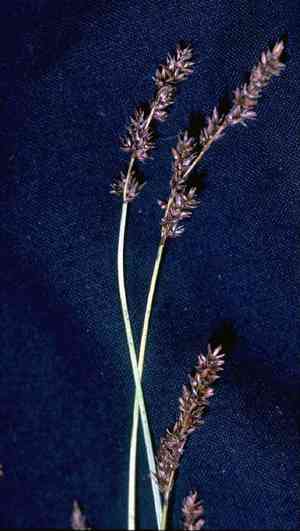
1
This flora thrives in marshy environments, supplying crucial nourishment to the nearby ecological system.
2
It serves a key function in preserving soil by averting its degradation.
3
Beauty contribution: It improves the visual charm of cultivated areas and wild scenery.
What Are the Ecological Benefits of Lesser panicled sedge?
Water Filtration and Hydrology
A key advantage of Lesser panicled sedge is its capacity to enhance water purity. Primarily growing in wetland environments, this plant functions as a natural filter, capturing sediments and absorbing contaminants. This purification process not only aids in cleaning water but also improves the area's overall water management, reducing flood risk and maintaining water levels.
Biodiversity Support
Another ecological benefit is its contribution to biodiversity. Lesser panicled sedge offers a habitat for various wildlife, including birds, insects, and small mammals. The plant's dense root system and tall foliage provide shelter and food sources, fostering a balanced and thriving ecosystem.
How to Properly Plant and Care for Lesser panicled sedge
Ongoing Care
Consistent watering, especially during the plant's initial growth phases, is vital. Once Lesser panicled sedge is established, it needs minimal upkeep beyond occasional trimming of dead or damaged leaves. Mulching can help retain soil moisture and reduce weed competition.
Ideal Growing Conditions
Lesser panicled sedge thrives in wetland conditions but can also adapt to various environments, including moist and shaded areas. It's important to ensure the soil remains consistently damp, particularly during the plant's establishment period.
Planting Techniques
When planting Lesser panicled sedge, dig a hole twice as wide and as deep as the plant's root ball. Space plants approximately 18 inches apart to allow for adequate growth and air circulation. Water thoroughly after planting to help the roots settle.
How Does Lesser panicled sedge Aid in Soil Conservation?
Erosion Control
Lesser panicled sedge is highly effective in preventing soil erosion. Its robust root system stabilizes the soil, especially in areas prone to water runoff. This makes it an excellent choice for planting on slopes, riverbanks, and other vulnerable landscapes, thereby mitigating erosion and maintaining soil health.
Nutrient Cycling
In addition to preventing erosion, Lesser panicled sedge plays a crucial role in nutrient cycling. It absorbs and redistributes essential nutrients in the soil, fostering a fertile environment for other plants to thrive. This nutrient cycling contributes to the overall health of the ecosystem, making it more resilient and productive.
Why Is Lesser panicled sedge Valued for Aesthetics?
Visual Appeal
Lesser panicled sedge is often praised for its aesthetic qualities. Its elegant, arching stems and clusters of small flowers add visual interest to gardens and natural landscapes. Whether used as a focal point in a garden bed or integrated into a wildflower meadow, Lesser panicled sedge enhances the beauty of any setting.
Seasonal Interest
The plant also offers seasonal interest, changing its appearance throughout the year. Its foliage transforms, presenting different colors and textures from spring through fall. This seasonal variability keeps landscapes vibrant and engaging, attracting both human admirers and wildlife year-round.
Can Lesser panicled sedge Be Integrated into Sustainable Landscaping?
Low Maintenance Requirements
One of the reasons Lesser panicled sedge is ideal for sustainable landscaping is its low maintenance requirements. Once established, it requires minimal care, making it a cost-effective option for large-scale planting projects. Its resilience to pests and diseases further adds to its sustainability credentials.
Compatibility with Native Plants
Lesser panicled sedge is highly compatible with other native plants, which is essential for creating balanced and sustainable landscapes. By integrating Lesser panicled sedge into your planting scheme, you can foster a diverse ecosystem that supports local wildlife and promotes ecological balance.



