How to Transplant Buxbaum's sedge?
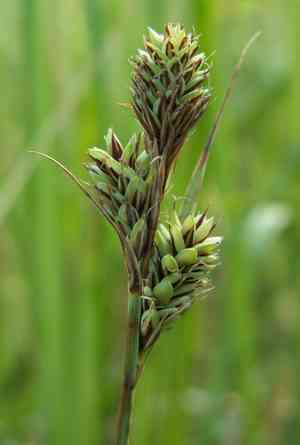
Relocate buxbaum's sedge from late spring through midsummer's warmth, ensuring prime root development. Select a damp, adequately draining location, protecting it from intense sunlight. Careful manipulation of the root system will improve successful re-establishment.
Essential Preparations Before Relocating Buxbaum's Sedge
Optimal Period for Moving Buxbaum's Sedge?
The best time to transfer buxbaum's sedge to a new spot is during its peak growth phase, from late spring through mid-summer. Relocating buxbaum's sedge then allows it to adapt easily to its new surroundings, benefiting from warm soil and extended daylight that promote robust root development. This timing also ensures buxbaum's sedge has sufficient time to establish itself before the colder autumn weather. By transplanting in this season, you provide buxbaum's sedge with an excellent foundation for vigorous growth and health.
Recommended Spacing Between Buxbaum's Sedge Plants?
When planning to rehome buxbaum's sedge in your garden, it's wise to give them ample room to thrive. Aim for a separation of approximately 6-12 inches (15-30 cm). This will ensure they have enough space to develop fully and luxuriantly!
Ideal Soil Blend for Buxbaum's Sedge Relocation?
For buxbaum's sedge, a fertile, well-draining soil will ensure their happiness. Prior to transplanting, incorporate some organic compost to provide a nutritional head-start. A balanced, slow-release fertilizer will also encourage strong growth. Healthy soil leads to thriving buxbaum's sedge!
Optimal Location for Your Buxbaum's Sedge?
Your buxbaum's sedge will flourish in a location that receives abundant sunlight, yet they also appreciate some shade during the hottest part of the day. Therefore, find them a comfortable spot that enjoys partial sunlight, and they will prosper!
Tools Required Before Transplanting Buxbaum's Sedge
Gardening Gloves
To safeguard your hands while handling soil and plants.
Trowel or Shovel
For excavating buxbaum's sedge with minimal root disturbance.
Watering Can or Hose
To hydrate buxbaum's sedge before and after its relocation.
Wheelbarrow or Plant Tray
For moving buxbaum's sedge to its new site.
Garden Fork
To loosen the earth around the plant.
Pruning Shears
To trim any damaged roots or foliage.
Mulch
To aid in retaining soil moisture post-transplant.
Stake or Plant Support
To stabilize buxbaum's sedge if needed.
Method for Extracting Buxbaum's Sedge from the Ground
Method for Extracting Buxbaum's Sedge from the Ground?
From Ground: Thoroughly water buxbaum's sedge beforehand to ensure moist soil, which helps maintain the root ball's integrity. Carefully dig around the plant with a trowel or shovel, extending wide enough to encompass most of the roots. Gently leverage the tool beneath and lift buxbaum's sedge, aiming to keep the root ball as intact as possible.From Pot: Begin by watering buxbaum's sedge to facilitate easier root ball removal. Turn the pot on its side, grasp the plant at its base, and gently tap the bottom and sides of the pot to loosen the soil. Carefully slide buxbaum's sedge out of the pot, being cautious not to pull harshly on stems or leaves.From Seedling Tray: Ensure the soil is damp before starting. Use a spoon or a small stick to gently lift buxbaum's sedge seedling from its cell. Support the root ball to prevent crumbling and handle the young plant with care.
Step-by-Step Guide for Relocating Buxbaum's Sedge
Preparation
Prepare the new planting site for buxbaum's sedge by loosening the soil to a depth of at least 8-10 inches. Clear the area of any weeds or debris.
Digging Hole
Excavate a hole that is twice the width of buxbaum's sedge's root ball and of equal depth to its prior growing conditions, preventing the plant's crown from being buried too deeply.
Plant Positioning
Center buxbaum's sedge within the hole. The top of the root ball should align with the surrounding ground level to promote proper root development.
Backfilling
Gently refill the hole with the excavated soil. Handle buxbaum's sedge's roots with care, spreading them slightly if they are pot-bound. Avoid overly compacting the soil around the roots.
Watering
Thoroughly water buxbaum's sedge after planting to settle the soil and eliminate air pockets. This will also give the plant a strong start in its new location.
Mulching
Apply a layer of mulch around the base of buxbaum's sedge to conserve moisture and reduce weed competition, but avoid piling mulch directly against the stem or foliage.
Post-Transplant Care for Buxbaum's Sedge
Initial Weeks
Regularly check soil moisture and water when the top inch feels dry. Avoid excessive watering, which can lead to root rot.
Pruning
Trim any leaves or stems that sustained damage during the transplanting process, allowing buxbaum's sedge to direct energy towards establishing new roots.
Stabilizing
If buxbaum's sedge appears unstable in its new spot, use the provided plant support to secure it until its root system strengthens.
Observation
Monitor buxbaum's sedge for indications of transplant shock, such as wilted or discolored leaves, and promptly address any stressors to the plant.
Resolving Common Issues with Buxbaum's Sedge Transplantation.
When is the best time to transplant buxbaum's sedge?
Choose late spring to mid-summer to allow buxbaum's sedge time to establish before cold weather.
What spacing should I use for planting buxbaum's sedge?
Space buxbaum's sedge approximately 6-12 inches (15-30 cm) apart to provide ample room for growth.
Why is my buxbaum's sedge wilting after transplant?
Wilting may signal shock. Ensure consistent soil moisture, avoiding both excessive wetness and dryness.
How deep should the hole be for buxbaum's sedge?
The hole should match the root ball's depth and be twice its width.
Can buxbaum's sedge be transplanted on a hot day?
It's preferable to transplant on a cooler, overcast day to minimize stress on buxbaum's sedge.
What type of soil is best for buxbaum's sedge?
Well-draining soil rich in organic matter is ideal for buxbaum's sedge's development.
How much should I water buxbaum's sedge after transplanting?
Water thoroughly post-transplant, then keep the soil moist without overwatering.
Should I fertilize buxbaum's sedge after transplanting?
Wait a few weeks before fertilizing to prevent burning the newly established roots.
How do I protect buxbaum's sedge after transplanting?
Provide shade and shield from strong winds for several days following transplant.
Does buxbaum's sedge require pruning after transplanting?
Immediate pruning is not necessary, but remove dead or damaged foliage to encourage growth.



