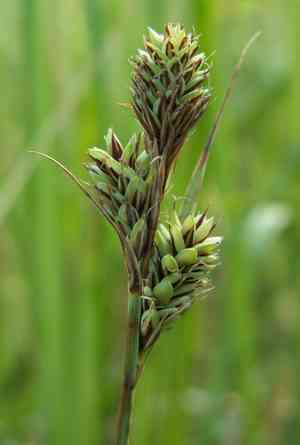
Buxbaum's sedge (Carex buxbaumii)
Also known as: Club sedge
Buxbaum's sedge (Carex buxbaumii) is identifiable by the purplish-brown hue at the base of its leaf sheaths and within the scales of its flower spikes. This sedge favors moist environments, typically flourishing in wetlands such as swamps, marshes, and along shorelines throughout the Northern Hemisphere.
In This Article
Attributes of Buxbaum's sedge
Lifespan
Perennial
Plant Type
Herb
Plant Height
25 cm to 76 cm
Spread
N/A
Leaf Color
Green
Flower Size
N/A
Flower Color
White Yellow Brown
Images of Buxbaum's sedge
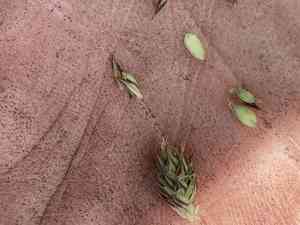
Quickly Identify Buxbaum's sedge
1
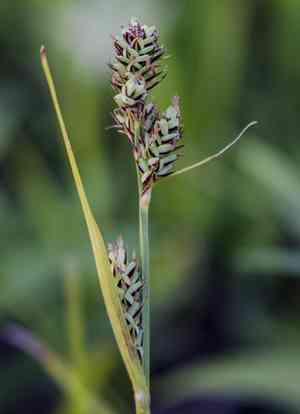
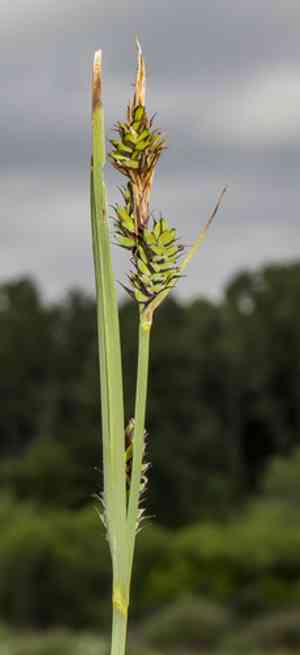
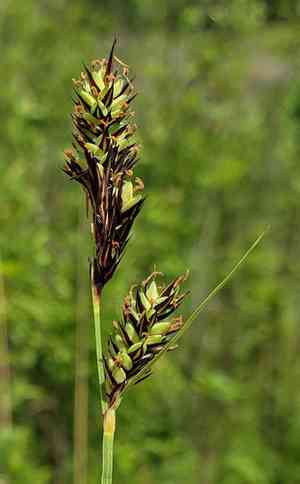
Carex buxbaumii can be identified by its narrow leaves, triangular stems, and distinctive seed heads that form dense, spike-like clusters with perigynia that are brownish to greenish in color.
Scientific Classification of Buxbaum's sedge
Phylum
Vascular plants
Class
Monocotyledons
Order
Poales
Family
Sedge
Genus
True sedges
Species
Buxbaum's sedge
Planting and Growing of Buxbaum's sedge
Care Difficulty
Moderate
Watering Schedule
Every 4 days
Sunlight Requirements
Partial sun
Sunshine Duration
6-10 hours
Ideal Temperature
60-75℉
Soil Type
Potting Mix, Peat Mix
Soil pH
6.5-7.5
Fertilizer Type
Balanced
Pruning Season
Spring, Summer
Pruning Area
Branches, Leaves
Pruning Frequency
2 times a year
Repotting Season
Spring
Pot Type
Plastic, Ceramic
 How to Water Buxbaum's sedge?
For Carex buxbaumii, it's vital to ensure the soil is consistently moist, yet not waterlogged. Aim to soak the area thoroughly with 200 ml of water each session, allowing it to penetrate deeply. The goal is to reach a balance where the moisture reaches the plant’s root zone without drowning it.
What are the symptoms of an underwatered Buxbaum's sedge?
›
What should I do if my Buxbaum's sedge is not getting enough water?
›
What are the symptoms of an overwatered Buxbaum's sedge?
›
How to save an overwatered Buxbaum's sedge?
›
 What Are the Sunlight Requirements for Buxbaum's sedge?
Partial sun to partial shade. This balance allows the plant to photosynthesize efficiently without stressing its delicate foliage, ensuring vibrant health and growth.
More About Sunlight Requirements Techniques→
Why does it need this much light?
›
Solutions for achieving ideal lighting
›
Benefits of ideal lighting conditions
›
 What Is the Ideal Temperature Range for Buxbaum's sedge?
Carex buxbaumii thrives best in a temperature range between 60°F and 75°F. Within this range, the plant experiences optimal growth and development. The conditions mimic its natural habitats, allowing it to perform essential processes such as photosynthesis effectively. Maintaining this temperature range encourages robust root growth and a healthy above-ground appearance.
 What Soil is Best for Buxbaum's sedge?
Carex buxbaumii thrives in loam and sandy loam soils which retain moisture well, essential for its growth in environments that can range from moderately moist to seasonally wet. This plant benefits from the rich nutrient content typically found in loamy soils. It requires nutrients to support its dense foliage and robust clumps, ensuring healthy and vibrant growth. Proper drainage is vital for Carex buxbaumii to prevent waterlogging. Sandy loam offers great drainage, reducing the risk of root rot and enabling the plant to thrive in water-meadow conditions.
 How to Fertilize Buxbaum's sedge?
For Carex buxbaumii, use a balanced, water-soluble fertilizer at half the recommended rate to prevent nutrient burn. Typically, this means using around 1/4 teaspoon of fertilizer per gallon of water, ensuring that the solution is diluted enough not to overwhelm the plant's root system.
 How to Prune Buxbaum's sedge?
Use sharp scissors or pruning shears for precise cuts. Ensuring your tools are clean and sharp minimizes damage to the plant's tissue, promoting quicker healing and reducing stress on the plant. Look for dead or discolored leaves first and target them for removal. Cutting these ensures the plant’s energy is focused on healthy growth rather than maintaining unhealthy foliage. Begin by making cuts at the base of the identified stem or leaf stalk near the soil line. Always cut at an angle to prevent water from pooling on cut surfaces and ensure quick water drainage.
More About Pruning Techniques→
 How to Propagate Buxbaum's sedge plant?
1
Gather seeds from mature Carex buxbaumii plants in late summer. Clean them thoroughly to remove any debris and dry them before storing in a cool, dry place until early spring planting.
2
In early spring, fill seed trays with a well-draining soil mix. Sow the seeds evenly and cover them lightly with soil. Water gently to avoid washing away the seeds, and keep them consistently moist during germination.
3
In early summer, carefully dig up a mature Carex buxbaumii plant. Use a spade or a sharp knife to divide the plant into sections, ensuring each section has healthy roots and shoots before replanting immediately.
 How to Repot Buxbaum's sedge plant?
1
Knowing when to repot your Carex buxbaumii is essential for its health and growth. Indicators include roots protruding from the pot's drainage holes and a noticeable slowdown in growth despite optimal care. Spring is the ideal season for repotting as it provides the plant with ample time to recover and thrive.
2
Choosing the right pot for Carex buxbaumii involves selecting a container that is one size larger than the current pot with adequate drainage holes. A pot that ensures proper drainage helps prevent root rot and promotes healthy plant growth by allowing excess water to escape.
3
Choosing the appropriate soil is crucial for Carex buxbaumii, requiring a peat-based, well-draining mix that retains moisture without becoming waterlogged. This type of soil ensures that the plant's roots have access to air, water, and nutrients, facilitating vigorous growth and preventing root rot.
Learn More About Buxbaum's sedge Diseases
Anthracnose
Bacterial Leaf Spot
Bacterial Soft Rot
Bacterial Wilt
Cyst Nematode
Damping-off
Downy Mildew
Drought Stress
Fusarium Wilt
Gray Mold
Leaf Spot
Mosaic
Nutrient Deficiency
Nutrient Toxicity
Powdery Mildew
Root Rot
Root-knot Nematode
Rusts
Sooty Mold
Spider Mites
Temperature Stress
Thrips Damage
White Mold
Chemical Injury



