How Much Sunlight Do Buxbaum's sedge Need?
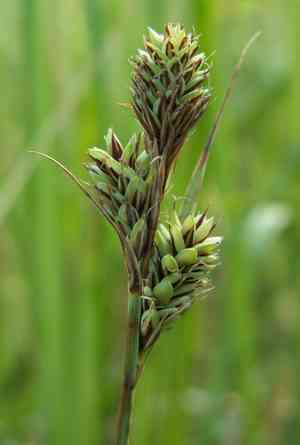
1
Buxbaum's sedge flourishes with 6-8 hours of unfiltered sun daily.
2
This sedge endures some shade, though its development might be slower.
3
Excessive direct sun exposure can lead to browning and scorching of leaf ends.
Grasping Buxbaum's Sedge Illumination Needs
Optimal Light Exposure for Buxbaum's Sedge
For your Buxbaum's sedge to flourish robustly, aim for 6-8 hours of direct sun daily. This light level is typically termed 'full sun,' meaning the plant should be situated where it receives uninterrupted sunlight for most of the day. If growing outdoors, select a spot unshaded by larger plants or structures. Indoors, placing it near a south-facing window can mimic this light exposure.
Native Environment and Light Conditions
Buxbaum's sedge originates from various North American and European regions, frequently found in wetlands and meadows. In these natural settings, the plant is accustomed to abundant sunlight, occasionally filtered by clouds. Understanding its native habitats helps you replicate the necessary conditions in your garden or home, ensuring peak growth and vitality.
Consequences of Excessive Sun for Buxbaum's Sedge
Indicators of Sunburn in Buxbaum's Sedge
A key sign your Buxbaum's sedge is getting too much sun is the appearance of brown leaf tips. The foliage might look scorched or become brittle, indicating sunburn. Additionally, general wilting or drooping, even with sufficient watering, can point to overexposure to the sun.
Preventing Sun Damage
To avoid sunburn and other sun-related harm, ensure your sedge isn't exposed to intense afternoon sun, which is particularly strong. Providing partial shade with garden netting or strategically planting taller companion plants can shield the sedge without fully blocking its needed sunlight. Mulching also helps retain soil moisture, protecting roots from overheating.
Modifying Light Exposure
If sun damage is observed, adjusting the plant's light conditions is crucial. For outdoor plants, consider moving them to a spot with morning sun and afternoon shade. Indoors, repositioning the plant a few feet from the window or using a sheer curtain can lessen excessive sun exposure while still providing adequate light.
Can Buxbaum's Sedge Thrive in Dim Light?
Minimum Light Requirements
While Buxbaum's sedge prefers full sun, it can endure partial shade, receiving 3-4 hours of direct sunlight or bright, indirect light daily. In low light, the plant may exhibit slower growth and might not achieve its full, dense foliage.
Adapting to Shady Environments
In shaded areas, Buxbaum's sedge can adapt, though with some adjustments. Ensuring consistently moist soil can aid its growth in lower light levels. Additionally, using reflective surfaces or grow lights can boost available natural light, helping the plant thrive despite reduced sunlight.
Optimizing Sunlight for Indoor and Outdoor Buxbaum's Sedge
Outdoor Placement Advice
When planting Buxbaum's sedge outdoors, select a location with at least 6 hours of sunlight. A spot receiving morning sun and afternoon shade can be ideal to balance intense heat. Also, ensure the soil stays consistently moist, mimicking its natural wetland habitat, which can mitigate potential sun stress.
Indoor Lighting Solutions
For indoor placement, position your Buxbaum's sedge near a south-facing window for bright, direct light. If natural light is insufficient, consider supplementing with grow lights that offer the necessary growth spectrum. Regular rotation can also ensure even light distribution and prevent lopsided growth.
Seasonal Light Adjustments
Seasonal changes impact the amount of sunlight your Buxbaum's sedge receives. In winter, with shorter daylight hours, consider using grow lights to maintain adequate light. Conversely, in summer, monitor the plant closely and adjust its position if needed to avoid the peak intensity of midday sun.



