How to Prune Buxbaum's sedge?
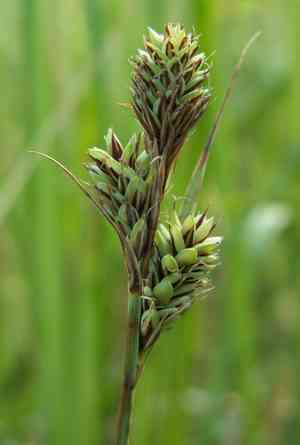
This enduring sedge, recognized for its clustered form and blade-like foliage, flourishes in marshy environments. For buxbaum's sedge, trimming is generally not required, but it can be undertaken to eliminate deceased or discolored leaves. The optimal period for pruning is during spring or the initial part of summer, aligning with active growth phases and facilitating more compact, robust regrowth. Trimming can boost air movement, discourage pests, and preserve visual appeal. Implements ought to be keen and sanitized to avert pathogen transmission. Integrating pruning with thinning might augment plant vitality.
What Are the Benefits of Pruning Buxbaum's Sedge?
What Are the Benefits of Pruning Buxbaum's Sedge?
Trimming buxbaum's sedge promotes robust development and helps maintain its desired form, ensuring the plant stays healthy and visually appealing.
What Is the Best Time for Pruning Buxbaum's Sedge?
What Is the Best Time for Pruning Buxbaum's Sedge?
Trimming or cutting buxbaum's sedge in late spring or early summer is advantageous as it aligns with the plant's inherent growth cycle. Following winter dormancy, buxbaum's sedge enters an active growth phase in spring, which intensifies into summer. Pruning at this time enables gardeners to direct the plant's energy to specific growth points, thereby fostering denser and more vigorous regrowth. Furthermore, pruning before the peak growing season helps preserve the plant's shape and size, and reduces the risk of stress and damage that can occur if pruned during its active growth. Removing old or dead foliage in late spring also enhances plant health by improving air circulation and lessening the potential for disease. Trimming after flowering in early summer ensures the plant's appearance is maintained without disrupting its natural bloom cycle.
What Tools Do I Need to Prune Buxbaum's Sedge?
Hand Pruners
Perfect for cutting through the delicate foliage and grass-like stems of buxbaum's sedge, hand pruners allow for precise cuts without harming surrounding leaves. Choose sharp, bypass pruners, which have a scissor-like action that is less damaging to plant tissues than an anvil-style pruner.
Shears
For larger clumps of buxbaum's sedge or when cutting back the entire plant in late winter or early spring, a pair of sharp garden shears can provide a cleaner and more efficient cut, especially over broader areas.
Gardening Gloves
While buxbaum's sedge is generally harmless, wearing gloves can help protect the gardener's hands from soil, plant sap, and any rough edges while handling the plant.
Garden Waste Bag
After trimming buxbaum's sedge, having a garden waste bag readily available offers a simple method for collecting and disposing of or composting the pruned material.
How to Prune Buxbaum's Sedge
Identify
Examine buxbaum's sedge thoroughly to pinpoint diseased or withered leaves and unhealthy stems that require trimming.
Disinfect
Sanitize the pruning shears before beginning to prevent the spread of disease while trimming buxbaum's sedge.
Prune leaves
Using the disinfected shears, carefully remove the diseased and withered leaves from buxbaum's sedge by snipping them at their base, close to the ground.
Prune stems
Trim diseased stems of buxbaum's sedge by cutting them at the base or just above ground level, ensuring not to disturb healthy growth.
Clean up
After trimming buxbaum's sedge, gather all removed foliage and stems to prevent any disease from spreading in the garden.
Common Pruning Mistakes with Buxbaum's Sedge
Over-pruning
Removing too much foliage at once can stress buxbaum's sedge, impeding its health and development.
Improper cuts
Cutting too close or too far from the base can leave buxbaum's sedge vulnerable to pests and diseases.
Using dull tools
Blunt blades can cause ragged cuts that harm buxbaum's sedge and hinder proper healing.
Neglecting to remove dead foliage
Failing to clear away dead or dying foliage can attract fungal diseases and pests.
Pruning without a plan
Random or excessive trimming can lead to unbalanced growth and reduced vigor in buxbaum's sedge.
Common Pruning Tips for Buxbaum's Sedge
Sanitize tools
Always use sanitized cutting tools to prevent the spread of disease when trimming buxbaum's sedge.
Thinning cuts
Make thinning cuts to remove dead or overgrown foliage, which promotes airflow and light penetration.
Preserve plant shape
Trim with the natural shape of buxbaum's sedge in mind to maintain its aesthetic and growth habit.
Gradual pruning
Spread out trimming activities over time instead of doing it all at once to minimize stress on buxbaum's sedge.
Post-pruning care
After trimming, provide buxbaum's sedge with adequate water and nutrients to support recovery and regrowth.



