How to Transplant Bush's sedge?
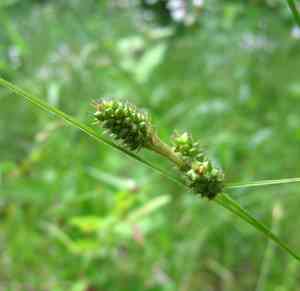
For best results, establish bush's sedge's root system in the ground once the soil has warmed, generally between the end of spring and the middle of summer. Select a location offering partial shade and rich, well-draining soil. Bear in mind that careful handling facilitates a smooth acclimatization.
Essential Preparations Before Relocating Bush's Sedge
When is the Best Time to Move Bush's Sedge?
The prime window for moving bush's sedge spans from the start of warm weather through the peak of the growing season. This timeframe promotes vigorous development. With extended daylight and mild temperatures, bush's sedge's roots establish more effectively, maximizing survival and vitality. As a friendly reminder, this period aligns with late spring to mid-summer, when the soil is warm and inviting for bush's sedge's new placement!
What is the Recommended Spacing Between Bush's Sedge Plants?
Greetings, aspiring gardener! First, let's ensure your bush's sedge has ample room to thrive. Aim for a separation of approximately 12-18 inches (30-45 cm) between plants. This will provide sufficient space for growth, preventing them from feeling overcrowded!
What is the Optimal Soil Blend for Transplanting Bush's Sedge?
Now, for the foundational earth! Bush's sedge flourishes in soil that is both well-draining and rich in organic material. Incorporate some compost or a balanced slow-release fertilizer to prepare a welcoming environment for your bush's sedge's roots.
Where Should You Replant Your Bush's Sedge?
Sunlight is beneficial but not in excess for bush's sedge. Select a location where they can enjoy partial to full shade throughout the day. This gentle light combination will keep your bush's sedge content and flourishing!
Equipment to Prepare Before Transplanting Bush's Sedge
Gardening Gloves
To safeguard your hands while handling soil and the plant.
Shovel or Spade
For excavating the plant and preparing the new planting site.
Garden Fork
To loosen the soil around the roots if necessary.
Watering Can or Hose
To hydrate the bush's sedge before and after relocation.
Pruning Shears
To trim any damaged roots or foliage.
Wheelbarrow or Plant Dolly
To transport the bush's sedge if it is large or heavy.
Mulch
To aid in retaining soil moisture post-transplant.
How to Extract Bush's Sedge from the Soil
How to Extract Bush's Sedge from the Soil?
From Ground: First, moisten the bush's sedge plant to soften the soil, making it easier to manage. Next, use a shovel or spade to dig a wide trench around the plant, being careful not to harm the root ball. Gently work the tool beneath the root ball to free the plant from the earth.From Pot: Invert the pot on its side and gently tap to dislodge the bush's sedge. Tilt the pot and carefully slide the plant out. Support the plant by its base and gently untangle any circling roots.From Seedling Tray: Dampen the soil in the tray. Use a spoon or a small implement to carefully lift the bush's sedge seedling from the tray, including the root ball, to prevent damage to the delicate roots.
Step-by-Step Guide for Relocating Bush's Sedge
Hole Preparation
Excavate a hole in the ground, making it twice as wide and the same depth as the bush's sedge root ball to allow roots ample room to spread.
Root Inspection
Examine the bush's sedge's root ball. If there are dead or damaged roots, trim them with pruning shears.
Positioning Plant
Place the bush's sedge in the center of the hole, spreading out its roots. Ensure the top of the root ball is level with the surrounding soil surface.
Backfilling Soil
Gently refill the hole with soil around the bush's sedge, lightly firming it down to remove air pockets, but avoid heavy compaction.
Watering
Thoroughly water the bush's sedge to settle the soil around the roots and eliminate any remaining air gaps.
Adding Mulch
Apply a layer of mulch around the bush's sedge to help conserve moisture and regulate soil temperature, keeping the mulch a few inches away from the stem to prevent rot.
Post-Transplant Care for Bush's Sedge
Consistent Watering
Ensure the soil around the bush's sedge remains damp, especially during dry periods. Avoid excessive watering which can lead to root rot.
Assessing Plant Stability
Verify that the bush's sedge is secure in its new location. Stabilize if needed, until the roots firmly establish.
Pest Monitoring
Regularly check the bush's sedge for indications of pests or disease. Early detection improves management effectiveness.
Pruning
Remove any dead or yellowing leaves to direct energy towards the growth of healthy bush's sedge foliage and roots.
Resolving Common Issues with Bush's Sedge Transplantation
What is the optimal time to transplant bush's sedge for best growth?
The ideal period for transplanting bush's sedge is from late spring to mid-summer, ensuring warm soil for root establishment.
Why is my bush's sedge not thriving after transplanting?
Ensure the root ball is not positioned too deep or too high in the soil, and that it receives adequate water and light.
How much space should I provide between my bush's sedge plants?
Allow each bush's sedge approximately 12-18 inches (30-45 cm) of space. This provides room for growth and air circulation.
Can I transplant bush's sedge in the autumn?
It's best to limit transplanting bush's sedge to late spring through mid-summer for optimal root development before winter.
What soil conditions are favorable for bush's sedge after transplanting?
After transplanting, bush's sedge prefers well-draining soil with consistent moisture and a balanced nutrient profile.
My bush's sedge appears wilted post-transplanting, what action should I take?
Wilting can indicate transplant shock. Keep the soil moist and provide shade if necessary until bush's sedge recovers.
How deep should I plant bush's sedge's roots?
Plant bush's sedge's roots at the same depth as they were in their original pot or ground, avoiding burying the crown.
Should I fertilize bush's sedge immediately after transplanting?
Wait a few weeks before fertilizing to allow bush's sedge to establish roots without nutrient burn.
Is pruning necessary for bush's sedge during transplanting?
Pruning is generally not required during transplant, but remove any damaged or dead foliage to focus growth on healthy roots.
How much water does bush's sedge require after transplanting?
Keep the soil around bush's sedge consistently damp by watering deeply without oversaturating, to encourage root growth in its new location.



