How to Prune Bush's sedge?
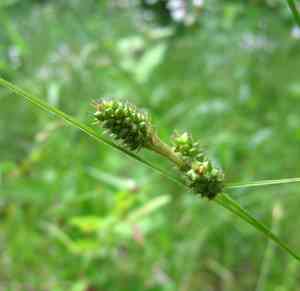
A perennial resembling grass, bush's sedge flourishes in damp environments with little upkeep. In early spring or winter, trim away any deceased or discolored leaves to foster robust development and preserve a neat look. Cutting back spent flower stems after blooming can also stimulate a subsequent burst of growth. Performing these pruning tasks during bush's sedge's inactive period minimizes strain and enhances the plant's vitality. Consistent elimination of withered material additionally hinders self-propagation and promotes more vigorous clusters.
What Are the Benefits of Pruning Bush's Sedge?
What Are the Benefits of Pruning Bush's Sedge?
Trimming bush's sedge promotes robust development by eliminating dead or crowded leaves, thereby enhancing air circulation and light penetration. This helps sustain the plant's desired shape and compact form, crucial for both visual appeal and vitality.
What Is the Best Time for Pruning Bush's Sedge?
What Is the Best Time for Pruning Bush's Sedge?
Trimming bush's sedge in early spring is ideal as it occurs just before the plant's active growth period. This allows bush's sedge to recover quickly from pruning, while also shaping the plant and boosting its vigor as the growing season begins. Additionally, removing dead or damaged foliage at this time helps prevent disease and pest infestations. Winter is also a suitable time for trimming bush's sedge because the plant is typically dormant during this season. Pruning in winter minimizes stress on the plant and offers better visibility of its structure without fully developed foliage, enabling more precise cuts and shape management.
What Tools Do I Need to Prune Bush's Sedge?
Hand Pruners or Garden Scissors
Perfect for precise cuts on individual leaves or stems of bush's sedge, allowing for shaping and removal of dead material without disturbing surrounding vegetation.
Long-Handled Loppers
Excellent for reaching into dense clumps of bush's sedge and cutting thicker stems that hand pruners can't manage, providing leverage for clean cuts without straining the gardener's hands.
Gardening Gloves
Crucial for protecting hands from the sharp edges of bush's sedge's foliage during pruning, ensuring a safe and comfortable gardening experience.
Garden Waste Bags
Useful for collecting and removing clippings from bush's sedge after pruning, maintaining a tidy workspace and simplifying disposal or composting.
How to Prune Bush's Sedge
Disinfect tools
Before beginning, ensure pruning shears or scissors are cleaned and disinfected to prevent disease spread to bush's sedge.
Identify
Carefully inspect bush's sedge to locate diseased and withered leaves. Diseased leaves may show signs of discoloration or unusual growth, while withered leaves will appear brown and dried.
Trim diseased leaves
Using disinfected tools, gently trim away diseased leaves at their base, being careful not to harm healthy tissue. Properly dispose of diseased material to prevent contamination.
Trim withered leaves
Similarly, trim withered leaves at their base. Make clean cuts to promote faster healing and minimize stress to bush's sedge.
Cleanup
After pruning, clear all debris from around bush's sedge to maintain good hygiene and deter pests. Sanitize tools again after use.
Common Pruning Mistakes with Bush's Sedge
Over-pruning
Removing too much foliage at once can stress bush's sedge, as it relies on its leaves for photosynthesis and maintaining its health.
Pruning at the wrong angle
Incorrect cutting angles can damage bush's sedge's stems, leading to disease and poor growth.
Using dull tools
Dull blades can crush bush's sedge's stems instead of cutting cleanly, hindering the plant's ability to heal and encouraging disease.
Disregarding plant shape
Pruning without considering the natural form of bush's sedge can result in an unnatural appearance and harm the plant's structural integrity.
Neglecting tool hygiene
Not sanitizing tools before use can spread pathogens to bush's sedge, potentially causing disease.
Removing healthy growth
Unnecessarily cutting away healthy foliage can inhibit bush's sedge's growth and vigor.
Common Pruning Tips for Bush's Sedge
Clean cuts
Use sharp, sanitized pruning tools to make clean cuts on bush's sedge, which help the plant heal quickly and reduce disease risk.
Prune sparingly
Prune bush's sedge sparingly to maintain its natural shape, focusing on dead or damaged foliage to encourage healthy growth and airflow.
Follow the one-third rule
Never remove more than one-third of bush's sedge's total foliage during a single pruning session to avoid stressing the plant.
Preserve the crown
When pruning bush's sedge, avoid cutting into the crown where new growth emerges, as this can cause significant damage to the plant.
Maintain plant form
Respect the natural growth habit of bush's sedge when pruning, trimming back uneven sections to preserve a cohesive appearance without over-modifying its structure.
Aftercare
After pruning bush's sedge, ensure the plant has adequate water and, if necessary, apply a balanced, slow-release fertilizer to support recovery and new growth.



