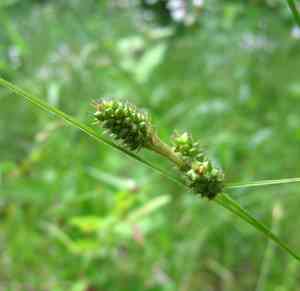
Bush's sedge (Carex bushii)
Also known as: Bush's Sedge
Bush's sedge (Carex bushii) is typically found in the grassland regions of the United States. It flourishes in consistently moist soils and can adapt well to recently disturbed areas. The plant’s leaf sheaths often display shades of pink, purple, or red. The seeds are clustered along the stalk, though not at the very top.
In This Article
Attributes of Bush's sedge
Lifespan
Perennial
Plant Type
Grass
Plant Height
30 cm to 91 cm
Spread
30 cm to 60 cm
Leaf Color
Green
Flower Size
Small, less than 1 cm
Flower Color
Yellow Brown
Images of Bush's sedge
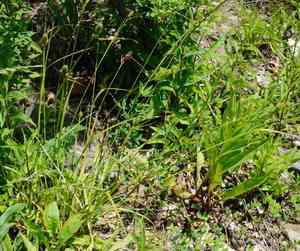
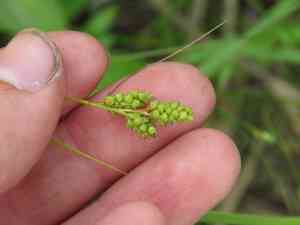
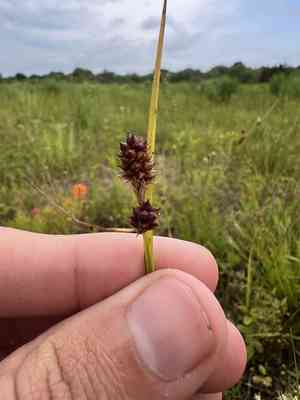
Quickly Identify Bush's sedge
1
Carex bushii can be identified by its tufted habit, narrow leaves, and unique inflorescence structure. The culms (stems) are triangular in cross-section, a common feature in sedges. The flower spikes are usually arranged in a visually distinctive pattern with a combination of male and female flowers.
Scientific Classification of Bush's sedge
Phylum
Vascular plants
Class
Monocotyledons
Order
Poales
Family
Sedge
Genus
True sedges
Species
Bush's sedge
Planting and Growing of Bush's sedge
Care Difficulty
Easy
Watering Schedule
Every 4 days
Sunlight Requirements
Partial sun
Sunshine Duration
4-8 hours
Ideal Temperature
60-75℉
Soil Type
Potting Mix, Peat Mix
Soil pH
5.5-7.5
Fertilizer Type
Balanced
Pruning Season
Spring, Summer
Pruning Area
Branches, Leaves
Pruning Frequency
2 times a year
Repotting Season
Spring
Pot Type
Plastic, Ceramic
 How to Water Bush's sedge?
For Carex bushii, the watering amount should be around 250 milliliters. This plant prefers consistently moist but not waterlogged soil. Water evenly until the soil feels moist but not soaked, ensuring that the water reaches the root zone without causing standing water.
What are the symptoms of an underwatered Bush's sedge?
›
What should I do if my Bush's sedge is not getting enough water?
›
What are the symptoms of an overwatered Bush's sedge?
›
How to save an overwatered Bush's sedge?
›
 What Are the Sunlight Requirements for Bush's sedge?
Carex bushii thrives in partial sun, benefiting from a balanced light environment that ensures healthy growth and vibrant foliage, fostering robust overall health.
More About Sunlight Requirements Techniques→
Solution for Ideal Light
›
Specific Measures
›
Benefits of Ideal Light
›
 What Is the Ideal Temperature Range for Bush's sedge?
Carex bushii thrives in a temperature range between 60°F and 75°F. Within this range, the plant can perform its biological processes optimally, including photosynthesis and nutrient uptake, leading to healthy growth. Ensuring the temperature remains within this window allows for the prevention of stress and maximizes the plant's decorative and ecological value.
 What Soil is Best for Bush's sedge?
Carex bushii thrives in soil that retains moisture without becoming waterlogged. This ensures a steady supply of water to the roots, preventing stress and promoting vigorous growth. This plant requires a nutrient-rich substrate to support its growth. Providing soil rich in organic matter can promote healthy foliage and consistent blooming. To prevent root rot, Carex bushii benefits from soil that drains well, avoiding standing water. This balance contributes to a robust root system and overall plant health.
 How to Fertilize Bush's sedge?
Carex bushii, being a hardy sedge, does well with modest fertilization. A general-purpose balanced fertilizer (10-10-10) can be applied at a rate of 1/4 to 1/2 of the recommended dosage on the package, ensuring not to overwhelm this resilient yet nutrient-sensitive plant.
 How to Prune Bush's sedge?
While it's essential to keep Carex bushii tidy, be cautious not to over-prune. Excessive cutting can stress the plant, diminishing its resilience and inhibiting proper root development. Aim for a balanced approach. Ensure you use sharp, sterilized pruning shears when trimming Carex bushii. Dull or dirty tools can tear the foliage, creating entry points for disease. Regularly clean and sharpen your tools to maintain their efficiency. Post-pruning, keep an eye on your Carex bushii for any signs of stress or disease. Early detection allows for timely intervention, ensuring your plant remains robust and thrives in its environment.
More About Pruning Techniques→
 How to Propagate Bush's sedge plant?
1
Fill seed trays with a well-draining potting mix. Ensure the mix is moist but not waterlogged, providing a conducive germinating environment for seeds.
2
Place seeds evenly across the surface of the soil in the tray. Lightly cover with a thin layer of soil, as they require light to germinate.
3
Dig around the base of the plant to lift it from the soil. Using a sharp knife or spade, divide the plant at the root cluster and replant each division immediately.
 How to Repot Bush's sedge plant?
1
Signs indicating Carex bushii needs repotting include noticeable root binding, water drainage issues like pooling on the surface, or simply overgrown proportions compromising its initial container space. Springtime repotting is best as this is when plants naturally start metabolizing actively; hence the shock trauma of transplantation is significantly reduced.
2
Opt for pots with drainage holes and one size larger than the current for Carex bushii. The additional space accommodates root growth while preventing waterlogging. Material-wise, terracotta pots are ideal as they allow air circulation and moisture regulation, essential for the health of the plant.
3
Select well-draining loamy soil for Carex bushii to ensure optimal growth conditions. Loam holds nutrients well, provides ample aeration for roots, and maintains structural integrity, reducing the risk of compaction. This soil type enhances the plant's resilience and overall vitality.



