The Bush's sedge Plant Advantage: Maximizing Home and Office Appeal and Wellness
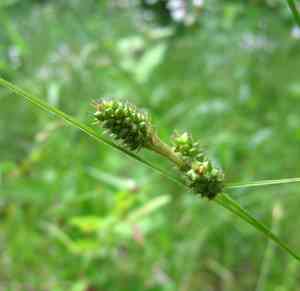
1
Bush's sedge, a native grass, flourishes in diverse soil conditions.
2
Its extensive root network aids in preventing soil degradation.
3
This sedge offers superb shelter and living space for local fauna.
What Makes Bush's Sedge Distinctive?
Versatility Across Various Environments
A key characteristic of Bush's sedge is its remarkable adaptability. This plant flourishes in diverse soil types, ranging from sandy to heavy clay. It can also endure different moisture levels, making it a flexible option for many settings. Whether your garden is a damp area or a dry, elevated spot, Bush's sedge can adjust and thrive, offering a resilient and dependable ground cover.
Appearance and Visual Appeal
Bush's sedge provides a unique aesthetic with its delicate foliage and upright growth. This makes it an excellent choice for adding texture and movement to garden designs. The plantâs soft, green leaves create a lush, natural look that can complement a wide array of other plants and landscape features. It is especially effective when used in large groupings or as an edge plant, providing a smooth transition between different garden zones.
Ecological Advantages of Bush's Sedge
Erosion Prevention
A significant ecological benefit of Bush's sedge is its capacity to prevent soil erosion. The plant's extensive root system helps bind the soil, reducing runoff and preserving soil integrity. This makes it an excellent option for areas prone to erosion, such as slopes, banks, and water catchment areas. By planting Bush's sedge, you can enhance your soil's stability, safeguarding your landscape and nearby water sources from sediment and pollution.
Support for Local Wildlife
Beyond its soil stabilization benefits, Bush's sedge plays a vital role in supporting local wildlife. Its dense foliage offers excellent cover and nesting spots for various birds and small mammals. Additionally, insects and pollinators, such as bees and butterflies, are drawn to its blooms, contributing to the overall health and biodiversity of your garden. By incorporating Bush's sedge into your landscape, you are not only enhancing its beauty but also fostering a thriving habitat for local fauna.
How to Integrate Bush's Sedge into Your Landscape?
Optimal Growing Conditions
To successfully integrate Bush's sedge into your landscape, it's crucial to understand its preferred growing conditions. Although adaptable, Bush's sedge favors full sun to partial shade and well-drained soils. It also tolerates wet conditions, making it suitable for rain gardens and areas with poor drainage. Furthermore, Bush's sedge is a low-maintenance plant, requiring minimal care once established. This makes it an ideal choice for busy gardeners who desire the benefits of a beautiful and eco-friendly garden with little effort.
Design Concepts and Applications
There are numerous ways to incorporate Bush's sedge into your garden design. It can serve as a ground cover to fill expansive areas or as an accent plant in mixed borders. Consider planting Bush's sedge along paths, around garden ponds, or in rain gardens to add visual interest and improve drainage. Its ability to blend well with other native plants makes it a versatile addition to any native plant garden. You can also use Bush's sedge in naturalistic plantings, creating a prairie or meadow aesthetic that supports local ecosystems and enhances the natural beauty of your landscape.



