How to Transplant Bicknell's sedge?
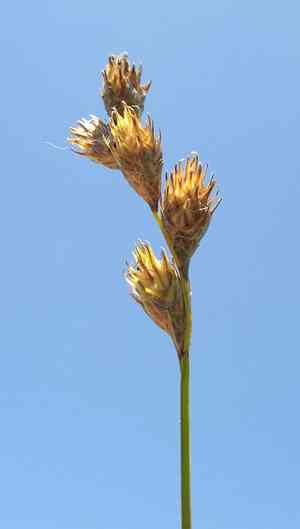
Bicknell's sedge flourishes when transplanted between early and late spring, leveraging its active growth phases. Select a site receiving full sun to partial shade, featuring soil that drains effectively, for the best establishment. Exercise care to preserve the root system's structure during the relocation process.
Preparations Required Before Relocating Bicknell's Sedge
Optimal Period for Relocating Bicknell's Sedge?
The prime window for relocating bicknell's sedge spans from early to late spring. This timeframe enables the plant to establish its root system prior to the summer heat. Transplanting during this season maximizes root development, boosts resilience, and ensures a robust growth cycle. Proper timing is vital for the successful adaptation and longevity of this perennial species.
Recommended Spacing Between Bicknell's Sedge Plants?
When relocating bicknell's sedge, ensure each plant is positioned 12-18 inches (30-45 cm) apart. This provides ample room for growth without resource competition, allowing them to flourish and appear their best in your garden.
Ideal Soil Blend for Bicknell's Sedge Relocation?
Prepare the soil for bicknell's sedge by ensuring it drains well and possesses moderate fertility. Incorporating a balanced base fertilizer, such as a 10-10-10 blend, can supply essential nutrients. Mix the fertilizer into the top 6 inches (15 cm) of soil for optimal outcomes.
Optimal Location for Your Bicknell's Sedge?
Bicknell's sedge thrives in full sun to partial shade, so choose a garden spot that receives at least 6 hours of sunlight daily. This promotes strong and healthy plant growth. Avoid excessively shaded areas as they may impede development.
Equipment Needed Before Relocating Bicknell's Sedge
Gardening Gloves
To safeguard your hands while handling soil and plants.
Shovel or Spade
For excavating and extracting the plant from its original spot.
Hand Trowel
For precise digging and planting tasks.
Watering Can or Hose
To hydrate the plant before removal and after replanting.
Garden Fork
Useful for loosening soil around the plant to protect roots during extraction.
Wheelbarrow
For moving the plant from its initial location to the new site.
How to Extract Bicknell's Sedge from the Ground?
How to Extract Bicknell's Sedge from the Ground?
From Ground: First, moisten the soil around the bicknell's sedge plant. Then, dig a wide trench around the plant using a shovel or spade, ensuring the root ball remains intact. Carefully work the spade beneath the root ball to lift the plant from its original position.From Pot: Thoroughly water the potted bicknell's sedge. Gently tilt the pot sideways and carefully slide the plant out, supporting the root ball. If necessary, lightly tap the pot's sides or bottom to dislodge the plant.From Seedling Tray: Water the seedlings in the tray before removal to minimize root stress. Using a hand trowel or even a pencil, gently push up from the base of each compartment to lift the seedlings with their root balls intact.
Step-by-Step Guide for Relocating Bicknell's Sedge
Site Preparation
Prepare the new planting area by digging a hole twice as wide and as deep as the bicknell's sedge's root ball. This provides ample room for root establishment.
Soil Preparation
Improve the soil in the hole with compost to supply nutrients and enhance drainage.
Placement
Position the bicknell's sedge in the center of the hole, ensuring the top of the root ball is level with the ground surface. Backfill the hole with soil, gently firming it around the roots to eliminate air pockets.
Watering
After planting, thoroughly water the bicknell's sedge to help settle the soil around the roots and initiate the establishment process.
Mulching
Apply a 2-3 inch layer of mulch around the plant's base to retain moisture and suppress weeds, ensuring some space is left around the stem to prevent rot.
Post-Relocation Care for Bicknell's Sedge
Watering
Maintain consistent moisture in the soil around the bicknell's sedge, avoiding sogginess, for the initial weeks after relocation to promote strong root development.
Monitoring
Regularly check for signs of transplant shock, such as wilting or yellowing leaves, and address any issues promptly.
Weeding
Keep the area around the bicknell's sedge free of weeds to reduce competition for nutrients and water.
Staking (if necessary)
If the bicknell's sedge is tall or in a windy location, consider staking it for additional support until its roots are fully established.
Resolving Common Issues with Bicknell's Sedge Relocation.
When is the best time to relocate bicknell's sedge?
The optimal period for relocating bicknell's sedge is from early spring to late spring.
What spacing should I maintain between bicknell's sedge plants?
Each bicknell's sedge plant should be spaced approximately 12-18 inches (30-45 cm) apart for optimal growth.
How should I prepare the soil for relocating bicknell's sedge?
Ensure the soil is well-draining and enriched with compost to support bicknell's sedge's growth.
What if the relocated bicknell's sedge wilts?
Water thoroughly and provide shade for a few days until the plant recovers and adjusts.
Should I prune bicknell's sedge before relocating?
Yes, trimming some foliage helps minimize transplant shock and encourages root establishment.
How can I prevent transplant shock in bicknell's sedge?
Relocate on a cool, overcast day, water well, and avoid excessive root disturbance.
Is mulching essential after relocating bicknell's sedge?
Yes, a layer of mulch helps retain moisture and regulate soil temperature around the plant.
How frequently should I water bicknell's sedge after relocating?
Water bicknell's sedge immediately after relocation and keep the soil consistently moist, but not waterlogged.
Can I fertilize bicknell's sedge right after relocating?
Avoid immediate fertilization. Wait a few weeks for the plant to establish roots before feeding.
What if bicknell's sedge experiences pest issues post-relocation?
Monitor the plant and use natural pest control methods like neem oil to manage any infestation.



