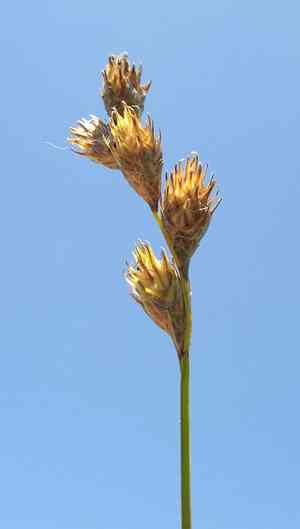
Bicknell's sedge (Carex bicknellii)
Also known as: Bicknell's Sedge
Carex bicknellii, also referred to as Bicknell's sedge or copper-shouldered oval sedge, is indigenous to North America. It typically inhabits mesic to dry prairies, savannas, and open woodlands. The plant grows in modest clumps, usually producing fewer than 25 flowering stems per clump.
In This Article
Attributes of Bicknell's sedge
Lifespan
Perennial
Plant Type
Grass
Plant Height
46 cm to 91 cm
Spread
Not applicable, as it forms clumps rather than branching crowns
Leaf Color
Green
Flower Size
Not specifically measured; flowers are small and form part of the seed head
Flower Color
White Yellow Brown
Images of Bicknell's sedge
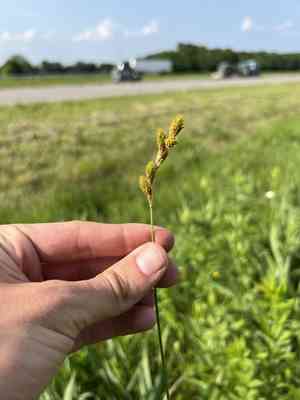
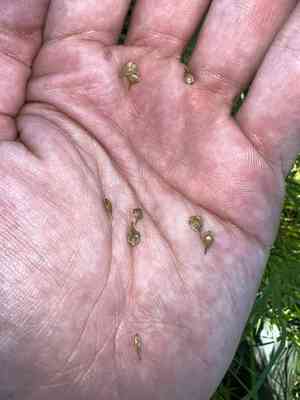

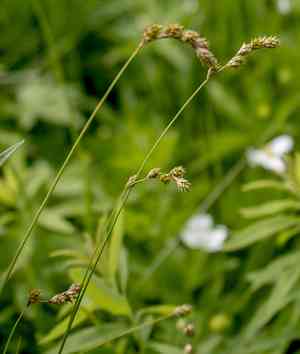
Quickly Identify Bicknell's sedge
1
Bicknell\'s Sedge can be identified by its clump-forming habit, narrow grass-like leaves, and dense, compact seed heads that appear in late spring to early summer.
Scientific Classification of Bicknell's sedge
Phylum
Vascular plants
Class
Monocotyledons
Order
Poales
Family
Sedge
Genus
True sedges
Species
Bicknell's sedge
Planting and Growing of Bicknell's sedge
Care Difficulty
Easy
Watering Schedule
Every 2 days
Sunlight Requirements
Partial sun
Sunshine Duration
4-8 hours
Ideal Temperature
65-75℉
Soil Type
Potting Mix, Peat Mix
Soil pH
6.5-7.5
Fertilizer Type
Balanced
Pruning Season
Spring, Summer
Pruning Area
Branches, Leaves
Pruning Frequency
2 times a year
Repotting Season
Spring
Pot Type
Plastic, Ceramic
 How to Water Bicknell's sedge?
For Carex bicknellii, it's essential to water until the soil is moist but not soggy. Typically, around 500 milliliters per session is adequate, ensuring the soil absorbs the water uniformly without pooling.
What are the symptoms of an underwatered Bicknell's sedge?
›
What should I do if my Bicknell's sedge is not getting enough water?
›
What are the symptoms of an overwatered Bicknell's sedge?
›
How to save an overwatered Bicknell's sedge?
›
 What Are the Sunlight Requirements for Bicknell's sedge?
Carex bicknellii thrives in partial sun, receiving 4 to 6 hours of sunlight. This ideal light fosters lush, green foliage and strong root systems, essential for long-term health and aesthetic beauty.
What is the ideal sunlight exposure for Carex bicknellii?
›
How can you achieve optimal lighting for Carex bicknellii?
›
What are the benefits of providing ideal lighting to Carex bicknellii?
›
 What Is the Ideal Temperature Range for Bicknell's sedge?
The appropriate temperature for growing Carex bicknellii should be within the ideal range of 65°F to 75°F. Maintaining this temperature allows for optimal plant growth and vitality, as it closely resembles the plant's native habitat conditions. Consistent warmth encourages proper photosynthesis and nutrient uptake.
 What Soil is Best for Bicknell's sedge?
Carex bicknellii thrives in a well-draining substrate, such as loam or sandy loam. This allows it to maintain its structural integrity and ensures that roots do not sit in water, reducing the risk of rot. This sedge prefers soil rich in organic matter, which provides essential nutrients for robust growth and vibrant foliage. Adding compost can enhance the nutrient profile, supporting better plant health. The soil should retain moderate moisture, preventing it from becoming dry too quickly, which is crucial for sustaining the lush green appearance of Carex bicknellii especially during dry spells.
 How to Fertilize Bicknell's sedge?
Carex bicknellii benefits from a balanced approach to fertilization. For liquid fertilizers, apply at a concentration of 100 ppm (parts per million) nitrogen every month during the growing season. For slow-release fertilizers, use a rate of 1 pound per 100 square feet annually, ensuring even distribution around the plant base.
 How to Prune Bicknell's sedge?
Begin by assessing the overall growth condition of your Bicknell's sedge. Use a pair of sharp, sterilized shears to trim back any dead or brown foliage. Focus on trimming no more than a third of the plant's overall growth structure to avoid shock. Always cut just above a node to promote new growth. In Spring, aim to rejuvenate the plant by removing any winter damage. During Summer, focus on maintaining shape and size as the plant continues to grow vigorously. Be careful not to over-prune during the hot months to prevent stress.
More About Pruning Techniques→
 How to Propagate Bicknell's sedge plant?
1
Fill seed trays with a well-draining potting mix. Ensure the mix is moistened before sowing Carex bicknellii seeds approximately half an inch apart on the surface. Lightly cover with a thin layer of soil or sand.
2
For division propagation, locate a healthy, mature Carex bicknellii plant. Use a garden fork to lift the entire clump, then carefully separate the root mass into smaller sections for replanting.
3
Once seedlings have developed a few true leaves, carefully transplant them into individual pots or directly into the garden. Ensure that the transplant location has adequate moisture and partial shade.
 How to Repot Bicknell's sedge plant?
1
The ideal time to repot Carex bicknellii is when it shows signs of being root-bound. Look for roots growing out of the drainage holes or swirling around the pot. Additionally, if growth seems stunted despite adequate care, it's likely a sign that the roots need more room to thrive.
2
Selecting a suitable pot for Carex bicknellii involves choosing one that is about one inch larger in diameter than the current pot. A pot with good drainage is essential to prevent waterlogging, which could harm the plant's health. Using terracotta or ceramic pots helps in maintaining moisture balance.
3
Opt for a well-draining potting mix that contains components like perlite or sand. This soil composition aids in preventing root rot by allowing excess water to escape easily. Good aeration created by such a soil also helps nurture healthy root development.
Learn More About Bicknell's sedge Diseases
Anthracnose
Bacterial Leaf Spot
Bacterial Soft Rot
Chemical Injury
Damping-off
Downy Mildew
Drought Stress
Fusarium Wilt
Gray Mold
Leaf Spot
Mosaic
Nutrient Deficiency
Nutrient Toxicity
Powdery Mildew
Root Rot
Root-knot Nematode
Rusts
Sooty Mold
Spider Mites
Temperature Stress
Thrips Damage
White Mold



