How to Prune Bicknell's sedge?
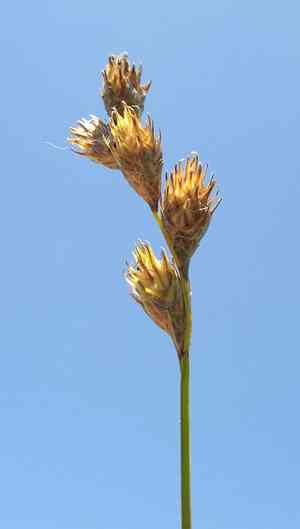
This enduring grass-like variety flourishes in adequately drained ground with ample sunlight. The most effective trimming for bicknell's sedge takes place in early spring or during winter, prior to the appearance of new growth. Eliminating deceased or excessively dense leaves will stimulate its development and elevate its aesthetic quality. Trimming not only assists in preserving a neat look but also boosts the plant's well-being by diminishing the likelihood of infestations and illnesses.
What Are the Benefits of Pruning Bicknell's Sedge?
What Are the Benefits of Pruning Bicknell's Sedge?
Trimming bicknell's sedge promotes robust development and maintains its desired form. Regular cutting helps revitalize the plant, ensuring denser, stronger leaves, which enhances its overall health and visual appeal.
What Is the Best Time for Pruning Bicknell's Sedge?
What Is the Best Time for Pruning Bicknell's Sedge?
Pruning bicknell's sedge in early spring, prior to new growth, ensures the plant stays vibrant and retains its strong shape without hindering the emergence of new shoots. This timing optimizes the plant's natural recovery and flourishing during its peak growth in spring and summer. Winter pruning is also recommended when bicknell's sedge is dormant. This avoids unnecessary plant stress and minimizes disease risk through pruning cuts, as many pathogens are less active in cold weather. Both seasons allow gardeners to effectively shape bicknell's sedge and maintain its health, ensuring it recovers strongly with warmer temperatures.
What Tools Do I Need to Prune Bicknell's Sedge?
Hand Pruners
Perfect for precise cuts on bicknell's sedge, hand pruners allow gardeners to easily trim dead or overgrown blades without disturbing surrounding plant growth. Their sharp blades provide clean cuts, encouraging healthy regrowth.
Grass Shears
Given bicknell's sedge's grass-like qualities, grass shears are especially suitable. They enable gardeners to shape edges or cut back foliage uniformly and quickly, which is crucial for maintaining bicknell's sedge's neat appearance and health.
Pruning Knife
A pruning knife is useful for detailed work on bicknell's sedge, particularly for removing or shaping parts of this sedge in crowded planting areas. Its precision ensures minimal damage to delicate root structures.
How to Prune Bicknell's Sedge
Identify
Identify and assess the condition of bicknell's sedge's leaves. Look for any diseased or withered ones, which typically appear brown or discolored, and feel dry or brittle compared to healthy, green foliage.
Prepare
Prepare the appropriate pruning tools. Use sharp, clean, and disinfected garden scissors or pruning shears to prevent the spread of plant diseases.
Trim diseased
Trim diseased leaves at the base of bicknell's sedge, where they emerge from the ground. Ensure the entire leaf, including its base, is removed to prevent further disease spread.
Trim withered
Cut back withered leaves similarly to diseased ones, making sure to cut as close to the base as possible without harming the plant's crown or nearby healthy foliage.
Dispose
Properly dispose of all removed leaves. Diseased and withered plant material should be discarded and not composted to avoid recontaminating bicknell's sedge or spreading issues to other plants.
Common Pruning Mistakes with Bicknell's Sedge
Over pruning
A frequent error is removing too much foliage from bicknell's sedge, which can significantly weaken the plant. Bicknell's sedge generally thrives with minimal trimming, and excessive cutting can lead to reduced vigor and sparse growth.
Improper technique
Using incorrect cutting methods can harm bicknell's sedge's delicate stems. Rough handling or dull tools can crush stem tissue, hindering the plant's natural growth and recovery processes.
Incorrect timing within approved period
Even within the generally suitable pruning period, trimming bicknell's sedge during environmental stress, such as drought, can impede its ability to recover and thrive.
Common Pruning Tips for Bicknell's Sedge
Use sharp tools
Ensure pruning tools are sharp and clean. This guarantees a clean cut that heals quickly, preventing damage and potential disease entry.
Minimal pruning approach
Adopt a minimal pruning approach for bicknell's sedge. It's essential to only thin out dead or overgrown foliage to maintain plant health and aesthetics, rather than extensively shaping the plant.
Focus on dead or damaged foliage
Concentrate on removing dead or damaged foliage to promote healthier growth and better airflow within the plant. This prevents the accumulation of rot and disease, common in denser foliage areas.



