How to Transplant Bailey's sedge?
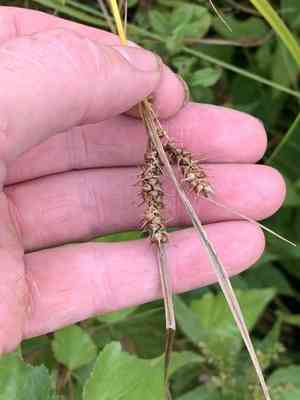
The ideal time for transplanting bailey's sedge spans from the beginning to the height of the revitalization period, guaranteeing robust development. Select a spot featuring damp, adequately draining earth, with partial shade. Enhance the area with compost to aid bailey's sedge's establishment.
What Preparations are Needed Before Transplanting Bailey's Sedge?
What is the Ideal Time for Transplanting Bailey's Sedge?
The optimal period for relocating bailey's sedge spans from the initial signs of spring's return to the onset of late spring's vigor. This timeframe provides bailey's sedge with balanced cool temperatures and increasing daylight, promoting root development before summer heat. Choosing this season for transplantation ensures bailey's sedge has ample opportunity to establish a strong root system, crucial for enduring summer stress and boosting its survival chances. A helpful tip â align your transplanting efforts with this growth-promoting window for a vibrant, flourishing bailey's sedge display in your garden!
How Much Space Should You Leave Between Bailey's Sedge Plants?
Greetings, aspiring gardener! When preparing to rehome your bailey's sedge, remember they appreciate personal space. Aim to position them approximately 6-12 inches (15-30 cm) apart. This comfortable spacing allows them to thrive without feeling cramped. Happy gardening!
What is the Best Soil Mix for Bailey's Sedge Transplanting?
For your bailey's sedge, envision preparing a comfortable bed. A well-draining soil enriched with ample organic matter will make bailey's sedge flourish with delight! Prior to planting, incorporate a balanced, slow-release fertilizer to offer them a warm welcome. They will be grateful!
Where Should You Relocate Your Bailey's Sedge?
Your bailey's sedge enjoys soaking up the sun but also tolerates some shade. Find a location where they can receive partial sunlight throughout the day. This way, they'll get sufficient light to thrive without becoming overheated.
What Equipments Should You Prepare Before Transplantation Bailey's Sedge?
Gardening Gloves
To safeguard your hands while handling soil and plants.
Spade or Shovel
For excavating the plant and the new planting site.
Garden Fork
To loosen and aerate the soil surrounding the plantâs root area.
Watering Can or Hose
To hydrate the plant before removal and after replanting.
Pruning Shears
To trim any dead or damaged roots or foliage.
Wheelbarrow or Tarp
To move the plant and soil without creating a mess.
Measuring Tape
To determine the correct spacing between plants.
How Do You Remove Bailey's Sedge from the Soil?
How Do You Remove Bailey's Sedge from the Soil?
From Ground: First, water the bailey's sedge to moisten the soil. Then, dig a wide circle around the plant with a spade or shovel, going deep enough to keep the root ball intact. Gently pry under the root ball to lift the plant. If the plant is large, a garden fork can provide better leverage.From Pot: Water the bailey's sedge and allow excess water to drain. Tap and gently squeeze the pot's sides to loosen the soil. Turn the pot on its side and carefully slide the plant out, supporting the stem's base. If the plant doesn't release, you may need to cut the pot away.From Seedling Tray: Dampen the soil in the tray for easier removal. Use a spoon or small tool to gently lift the seedling by its leaves, not the stem, with soil attached to the roots, taking care not to harm the young plant.
Step-by-Step Guide for Transplanting Bailey's Sedge
Preparation
Water the bailey's sedge thoroughly several hours before transplanting to help keep the root ball intact and minimize plant stress.
Rootball Care
When extracting the bailey's sedge from its current spot, handle the root ball gently to prevent damage. Any broken roots can be trimmed with clean pruning shears.
Hole Digging
Excavate a hole at the transplant site that is twice as wide and as deep as the bailey's sedge's root ball. This allows roots to easily spread into the surrounding soil.
Placement
Position the bailey's sedge in the center of the new hole, carefully setting it at the same depth it was previously growing. The top of the root ball should be level with the surrounding soil.
Soil Refill
Backfill the hole with native soil, lightly tamping around the root ball to eliminate air pockets. Ensure the plant is stable but not too tightly packed, which could hinder root growth.
Water Immediately
Water the bailey's sedge generously right after planting to settle the soil around the roots and provide essential moisture for recovery.
Mulching
Apply a layer of mulch around the base of the bailey's sedge to help retain moisture and regulate soil temperature, keeping the mulch a few inches away from the stem to prevent rot.
How Do You Care For Bailey's Sedge After Transplanting?
Watering Schedule
Provide bailey's sedge with ample water during the first year post-transplant. Water deeply and regularly, allowing the soil to dry slightly between waterings.
Pruning
Trim any dead or damaged foliage to direct bailey's sedge's energy towards establishing new growth and recovery.
Monitoring
Observe bailey's sedge for indications of transplant shock, such as wilting, leaf drop, or discoloration, and address issues as necessary.
Stabilizing
If bailey's sedge is tall or top-heavy, consider staking it for support until it develops a strong root system. Remove supports once the plant is stable.
Weed Control
Keep the area around bailey's sedge clear of weeds to reduce competition for water and nutrients.
Troubleshooting Common Issues with Bailey's Sedge Transplantation.
How do I know when it's the best time to transplant bailey's sedge?
Transplant bailey's sedge from early to late spring, when the ground is unfrozen and workable.
What's the ideal spacing for bailey's sedge during transplantation?
Space bailey's sedge 6-12 inches (15-30 cm) apart to allow adequate room for development.
Why are my transplanted bailey's sedge struggling to grow?
Ensure root balls remain intact; if disturbed, they may have difficulty re-establishing.
Can I transplant bailey's sedge during the summer or fall?
It's best to avoid extreme heat or cold; stick to spring for successful transplantation.
Should I amend the soil when transplanting bailey's sedge?
Incorporate organic matter to enrich the soil and help bailey's sedge establish more easily.
How much should I water bailey's sedge after transplanting?
Water thoroughly post-transplanting to settle the soil and provide moisture to the roots.
What lighting conditions do bailey's sedge need after transplanting?
Plant bailey's sedge in a location with partial to full sunlight to promote healthy growth.
How deep should I plant bailey's sedge's root ball?
Plant the root ball at the same depth it was in its original container or location.
Why are the leaves of bailey's sedge yellowing after transplanting?
Yellowing can result from transplant shock; maintain proper watering, and it should recover.
Is it normal for bailey's sedge to look wilted after transplanting?
Temporary wilting is normal; with sufficient water and time, bailey's sedge should revive.



