How to Prune Bailey's sedge?
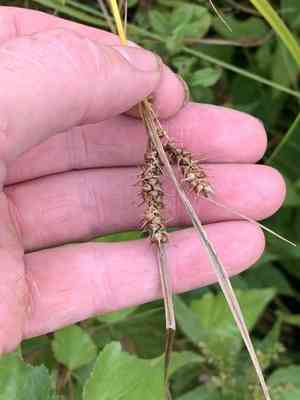
This enduring grass-like variety flourishes in damp, shaded environments. To ensure peak vitality, bailey's sedge benefits from trimming in the early spring or during winter. Eliminate aged, lifeless leaves at the plant's base to stimulate fresh development. Cutting should be kept to a minimum, concentrating on upkeep rather than altering its form. Pruning improves air movement, deters ailments, and preserves a pleasing look. Employ sharp, sanitized cutting tools for incisions to prevent harm and facilitate rapid recuperation.
What Are the Benefits of Pruning Bailey's Sedge?
What Are the Benefits of Pruning Bailey's Sedge?
Trimming bailey's sedge promotes robust development and helps preserve its desired form. Regular cutting eliminates dead foliage, fostering a denser, healthier plant more resistant to pests and diseases.
What Is the Best Time for Pruning Bailey's Sedge?
What Is the Best Time for Pruning Bailey's Sedge?
Pruning bailey's sedge in early spring and late winter is advantageous as it coincides with the plant's dormant phase, allowing for trimming without interrupting active growth. During dormancy, bailey's sedge stores energy in its roots, supporting vigorous growth once the growing season commences. Early spring pruning also aids in removing any winter-damaged or dead foliage, leading to a healthier plant structure. Furthermore, pruning before new growth starts ensures bailey's sedge can direct energy to developing new shoots, resulting in a denser and more appealing plant. Trimming in late winter minimizes disease risk since pathogens are less active in cold weather. It also offers the benefit of easily identifying which parts to prune when the plant's structure is more visible.
What Tools Do I Need to Prune Bailey's Sedge?
Hand Pruners
Bailey's sedge has a grass-like structure with fine foliage that may need routine trimming to remove dead or yellow leaves. Hand pruners, also known as secateurs, are perfect for precise cuts and can easily manage the thin leaves without harming surrounding healthy foliage.
Grass Shears
Grass shears are designed for cutting grass and soft, sedge-like foliage. Due to the clumping growth habit of bailey's sedge, grass shears can be used to shape the plant and trim edges neatly, enhancing the plantâs appearance without causing stress.
Long-Handled Pruning Shears
When bailey's sedge is planted in large groups or hard-to-reach spots, long-handled pruning shears make it simpler to access without bending, reducing back strain and allowing for a consistent trim across the sedge's growth area.
How to Prune Bailey's Sedge
Clean Tools
Before trimming bailey's sedge, ensure all pruning tools are properly disinfected to prevent disease spread. Use a solution of one part bleach to nine parts water to sanitize the blades.
Identify
Carefully inspect bailey's sedge to pinpoint diseased and withered leaves. Diseased leaves might show unusual coloring, spots, or deformities, while withered leaves will appear dried out and brown.
Cut Diseased Leaves
Using sharp pruning shears, remove diseased leaves by cutting them at their base where they meet the stem. Be careful not to damage healthy tissue.
Cut Withered Leaves
Trim withered leaves similarly, cutting at the leaf's base to remove it entirely. This helps improve air circulation and focuses the plant's energy on healthy growth.
Cleanup
After pruning, clear away all removed material from around bailey's sedge to deter pests and disease. Dispose of diseased material properly, away from healthy plants.
Common Pruning Mistakes with Bailey's Sedge
Over-Pruning
Cutting back too much of bailey's sedge can shock the plant and hinder its growth. This plant thrives with minimal trimming, so removing too many leaves or cutting too aggressively can be detrimental.
Too Frequent Pruning
Pruning bailey's sedge too often can lead to plant stress, reducing its vigor and potentially causing health issues.
Improper Tool Use
Using dull or dirty pruning tools can harm the stems of bailey's sedge and introduce disease. Always use clean, sharp tools.
Uneven Cuts
Making uneven cuts or tearing the foliage can damage bailey's sedge, leading to an unattractive appearance and potential infection sites.
Common Pruning Tips for Bailey's Sedge
Judicious Pruning
Prune bailey's sedge sparingly, focusing on removing only dead or damaged foliage to maintain the plant's health and shape.
Tool Care
Ensure that pruning tools are sharp and clean before using them on bailey's sedge to make clean cuts that will heal quickly.
Gradual Thinning
Thin out bailey's sedge gradually if necessary to improve air circulation. This should be done carefully so as not to remove too much foliage, which could expose the plant to sunburn.
Maintain Plant Shape
When pruning bailey's sedge, preserve its natural mounded shape. Avoid creating an artificial look or altering its growth habit too much, which can weaken the plant.



