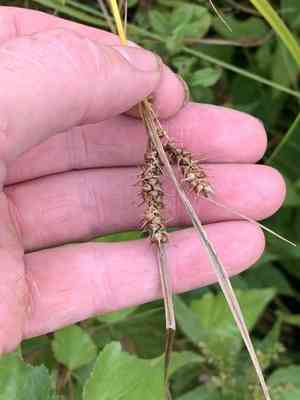
Bailey's sedge (Carex baileyi)
Also known as: Bailey's sedge
Bailey's sedge (Carex baileyi) is a perennial plant characterized by its narrow, grass-like leaves and its tendency to grow in dense clumps. It produces brownish flower spikes on its stems, typically in the spring. This sedge is commonly found in moist, wooded environments where its clumping growth habit plays a crucial role in soil stabilization, thus helping to prevent erosion. Its presence in the understory of its native habitat contributes significantly to ecosystem stability and diversity.
In This Article
Attributes of Bailey's sedge
Lifespan
Perennial
Plant Type
Grass
Plant Height
Around 1 to 2 feet
Spread
Not widely expanded or significant
Leaf Color
Green
Flower Size
Small, typically less than 0.5 inches
Flower Color
White Yellow Green Brown
Images of Bailey's sedge
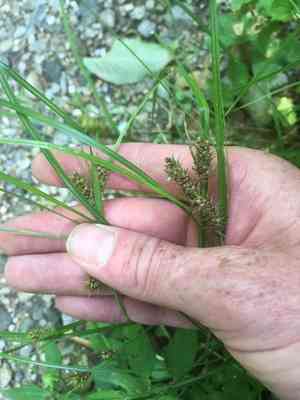
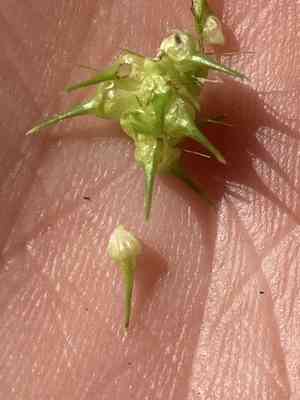
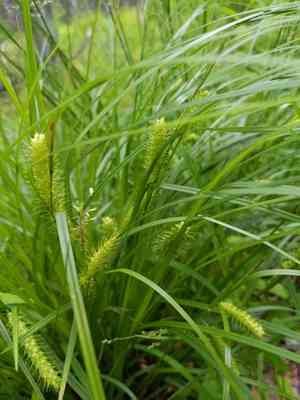
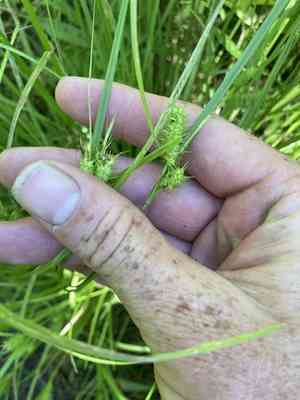
Quickly Identify Bailey's sedge
1
Identifying Carex baileyi involves recognizing its grass-like blades and dense tufts along with its preference for moist environments. The plant may also bear small, inconspicuous flower spikes.
Scientific Classification of Bailey's sedge
Phylum
Vascular plants
Class
Monocotyledons
Order
Poales
Family
Sedge
Genus
True sedges
Species
Bailey's sedge
Planting and Growing of Bailey's sedge
Care Difficulty
Easy
Watering Schedule
Every 4 days
Sunlight Requirements
Partial sun
Sunshine Duration
6-10 hours
Ideal Temperature
60-75℉
Soil Type
Potting Mix, Peat Mix
Soil pH
6.5-7.5
Fertilizer Type
Balanced
Pruning Season
Spring, Summer
Pruning Area
Branches, Leaves
Pruning Frequency
2 times a year
Repotting Season
Spring
Pot Type
Plastic, Ceramic
 How to Water Bailey's sedge?
For Carex baileyi, it's crucial to water enough to keep the soil consistently moist but not too soggy. Aim to use approximately 200 ml per watering session. Make sure water reaches the plant's root zone but drains well to prevent waterlogging.
What are the symptoms of an underwatered Bailey's sedge?
›
What should I do if my Bailey's sedge is not getting enough water?
›
What are the symptoms of an overwatered Bailey's sedge?
›
How to save an overwatered Bailey's sedge?
›
 What Are the Sunlight Requirements for Bailey's sedge?
Carex baileyi ideally benefits from partial sun to full shade, which aligns with its woodland origins. This light range supports healthy, vibrant foliage and promotes balanced moisture levels in the soil.
How much sun does Carex baileyi prefer?
›
How can you ensure Carex baileyi gets its ideal sunlight?
›
What benefits does Carex baileyi gain from ideal lighting?
›
 What Is the Ideal Temperature Range for Bailey's sedge?
The ideal temperature range for growing Carex baileyi is between 60 to 75 degrees Fahrenheit. This range provides optimal conditions for the plant to carry out essential physiological processes, such as photosynthesis and respiration, without being stressed by temperature extremes. Maintaining temperatures within this range helps promote healthy growth and development.
 What Soil is Best for Bailey's sedge?
Carex baileyi thrives in well-draining soil to prevent root rot. This is crucial for maintaining healthy root systems, which in turn support lush foliage. The soil should retain enough moisture to keep the plant hydrated without waterlogging. This balance ensures robust growth and resilience against drought. A nutrient-dense soil helps Carex baileyi develop strong, verdant blades. Ample nutrients in the soil facilitate photosynthesis and overall plant vigor.
 How to Fertilize Bailey's sedge?
Carex baileyi benefits from a balanced application of fertilizer, but moderation is key to avoid root burn. Generally, use half the recommended dosage for most ornamental plants to start. Opt for fertilizers with a balanced ratio of nitrogen (N), phosphorus (P), and potassium (K), such as 10-10-10. Adjust the amount depending on the plant’s response, ensuring not to exceed manufacturer guidelines.
 How to Prune Bailey's sedge?
Begin by assessing the plant to identify any dead, yellowing, or damaged leaves which should be the primary focus for removal during pruning. Using your tools, gently cut away the identified leaves at their base. Take care not to damage the healthy leaves surrounding them to promote a fuller and more lush plant. Post removal of damaged foliage, take a step back and analyze the shape of your Carex baileyi. Trim any unruly tufts to maintain a uniform and pleasing appearance.
More About Pruning Techniques→
 How to Propagate Bailey's sedge plant?
1
For seed propagation, collect seeds during late summer or autumn once they have matured. Ensure seeds are dry and store them in a cool, dry place until ready for planting.
2
In spring, carefully lift a mature Carex baileyi clump from the soil using a trowel. Gently shake off excess soil and use a sharp knife to divide the clump into smaller sections with roots attached.
3
Plant the divided sections into prepared soil, ensuring each division has enough space to grow. Water the newly planted divisions thoroughly and maintain consistent moisture until established.
 How to Repot Bailey's sedge plant?
1
Look for signs like roots growing out of drainage holes or the plant becoming top-heavy as indicators that the Carex baileyi needs repotting. Ideally, repot right after the growing season starts in spring to give it ample time to adjust.
2
Select a pot that's just one size larger than its current one to avoid excessive soil that can retain too much moisture. A pot with adequate drainage holes is essential for preventing root rot, ensuring that the plant maintains optimal health.
3
Opt for sandy, well-draining soil to replicate its natural environment, allowing water to flow through while retaining necessary nutrients. This prevents water-logging, which can lead to root disease, ensuring that Carex baileyi thrives.
Learn More About Bailey's sedge Diseases
Anthracnose
Bacterial Leaf Spot
Bacterial Soft Rot
Bacterial Wilt
Black Spot
Chemical Injury
Crown Gall
Cyst Nematode
Damping-off
Downy Mildew
Drought Stress
Fusarium Wilt
Gray Mold
Leaf Spot
Mosaic
Nutrient Deficiency
Nutrient Toxicity
Powdery Mildew
Root Rot
Root-knot Nematode
Rusts
Sooty Mold
Spider Mites
Temperature Stress
Thrips Damage
White Mold



