How to Transplant Back's sedge?
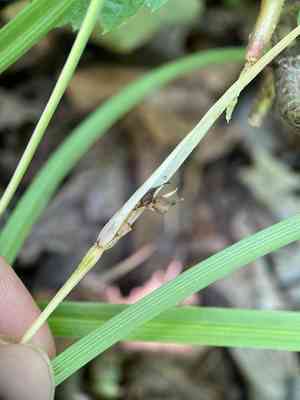
Back's sedge 1 flourishes when relocated from the beginning of spring through the initial part of summer, benefiting from ideal soil dampness and mild warmth. Select a spot offering partial to complete shade, since back's sedge 1 favors ground that drains effectively and is somewhat acidic to neutral.
What Preparations are Needed Before Transplanting Back's Sedge?
What is the Ideal Time for Transplanting Back's Sedge?
The best period for relocating back's sedge spans from early to late spring, extending into the initial part of summer. During this timeframe, the ground is manageable, temperatures are mild, and the plant can establish its root system prior to the summer heat. Moving it under these conditions boosts the growth and hardiness of back's sedge, ensuring a robust and thriving plant as the season progresses.
How Much Space Should You Leave Between Back's Sedge Plants?
When moving back's sedge, ensure each plant is spaced 12-18 inches (30-45 cm) apart. This provides ample room for root development and promotes good air circulation, which contributes to plant health.
What is the Best Soil Mix for Back's Sedge Transplanting?
For back's sedge, you'll need soil that drains well. Incorporate some organic compost or a balanced base fertilizer to enrich the soil before transplanting. This will supply vital nutrients and create a favorable environment for the roots.
Where Should You Relocate Your Back's Sedge?
Select a spot for back's sedge that receives full sun to partial shade. Aim for at least 4-6 hours of sunlight daily. This will help the plant flourish and produce abundant growth.
What Equipments Should You Prepare Before Transplantation Back's Sedge?
Gardening Gloves
To safeguard your hands while handling soil and plants.
Trowel
To excavate around the root ball for easy extraction from its original spot.
Shovel
For digging a new hole in the ground for the relocated plant.
Watering Can
To hydrate the plant and soil during and after the move.
Wheelbarrow
Useful for moving the plant, especially if it is large.
Pruning Shears
To trim any damaged roots or foliage prior to transplanting.
Mulch
To help retain soil moisture and inhibit weed growth after transplanting.
How Do You Remove Back's Sedge from the Soil?
How Do You Remove Back's Sedge from the Soil?
From Ground: First, irrigate the back's sedge plant to moisten the soil. Next, dig a wide trench around the plant using a shovel or spade, ensuring the plant's root ball remains intact. Carefully work the spade beneath the root ball to lift the plant from its initial location.From Pot: Water the back's sedge plant thoroughly before removal. Gently compress the sides of the pot to loosen the soil. Tilt the pot and carefully tap out the plant, supporting the root ball with your hand to prevent damage.From Seedling Tray: Water the seedlings to make the soil easier to manage. Use a small trowel or a spoon to gently lift each seedling from the tray, making sure to keep the roots undamaged. Hold the seedlings by the leaves to avoid harming the stems.
Step-by-Step Guide for Transplanting Back's Sedge
Site Preparation
Select a location with adequate sunlight and room for your back's sedge plant to reach its mature size. Ensure the soil drains well and is enriched with organic matter, if necessary.
Digging the Hole
Excavate a hole in the prepared site that is twice as wide and as deep as the root ball of your back's sedge plant. This allows the roots ample space to spread and establish quickly.
Placing the Plant
Position the back's sedge plant in the center of the hole, making sure the top of the root ball is level with the surrounding soil. Backfill the hole with soil, pressing down gently to remove air pockets.
Watering
After planting, thoroughly water the back's sedge plant to help settle the soil around the roots. Continue to water regularly to keep the soil moist but not waterlogged.
Mulching
Apply a layer of mulch around the base of the back's sedge plant to help conserve moisture and suppress weeds, but keep it a few inches away from the stem to prevent rot.
How Do You Care For Back's Sedge After Transplanting?
Watering
Keep the soil around the back's sedge consistently damp, but not saturated, for the initial weeks following transplanting to aid in developing strong roots.
Monitoring
Regularly inspect the back's sedge plant for indications of stress, such as wilting or yellowing leaves, and promptly address issues by adjusting watering or providing support.
Protection
If needed, provide temporary shade or windbreaks to shield the back's sedge plant from harsh weather conditions while it establishes itself.
Pruning
Trim any damaged or dead foliage to encourage new growth and enhance the plant's overall health.
Feeding
Once the plant is established, you can apply a balanced, slow-release fertilizer to support its growth, following the manufacturer's guidelines.
Troubleshooting Common Issues with Back's Sedge Transplantation.
When is the best time to transplant back's sedge?
Relocate back's sedge from early spring to late spring or early summer for optimal outcomes.
How much space should I leave between back's sedge plants?
An ideal spacing is 12-18 inches (30-45 cm) between each back's sedge to allow for proper growth.
What kind of soil is best for back's sedge?
Back's sedge thrives in well-drained, loamy soil rich in organic matter.
How do I prepare the soil before transplanting back's sedge?
Loosen the soil to a depth of 10 inches (25 cm) and incorporate compost for nutrients.
How much water does back's sedge need after transplanting?
Water regularly to keep the soil consistently moist but not waterlogged for the first few weeks.
Should I fertilize back's sedge during the transplanting process?
Apply a balanced, slow-release fertilizer during transplanting to support root establishment.
How do I protect back's sedge from transplant shock?
Keep back's sedge shaded for the first week and water consistently to minimize transplant shock.
What should I do if back's sedge looks wilted after transplanting?
Ensure adequate watering, provide temporary shade, and avoid fertilizing until back's sedge recovers.
Can I transplant back's sedge in late summer or fall?
Transplanting in late summer or fall is less ideal; early spring to early summer is recommended.
How deep should I plant back's sedge during transplantation?
Plant back's sedge at the same depth it was growing previously to encourage proper root growth.



