How to Prune Back's sedge?
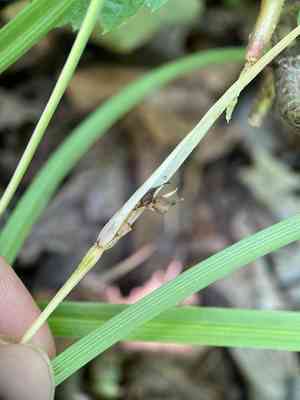
Carex retroflexa, a robust perennial grass, flourishes optimally with little upkeep. Essential trimming involves eliminating withered stalks and deceased leaves to foster more robust development and air circulation; this ought to be carried out in early spring or during winter, coinciding with inactive phases to lessen strain on Carex retroflexa. Since Carex retroflexa greatly benefits from this tidying, it stimulates energetic growth and averts illness by discarding potentially mold-ridden or pest-affected botanical material.
What Are the Benefits of Pruning Back's Sedge?
What Are the Benefits of Pruning Back's Sedge?
Trimming back's sedge promotes robust development and helps maintain its desired form. Regular cutting eliminates dead or overgrown branches, fostering healthier, denser foliage and improving the plant's overall structure.
What Is the Best Time for Pruning Back's Sedge?
What Is the Best Time for Pruning Back's Sedge?
Pruning back's sedge in early spring is optimal as it prepares the plant for new growth by removing old or dead foliage before its active growth phase begins. This timing encourages healthier, more vigorous growth during the growing season. Winter pruning is also advantageous since back's sedge is dormant, reducing plant stress and minimizing disease transmission risk. Additionally, the absence of foliage in winter offers clearer visibility, simplifying precise cuts and effective plant shaping.
What Tools Do I Need to Prune Back's Sedge?
Hand Pruners
Perfect for precise trimming of dead or overgrown foliage in back's sedge, ensuring clean cuts without harming delicate stems.
Grass Shears
Effective for shaping and maintaining the overall look of back's sedge, allowing for controlled cuts near ground level.
Garden Scissors
Useful for cutting through softer, finer textures of back's sedge, providing versatility for detailed pruning tasks.
How to Prune Back's Sedge
Identify
Regularly inspect back's sedge for indications of diseased or withered leaves. Look for discolored, spotted, or unusually textured leaves as signs of potential health issues.
Prepare
Gather the necessary tools for pruning back's sedge. Use clean, sharp scissors or pruning shears to ensure precise cuts and prevent damage to healthy plant parts.
Trim diseased
Carefully remove diseased leaves from back's sedge at their base where they connect to the stem or to a healthier leaf section. Ensure only affected parts are removed to prevent disease spread.
Trim withered
Remove withered leaves from back's sedge using the same tool. Withered leaves are typically dry and brittle, making them easier to spot and remove.
Dispose
Properly discard removed diseased and withered leaves by placing them in a garbage bag or burning them, if appropriate. Do not compost these leaves as they may harbor pathogens that could infect the compost or spread back to back's sedge.
Common Pruning Mistakes with Back's Sedge
Overpruning
A common error when pruning back's sedge is removing too much foliage at once. This can stress the plant, leading to reduced vigor and fewer leaves.
Improper cut locations
Cutting too far from the leaf node, or into old, unproductive wood of back's sedge, often results in poor regrowth and can leave unsightly stubs that may attract pests and diseases.
Using dull tools
Employing dull or unclean pruning tools can damage the stems of back's sedge, leading to jagged cuts that heal poorly and increase disease risk.
Common Pruning Tips for Back's Sedge
Clean cuts
Ensure you use sharp, clean pruning shears. Clean cuts heal faster, reducing disease risk and stress to back's sedge.
Selective pruning
Prune selectively by removing dead or overgrown foliage to improve air circulation and light penetration within back's sedge. This helps maintain a healthy plant structure.
Consider growth pattern
Understand the growth habit of back's sedge. It's crucial to prune according to the plant's natural shape and growth pattern to promote a more natural appearance and healthy growth cycles.



