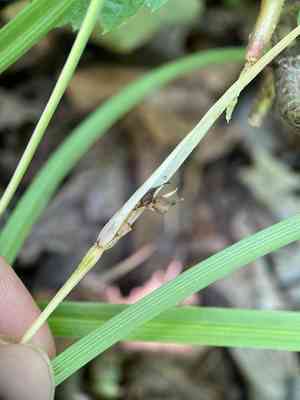
Back's sedge (Carex backii)
Also known as: Back's Sedge
Back's sedge (Carex backii), also known as Rocky Mountain sedge, is native to the United States and Canada. It typically thrives in shaded areas like forest floors, shaded slopes, and shrub thickets. This sedge blooms during the spring and bears fruit in the summer.
In This Article
Attributes of Back's sedge
Lifespan
Perennial
Plant Type
Grass
Plant Height
5 cm to 25 cm
Spread
N/A
Leaf Color
Green
Flower Size
Small, <1 cm
Flower Color
White Yellow Brown
Images of Back's sedge
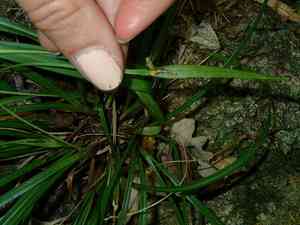
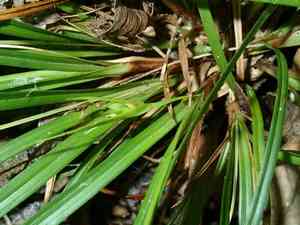
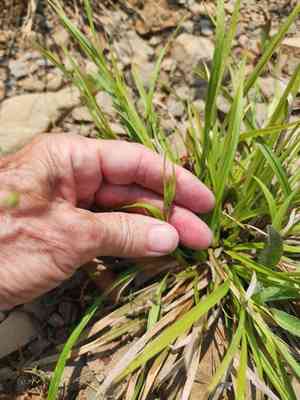
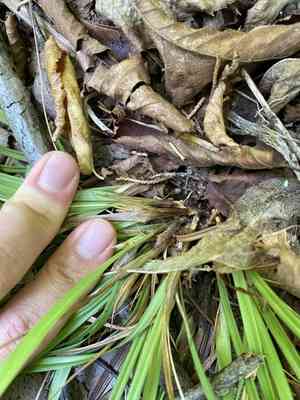
Quickly Identify Back's sedge
1
Carex backii can be identified by its dense clumps, slender green stems, and narrow leaves. The plant produces small, inconspicuous flowers and has a distinctive carex-style inflorescence.
Scientific Classification of Back's sedge
Phylum
Vascular plants
Class
Monocotyledons
Order
Poales
Family
Sedge
Genus
True sedges
Species
Back's sedge
Planting and Growing of Back's sedge
Care Difficulty
Easy
Watering Schedule
Every 2 days
Sunlight Requirements
Partial sun
Sunshine Duration
6-12 hours
Ideal Temperature
59-77℉
Soil Type
Potting Mix, Peat Mix
Soil pH
6.5-7.5
Fertilizer Type
Balanced
Pruning Season
Spring, Summer
Pruning Area
Branches, Leaves
Pruning Frequency
2 times a year
Repotting Season
Spring
Pot Type
Plastic, Ceramic
 How to Water Back's sedge?
When watering Carex backii, the soil should be kept evenly moist but never waterlogged. Ensure enough water is added such that the moisture penetrates about 1-2 inches deep, mimicking its natural forest floor habitat.
What are the symptoms of an underwatered Back's sedge?
›
What should I do if my Back's sedge is not getting enough water?
›
What are the symptoms of an overwatered Back's sedge?
›
How to save an overwatered Back's sedge?
›
 What Are the Sunlight Requirements for Back's sedge?
Partial sunlight is best for Carex backii, ensuring it receives enough warmth and light for optimal photosynthesis. Ideal lighting enhances growth, coloration, and resistance to pests and diseases.
What is the ideal sunlight exposure?
›
What solutions ensure ideal lighting?
›
What are the benefits of ideal lighting?
›
 What Is the Ideal Temperature Range for Back's sedge?
Carex backii thrives when grown in environments where the temperature remains between 59°F to 77°F. This temperature range facilitates optimal physiological activities, ensuring robust growth and development. Maintaining these conditions results in vibrant foliage and healthy plant structure.
 What Soil is Best for Back's sedge?
Carex backii thrives in well-drained soils that allow water to pass through easily. This prevents root rot and encourages healthy root development, leading to a robust and vibrant plant. While this sedge prefers not to be waterlogged, it does require moderate moisture. Consistent moisture levels help maintain lush, green foliage and support the plant’s natural growth cycle. Incorporating organic matter into the soil can enhance fertility, providing essential nutrients for Carex backii. This enriches the soil structure, promoting strong growth and overall plant health.
 How to Fertilize Back's sedge?
For Carex backii, the fertilizer amount should be moderate to avoid any adverse effects on growth. A balanced liquid fertilizer should be mixed at half-strength with water. For solid fertilizers, one should apply a controlled-release granular fertilizer at the rate suggested on the package, which usually accounts for soil composition and plant size.
 How to Prune Back's sedge?
Begin by identifying brown or overgrown portions of the plant. Focusing on these areas will not only enhance the aesthetic appeal but also priorize the plant's energy for new growth. While trimming, cut the leaves at a 45-degree angle. This allows water to run off, reducing the risk of rot and fungal diseases developing in the cut areas. During pruning, take the opportunity to inspect the plant for any signs of pests or disease. Early detection helps manage and prevent bigger issues that might affect the entire garden.
More About Pruning Techniques→
 How to Propagate Back's sedge plant?
1
Select a healthy, mature Carex backii plant for division. Well-established plants ensure vigorous new growth. Avoid plants with visible diseases or pests.
2
Carefully dig around the plant to access its roots, then gently lift it out of the ground. Use the garden knife to separate the roots into groups, each with a healthy shoot and root system.
3
Replant the separated divisions into prepared soil at the same depth as the original plant. Water thoroughly to help the divisions establish themselves in their new location.
 How to Repot Back's sedge plant?
1
Carex backii typically shows signs that it's ready for repotting when the roots start to emerge from the drainage holes or when the plant shows stunted growth. Ideally, repot during early spring or early autumn when the plant is not in active growth, which helps it acclimatize better to the new environment.
2
Select a pot that is slightly larger than the current one, ideally 1-2 inches bigger in diameter. A pot that's too large can lead to water retention issues, causing root rot. The chosen pot should have good drainage holes to prevent waterlogging, which is crucial for the health of Carex backii.
3
A well-draining potting mix is essential as it allows for proper air circulation around the roots and prevents the soil from becoming overly saturated. Look for a mix that contains components like peat moss, perlite, or sand, offering both moisture retention and good drainage.
Learn More About Back's sedge Diseases
Anthracnose
Bacterial Leaf Spot
Bacterial Soft Rot
Chemical Injury
Cyst Nematode
Damping-off
Downy Mildew
Drought Stress
Fusarium Wilt
Gray Mold
Leaf Spot
Mosaic
Nutrient Deficiency
Nutrient Toxicity
Powdery Mildew
Root Rot
Root-knot Nematode
Rusts
Sooty Mold
Spider Mites
Temperature Stress
Thrips Damage
White Mold



