How to Transplant Crimson-seeded sedge?
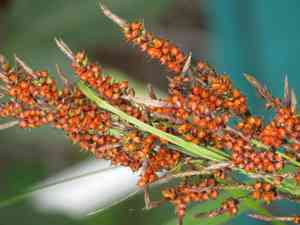
Relocate crimson-seeded sedge during the early spring awakening or when autumn's coolness arrives, facilitating robust root development. Select a location that replicates its native, damp woodland environment. Careful handling enhances its ability to recover. These methods for minimizing stress are crucial for a successful transplant.
Essential Preparations Before Relocating Crimson-seeded Sedge?
When is the Optimal Period for Moving Crimson-seeded Sedge?
Relocating crimson-seeded sedge during the onset of spring warmth or the cool period of autumn is ideal for robust establishment, avoiding intense summer heat or freezing winter conditions.
What is the Recommended Spacing Between Crimson-seeded Sedge Plants?
When moving crimson-seeded sedge, allow sufficient room for each plant to thrive. A distance of approximately 15-20 cm (6-8 inches) between them is optimal. This ensures ample space for growth without competition for nutrients or light.
What is the Best Soil Mixture for Crimson-seeded Sedge Relocation?
For crimson-seeded sedge, prepare soil abundant in organic matter. Loamy soil is highly effective for these plants. Incorporate some aged compost or a balanced slow-release fertilizer to provide a nutritious start for your transplanted specimens.
Where Should You Replant Your Crimson-seeded Sedge?
Choose a location for crimson-seeded sedge where it will receive filtered sunlight or partial shade, as it flourishes with less intense sun exposure. An area that gets morning sun and afternoon shade would be perfect for its establishment.
What Tools Should You Prepare Before Relocating Crimson-seeded Sedge?
Gardening Gloves
To safeguard your hands while handling soil and plants.
Spade or Shovel
For excavating the plant from its original spot and preparing the new planting site.
Pruning Shears
To trim any damaged roots or foliage.
Watering Can or Hose
To hydrate the plant before and after its move.
Wheelbarrow or Plant Trolley
To transport the plant if it's too heavy or large to carry safely.
Mulch
To help maintain soil moisture and stabilize temperature around the root zone after relocation.
How Do You Extract Crimson-seeded Sedge from the Ground?
How Do You Extract Crimson-seeded Sedge from the Ground?
From Ground: Moisten the soil around the crimson-seeded sedge plant to facilitate removal. Dig a wide trench around the plant using a spade or shovel, being careful not to cut any roots. Gently work your way under the root ball and carefully lift the entire plant.From Pot: Incline the pot and gently tap its sides to loosen the root ball. Firmly grasp the base of the crimson-seeded sedge plant and carefully slide it out of the container. Inspect the roots and remove any that are circling or excessively long.From Seedling Tray: Water the seedling tray to dampen the soil, ensuring it's not overly saturated. Use a dibber or a small stick to carefully lift the crimson-seeded sedge seedling from its cell, taking care not to harm its roots or stem.
Step-by-Step Guide for Relocating Crimson-seeded Sedge
Preparation
Ensure all necessary tools and equipment are ready before commencing the relocation process.
Root Ball Care
Handle the root ball of crimson-seeded sedge with care to minimize plant stress. Keep as much soil attached to the roots as possible during the move.
Plant Hole
Excavate a hole in the new spot that is twice as wide but the same depth as the root ball. This provides crimson-seeded sedge roots ample room to expand.
Positioning
Place crimson-seeded sedge in the center of the hole at its original growing depth. Backfill the hole with soil, gently firming it around the plant to eliminate air pockets.
Watering
Thoroughly water the crimson-seeded sedge after planting to settle the soil and hydrate the roots. Continue regular watering as needed to keep the soil moist, but avoid overwatering.
How Do You Care For Crimson-seeded Sedge After Relocation?
Root Care
Provide crimson-seeded sedge with consistent moisture as it adjusts to its new environment. Avoid stepping or pressing on the soil around the roots to prevent compaction.
Mulching
Apply a layer of mulch around the base of crimson-seeded sedge to help retain soil moisture and temperature, being careful not to pile it against the plant's stem.
Monitoring
Closely observe crimson-seeded sedge for signs of relocation shock, such as wilting or discolored leaves, and take corrective measures if necessary.
Pruning
Remove any damaged or dead foliage to help crimson-seeded sedge conserve energy for root establishment and new growth.
Addressing Common Issues with Crimson-seeded Sedge Relocation.
What's the best time to relocate crimson-seeded sedge?
Ideal relocation times are late spring to mid-summer or from late fall to early winter, to avoid extreme temperatures.
How much space does crimson-seeded sedge need when relocating?
Plant crimson-seeded sedge with 6-8 inches (15-20 cm) between them to ensure proper growth and air circulation.
Why is my crimson-seeded sedge not thriving after relocation?
Ensure it was planted at the same soil depth as before and its roots were undamaged during the process.
Should I water crimson-seeded sedge immediately after relocating?
Yes, water gently but thoroughly to settle the soil around the roots and aid in recovery.
How do I prepare the soil for relocating crimson-seeded sedge?
Amend the soil with compost to ensure it is rich, moist, and well-draining before relocation.
What sunlight conditions are ideal for crimson-seeded sedge after relocating?
Place crimson-seeded sedge in an area where it will receive partial to full sunlight, depending on your climate.
Can I use fertilizer when relocating crimson-seeded sedge?
Wait a few weeks post-relocation before applying a balanced, slow-release fertilizer to prevent root burn.
Why do the leaves of crimson-seeded sedge look wilted after relocating?
Wilted leaves can indicate relocation shock. Keep the soil moist and initially avoid direct sunlight.
How do I choose a relocation site for crimson-seeded sedge?
Select a location with appropriate sunlight, moisture, and well-draining soil to match crimson-seeded sedge's natural environment.
Is mulch beneficial for crimson-seeded sedge after relocating?
Yes, mulching helps retain moisture and regulate soil temperature, assisting in crimson-seeded sedge's recovery and growth.



