The Crimson-seeded sedge Plant Advantage: Maximizing Home and Office Appeal and Wellness
1
This sedge variety is adaptable and flourishes in diverse settings.
2
It contributes to better soil health and guards against soil loss.
3
Its distinct hues enhance the visual appeal of outdoor spaces.
Why Crimson-seeded Sedge is a Garden Essential
Versatility Across Environments
A primary reason Crimson-seeded sedge is highly recommended for gardens is its remarkable adaptability. This plant flourishes in diverse environmental conditions, from damp, shaded spots to sunny, well-drained areas. Its resilience to varying temperatures and soil types makes it an excellent option for gardeners seeking a low-maintenance yet appealing plant for their collection.
Soil Enhancement and Erosion Prevention
Another significant advantage of Crimson-seeded sedge is its capacity to improve soil quality. The plantâs extensive root system helps stabilize the soil, preventing erosion, particularly on slopes and other vulnerable sites. Furthermore, Crimson-seeded sedge boosts soil fertility by increasing its organic matter content. This leads to healthier, more productive soil capable of supporting various other plants.
How Crimson-seeded Sedge Boosts Biodiversity
Support for Pollinators and Wildlife
Crimson-seeded sedge plays a vital role in enhancing biodiversity within garden ecosystems. The plant provides a habitat for various pollinators like butterflies, bees, and other beneficial insects. These pollinators are crucial for the health and productivity of many garden plants. Additionally, Crimson-seeded sedge offers shelter and a food source for small wildlife, fostering a balanced and thriving garden ecosystem.
Encourages Plant Variety
By incorporating Crimson-seeded sedge into your garden, you can foster greater plant diversity. This plant's compatibility with a wide range of other flora enables gardeners to create rich, multi-layered landscapes. Increased plant diversity not only makes your garden more visually appealing but also enhances its resistance to pests and diseases. A biodiverse garden is a healthier and more sustainable garden.
What Aesthetic Advantages Does Crimson-seeded Sedge Offer?
Distinctive Color and Texture
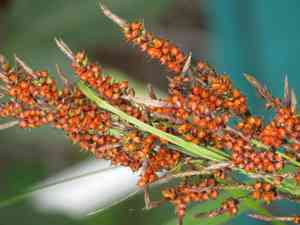
Crimson-seeded sedge is renowned for its striking visual characteristics. Its unique coloration, ranging from deep green to a vibrant crimson, can add a lively touch to any landscape. The plant's texture also provides an interesting contrast when paired with other garden plants. This blend of color and texture makes Crimson-seeded sedge a prominent feature in ornamental gardens and landscape designs.
Flexible Landscaping Applications
The versatility of Crimson-seeded sedge extends to its use in various landscaping designs. It can be utilized as a ground cover, in borders, or as an accent plant in garden beds. Its low-growing habit makes it perfect for creating lush, green carpets that can soften hardscape elements like pathways and walls. Additionally, Crimson-seeded sedge's attractive seed heads add a unique element to garden compositions, making it a popular choice among landscape designers.
Caring for Crimson-seeded Sedge in Your Garden
Planting and Watering Guidelines
Caring for Crimson-seeded sedge is relatively simple, making it an excellent choice for both new and experienced gardeners. When planting, it's crucial to select a location that aligns with the plant's light and moisture preferences. While Crimson-seeded sedge can tolerate various conditions, it thrives best in areas with consistent moisture and partial shade. Regular watering, especially during dry periods, will help maintain its vibrant appearance and overall health.
Pruning and Upkeep
Pruning Crimson-seeded sedge is generally minimal, involving the removal of any dead or damaged foliage to maintain its tidy appearance. This can be done in late winter or early spring before new growth emerges. Additionally, occasional thinning of the plant can prevent overcrowding and promote better air circulation. By following these simple maintenance tips, you can ensure that Crimson-seeded sedge remains a healthy and attractive part of your garden for years to come.
Can Crimson-seeded Sedge Be Used in Ecological Restoration?
Rehabilitating Natural Habitats
Given its resilience and ecological benefits, Crimson-seeded sedge is an excellent candidate for ecological restoration projects. This plant can be used to rehabilitate natural habitats that have been degraded or disturbed. Its ability to stabilize soil and improve soil quality makes it an ideal choice for reforestation and habitat restoration efforts. By planting Crimson-seeded sedge in such projects, we can contribute to the recovery of ecosystems and support biodiversity.
Combating Soil Degradation
One of the most significant ecological advantages of Crimson-seeded sedge is its capacity to combat soil erosion. In areas prone to erosion, such as riverbanks and coastal regions, planting Crimson-seeded sedge can offer a natural solution for soil stabilization. Its extensive root system binds the soil, reducing the risk of erosion and protecting water quality by preventing sediment runoff. This makes Crimson-seeded sedge a valuable asset in environmental conservation efforts.



