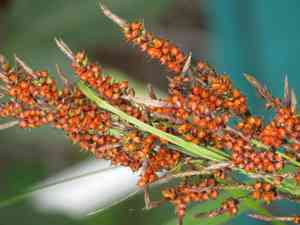
Crimson-seeded sedge (Carex baccans)
Also known as: Red-fruited Sedge
Crimson-seeded sedge is a perennial, grass-like plant known for its tufted growth pattern. Its slender, green leaves can take on striking colors in the fall. This sedge produces small, berry-like fruits that are key for identification and add visual interest through winter. It flourishes in damp, shaded areas, offering significant ecological benefits by supporting diverse wildlife in its habitat.
In This Article
Attributes of Crimson-seeded sedge
Lifespan
Perennial
Plant Type
Grass
Plant Height
80 cm to 1.5 m
Spread
60 cm
Leaf Color
Green
Flower Size
10 cm to 35 cm
Flower Color
Brownish
Images of Crimson-seeded sedge
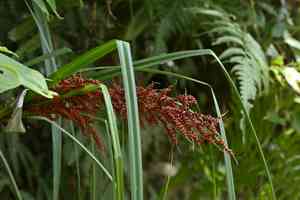
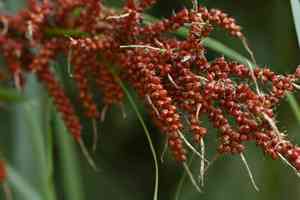
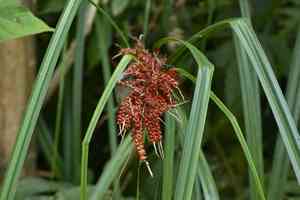
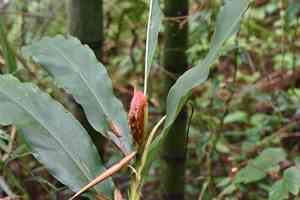
Quickly Identify Crimson-seeded sedge
1
Identifying Carex baccans involves looking for its unique red fruits which set it apart from other sedges. Additionally, noting its preference for wet habitats and the characteristic triangular stems can aid in identification.
Scientific Classification of Crimson-seeded sedge
Phylum
Vascular plants
Class
Monocotyledons
Order
Poales
Family
Sedge
Genus
True sedges
Species
Crimson-seeded sedge
Planting and Growing of Crimson-seeded sedge
Care Difficulty
Hard
Watering Schedule
Every 4 days
Sunlight Requirements
Partial sun
Sunshine Duration
4-8 hours
Ideal Temperature
65-75℉
Soil Type
Potting Mix, Peat Mix
Soil pH
6.5-7.5
Fertilizer Type
Balanced
Pruning Season
Spring, Summer
Pruning Area
Branches, Leaves
Pruning Frequency
2 times a year
Repotting Season
Spring
Pot Type
Plastic, Ceramic
 How to Water Crimson-seeded sedge?
The watering amount for Carex baccans should be enough to moisten the topsoil thoroughly without waterlogging. Ensure around 250ml of water is applied each time, focusing on maintaining a consistently moist but not soggy condition.
What are the symptoms of an underwatered Crimson-seeded sedge?
›
What should I do if my Crimson-seeded sedge is not getting enough water?
›
What are the symptoms of an overwatered Crimson-seeded sedge?
›
How to save an overwatered Crimson-seeded sedge?
›
 What Are the Sunlight Requirements for Crimson-seeded sedge?
Partial sun provides Carex baccans with enough light to thrive healthily while preventing issues associated with full, direct sunlight. This light range supports robust grows and vivid foliage color.
What is the best location for Carex baccans?
›
How can I ensure ideal sunlight for Carex baccans?
›
What are the benefits of providing ideal light to Carex baccans?
›
 What Is the Ideal Temperature Range for Crimson-seeded sedge?
For optimal growth, Carex baccans should be cultivated in an environment where the temperature ranges from 65°F to 75°F. This range supports healthy growth and avoids stress on the plant, ensuring robust foliage and optimal development.
 What Soil is Best for Crimson-seeded sedge?
Carex baccans thrives in well-drained soil that prevents waterlogging, ensuring that the roots receive adequate oxygen and remain healthy. This condition significantly reduces the risk of root rot and helps the plant to establish robust growth. While not highly demanding, Carex baccans benefits from soil with moderate fertility, which provides essential nutrients for healthy leaf development and growth. This balanced nutrient availability supports vibrant, lush foliage. This plant prefers soils that retain some moisture without becoming soggy, aiding in maintaining hydration during dry spells. Consistent moisture supports sustained growth and prevents stress from drought conditions.
 How to Fertilize Crimson-seeded sedge?
Carex baccans prefers a balanced approach when it comes to fertilizer amounts. For liquid fertilizers, a concentration of approximately 1/4 strength of a balanced (e.g., 10-10-10) fertilizer solution is recommended. For slow-release fertilizers, use about 50 grams per square meter, ensuring even distribution around the plant's base.
 How to Prune Crimson-seeded sedge?
When pruning Carex baccans, use sharp and clean pruning shears to trim away any dead or discolored leaves. Start from the base of the plant and work your way up, removing no more than a third of the foliage at a time. This ensures that the plant retains enough foliage for photosynthesis while promoting new growth. To maintain the attractive shape of Carex baccans, regularly check the plant for any overgrown or unruly stems. Trim them back to keep a uniform appearance. This is particularly important in landscaped gardens or when used as a border plant. Remember to step back and assess your progress to avoid over-pruning.
More About Pruning Techniques→
 How to Propagate Crimson-seeded sedge plant?
1
Collect seeds from mature Carex baccans plants and clean them of any debris. Allow seeds to dry properly before planting to prevent mold growth.
2
Sow seeds in a seed tray filled with moist, well-drained soil. Lightly cover them with soil and maintain moisture through misting, avoiding oversaturation.
3
Dig around the base of mature Carex baccans plants in early spring. Gently lift the plant and use a sharp knife to divide the root ball. Ensure each division has roots and shoots.
 How to Repot Crimson-seeded sedge plant?
1
Carex baccans needs repotting when you notice roots emerging from drainage holes or circling on the soil surface. This is a clear signal that the plant has outgrown its current pot. Additionally, if the growth of the plant appears stunted despite regular care, it could mean the roots need more space. Spring and autumn are ideal times because the plant is actively growing during these periods, which helps it recover from the repotting shock more effectively.
2
Select a pot that is 1-2 inches larger in diameter than the current one. This ensures the roots have enough room to grow without feeling cramped but are not so large that the plant struggles to fill the space. A pot with good drainage is crucial to prevent waterlogging, which can lead to root rot. The material can be clay or plastic depending on your preference, but each has its benefits such as clay being porous and allowing soil to breathe.
3
Use a well-draining loamy soil mix ideal for Carex baccans because it retains necessary moisture while allowing excess to drain away. This balance prevents the roots from becoming waterlogged, providing the perfect aeration to encourage healthy root growth and plant development. Adding perlite or sand can improve the drainage capabilities, offering extra benefits to the plant's health.



