How to Prune Crimson-seeded sedge?
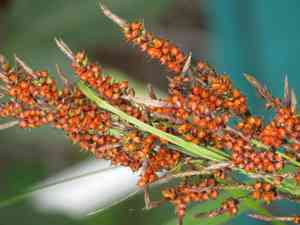
This enduring grass-like botanical, featuring scarlet seeds, flourishes with infrequent trimming. To sustain the vitality of crimson-seeded sedge, remove any deceased or discolored leaves in the early spring or during winter. Performing this maintenance during these inactive phases stimulates robust new development and preserves an appealing look. Trimming also facilitates improved air movement, which can diminish the likelihood of ailments. Sever the foliage near the soil level with sharp cutting tools, guaranteeing neat and accurate incisions for peak plant well-being.
What Are the Benefits of Pruning Crimson-seeded Sedge?
What Are the Benefits of Pruning Crimson-seeded Sedge?
Trimming crimson-seeded sedge promotes more robust development by reallocating energy to strong shoots and preserving its desired form for visual appeal and garden space management.
What Is the Best Time for Pruning Crimson-seeded Sedge?
What Is the Best Time for Pruning Crimson-seeded Sedge?
Pruning or trimming crimson-seeded sedge in early spring aligns with the plant's preparation for new growth. At this time, crimson-seeded sedge is emerging from dormancy and is less vulnerable to stress. Removing dead or damaged leaves before new shoots appear allows the plant to direct its energy into producing healthy growth. Winter pruning is also beneficial as crimson-seeded sedge has entered dormancy, meaning there is minimal sap flow and a reduced risk of attracting pests or disease. Pruning during dormancy helps maintain the plant's health and shape without disrupting its growth cycle or flowering period.
What Tools Do I Need to Prune Crimson-seeded Sedge?
Hand Pruners
Crimson-seeded sedge typically grows as a perennial grass-like plant. Hand pruners are perfect for cutting back dead or yellow leaves, and for trimming edges to maintain the plant's shape. They allow precise cuts without harming surrounding foliage.
Grass Shears
For larger clumps or if you need to shape crimson-seeded sedge more extensively, grass shears can be useful. Their long blades make it easier to cut uniformly and maintain a clean edge along the plant's border.
Pruning Saw
If crimson-seeded sedge has developed thicker, tougher stems or is severely overgrown, a small pruning saw may be necessary. It will cut through larger plant material that hand pruners and shears cannot handle, though its use should be limited to areas where finer tools are ineffective.
How to Prune Crimson-seeded Sedge
Clean tools
Before beginning the pruning process, sterilize your pruning tools to prevent the spread of disease. Clean the blades with a bleach or alcohol solution.
Identify targets
Examine crimson-seeded sedge to locate diseased and withered leaves. These are the parts that will need to be removed to help the plant maintain its health and vigor.
Sterilize cutting area
If you're dealing with diseased leaves, sterilize the blades of your pruning tools with alcohol or a household disinfectant between cuts to prevent contaminating healthy parts.
Trim diseased leaves
Using sharp pruning shears, carefully trim away the diseased leaves at the base where they meet the stem or the soil, taking care not to damage crimson-seeded sedge's healthy tissue.
Remove withered leaves
Trim withered leaves by cutting them at the base as well to keep crimson-seeded sedge looking neat and to encourage new growth. Dispose of diseased and withered foliage properly to prevent disease spread.
Common Pruning Mistakes with Crimson-seeded Sedge
Over pruning
Removing too much foliage can stress crimson-seeded sedge, leading to poor growth and reduced vigor. Aim to trim no more than one-third of the plant at a time.
Improper tool use
Using dull or dirty pruning tools can result in jagged cuts and potential infection in crimson-seeded sedge. Always use sharp, clean tools to make clean cuts.
Pruning healthy tissue
Pruning healthy growth instead of just dead or diseased foliage can limit crimson-seeded sedge's growth and aesthetic appeal. Target only the parts of the plant that need removal.
Neglecting debris cleanup
Leaving cut foliage on or around crimson-seeded sedge can encourage pests and diseases. After pruning, clean up all debris to maintain plant health.
Common Pruning Tips for Crimson-seeded Sedge
Sharp clean cuts
Ensure cuts are sharp and clean to promote quick healing and prevent disease entry in crimson-seeded sedge.
Remove dead foliage
Focus on removing dead or yellowing foliage from crimson-seeded sedge to allocate more energy to healthy growth and maintain a tidy plant appearance.
Pruning density
Thin out dense areas to increase sunlight penetration and air circulation within crimson-seeded sedge's foliage, which can decrease the incidence of disease.
Reshaping plant
When pruning crimson-seeded sedge for shape, do so gradually and step back frequently to check the overall form, ensuring a natural and appealing shape is maintained.



