How to Transplant Golden sedge?
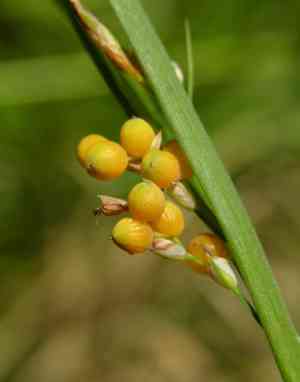
The optimal period for relocating golden sedge spans from early spring through mid-summer, leveraging its vigorous development. Select a location featuring damp earth and dappled sunlight. Careful manipulation of the root structure improves its successful integration.
What Preparations are Needed Before Transplanting Golden Sedge?
What is the Ideal Time for Transplanting Golden Sedge?
The best time to move golden sedge is during its active growth phase, from late spring's mild conditions to the peak of midsummer. This period aligns with golden sedge's natural cycle, promoting strong root growth and adaptation. Utilizing this favorable window ensures golden sedge's vigor, leading to a smooth relocation and flourishing beauty in its new spot. Your garden will benefit from a successful transplant during this time of lush potential.
How Much Space Should You Leave Between Golden Sedge Plants?
When rehousing your golden sedge, aim for a spacing of approximately 6-12 inches (15-30 cm) between plants. This adequate room allows each plant to flourish without competing for essential nutrients or sunlight!
What is the Best Soil Mix for Golden Sedge Transplanting?
Your golden sedge will flourish in soil that drains well and is loamy. Before planting, gently mix in some slow-release granular fertilizer to provide your golden sedge with a nutritional boost. Healthy roots lead to a happy plant!
Where Should You Relocate Your Golden Sedge?
Choose a location for your golden sedge where it can enjoy partial to full sunlight. An ideal spot would receive morning sun and afternoon shade, allowing your golden sedge to thrive without excessive direct heat!
What Equipments Should You Prepare Before Transplantation Golden Sedge?
Gardening Gloves
To safeguard your hands when handling soil and golden sedge.
Shovel or Spade
For excavating the plant and preparing the new planting site.
Garden Fork
To loosen the soil around the golden sedge without harming its roots.
Watering Can or Hose
For hydrating the golden sedge before and after its relocation.
Wheelbarrow or Garden Cart
To move the golden sedge from one spot to another.
Pruning Shears
To trim any damaged roots or foliage.
Mulch
To help maintain soil moisture after the transplant.
Stakes or Plant Supports
If the golden sedge requires stabilization in its new position.
How Do You Remove Golden Sedge from the Soil?
How Do You Remove Golden Sedge from the Soil?
From Ground: First, hydrate the golden sedge plant to moisten the soil. Next, excavate a wide trench around the plant using a shovel or spade, ensuring the plant's root ball remains intact. Carefully work the spade beneath the root ball to lift the plant from its original spot. Use your hands or a garden fork to loosen the soil and gently raise the plant.From Pot: Water the golden sedge in its container to facilitate the root ball's removal. Tilt the pot sideways and gently tap or squeeze the sides to dislodge the golden sedge. Grasp the base of the golden sedge and carefully slide it out of the pot, keeping as much soil around the roots as possible.From Seedling Tray: Water the tray to ensure the soil is damp. Use a spoon or a small gardening tool to gently lift the soil surrounding the golden sedge seedling. Gently hold the seedling by its leaves, not the stem, and lift it from the tray.
Step-by-Step Guide for Transplanting Golden Sedge
Preparing the New Site
Choose a suitable location for the golden sedge, considering that spacing, soil type, and sunlight needs have been previously determined.
Digging the Hole
Excavate a hole in the new spot that is twice the width of the root ball and of equal depth, so the golden sedge will sit at its original level.
Placing the golden sedge
Position the golden sedge in the center of the hole, carefully spreading its roots. Adjust the plant so it stands upright.
Refilling the Hole
Backfill the hole with soil, gently firming it down to remove air pockets. Ensure the golden sedge is stable and at the correct depth.
Watering Thoroughly
Water the golden sedge deeply immediately after planting, which will help settle the soil and eliminate air gaps around the roots.
Mulching
Apply a layer of mulch around the base of the golden sedge, but not touching the stems, to help retain moisture and regulate soil temperature.
Staking if Necessary
If the golden sedge shows signs of leaning or instability, provide stakes or plant supports to keep it upright.
How Do You Care For Golden Sedge After Transplanting?
Initial Watering
Water the golden sedge generously right after transplanting and maintain moist soil for several weeks to encourage root development.
Assessing Growth
Observe the golden sedge over the subsequent weeks, looking for signs of new growth, which indicates a successful transplant.
Ongoing Maintenance
Continue to water and care for the golden sedge as you normally would, based on its specific requirements, excluding immediate fertilization after transplanting as this is covered elsewhere.
Addressing Issues
Address any transplant shock or problems such as wilting or leaf discoloration with appropriate care, like adjusting watering habits or providing shade.
Troubleshooting Common Issues with Golden Sedge Transplantation.
What's the optimal transplant season for golden sedge?
Choose late spring to mid-summer, allowing golden sedge ample time to establish before winter arrives.
How far apart should I space golden sedge when transplanting?
Space golden sedge approximately 6-12 inches (15-30 cm) apart for optimal growth and air circulation.
Why are my transplanted golden sedge plants wilting?
Post-transplant wilting may indicate shock. Keep the soil moist and temporarily shield from intense sunlight.
How deep should I plant golden sedge root balls?
Plant root balls at the same depth they were previously growing to avoid root stress.
Can I transplant golden sedge on a hot, sunny day?
Transplant on an overcast day or in the evening to minimize transplant shock and sun damage.
My golden sedge is not thriving post-transplant. What could be the reason?
Check if roots are constricted and adjust the planting hole. Also, ensure the soil drains effectively.
How much should I water golden sedge after transplanting?
Water thoroughly after transplanting, then consistently to keep the soil uniformly moist, but not waterlogged.
What soil type is best for transplanting golden sedge?
Utilize fertile, well-draining soil, rich in organic matter, to foster healthy root development.
Should I use fertilizer when transplanting golden sedge?
Wait 4-6 weeks before fertilizing to prevent burning new roots; instead, use compost to enrich the soil.
Can I transplant golden sedge without full sun exposure?
Yes, while golden sedge enjoys full sun, it can also flourish in partial shade, especially in warmer climates.



