How to Prune Golden sedge?
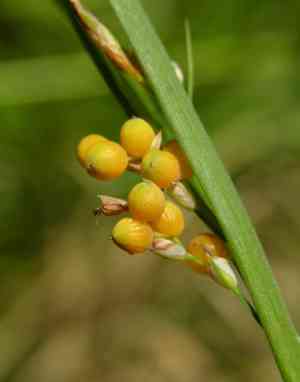
This perennial, which forms dense clusters, is recognized for its decorative grass-like leaves and bright yellow-green blossoms. For golden sedge, strategic trimming guarantees robustness and visual attractiveness. Remove withered or aged foliage in early spring prior to the emergence of new shoots. Throughout the summer, excise any discolored or impaired leaves. In autumn, trimming is minor but can involve shaping. Pruning stimulates new development, preserves its shape, and deters self-propagation if executed before seeds mature. Trimming ought to be precise, upholding the plant's inherent mounded structure.
Advantages of Trimming Golden Sedge
Advantages of Trimming Golden Sedge
Trimming golden sedge promotes robust development and maintains its desired form. Strategic cutting stimulates fresh, healthy shoots and helps manage the plant's size, ensuring optimal appearance and vigor.
Optimal Timing for Pruning Golden Sedge
Optimal Timing for Pruning Golden Sedge
Pruning golden sedge in late spring allows for the removal of any winter damage as the plant resumes active growth. This timing ensures that the plant can heal quickly without sacrificing the energy needed for spring growth. Early summer pruning is optimal for shaping golden sedge and encouraging denser growth, as the plant is still in an active growth phase. Pruning during this time helps maintain the plant's structure without hindering its development. Late fall pruning is suitable for golden sedge to remove dead or diseased foliage after the growing season concludes, preparing the plant for dormancy. This helps prevent the spread of diseases during the plant's resting period and promotes vigorous growth in the following spring.
Required Tools for Pruning Golden Sedge
Hand Pruners
For golden sedge, which has delicate, grass-like foliage, hand pruners are ideal as they allow for precision cutting. They can be used to snip off spent flower stalks or remove damaged or dead foliage.
Grass Shears
Golden sedge has a grassy texture, requiring grass shears for trimming back the foliage evenly, particularly when dealing with larger clumps. Grass shears are designed to cut through grass-like leaves without causing tearing or bruising.
Garden Scissors
For more controlled and light trimming of golden sedge, garden scissors can be used. They work well for selectively shaping the plant and removing specific leaves.
Pruning Saw
For older, tougher clumps of golden sedge that may have developed woody bases over time, a small pruning saw may be necessary to cut through the base of the plant during division or rejuvenation pruning.
How to Prune Golden Sedge
Identification
Examine golden sedge for diseased leaves, withered leaves, dead branches, and diseased branches that need trimming.
Sterilization
Clean and sterilize pruning tools before cutting to prevent spreading disease to golden sedge.
Trimming leaves
Carefully remove diseased and withered leaves from golden sedge using sharp scissors, snipping close to the base without harming healthy tissue.
Pruning branches
Cut dead and diseased branches from golden sedge, ensuring cuts are made at a slight angle just above a healthy bud or node to promote better healing.
Cleanup
Dispose of all removed material away from golden sedge to prevent any potential re-infection or decay that could harm the plant.
Common Pruning Mistakes with Golden Sedge
Overpruning
Removing too much foliage from golden sedge all at once can shock the plant, resulting in stunted growth or even death.
Cutting too closely
Cutting the foliage of golden sedge too close to the crown can damage the plant's growing points, which can lead to decay and poor growth.
Using dull tools
Pruning golden sedge with dull tools can cause jagged cuts that are more prone to disease and may not heal properly.
Pruning in wet conditions
Wet conditions can spread diseases to the open cuts on golden sedge, so pruning when the plant is dry is crucial.
Ignoring dead foliage
Failing to remove dead or dying foliage from golden sedge can lead to diseases and pest infestations.
Unbalanced pruning
Removing foliage from just one side or area can lead to uneven growth and an aesthetically displeasing appearance of golden sedge.
Common Pruning Tips for Golden Sedge
Sharp tools
Always use sharp and clean pruning shears or scissors for golden sedge to make precise and clean cuts, which will help the plant heal faster.
Selective thinning
Thin out older, brown, or damaged foliage first, which will promote new growth and improve air circulation for golden sedge.
Shape maintenance
Maintain the natural mound-like shape of golden sedge while pruning to encourage the plant to grow densely and evenly.
Height reduction
If necessary, trim the height of golden sedge, but do not cut back more than one-third of the plant at a time to avoid stressing it.
Post-flowering trim
After golden sedge has flowered, a light trim can help to encourage a second bloom and remove spent flower spikes to keep the plant looking tidy.
Disinfect tools
Disinfect pruning tools between uses, especially when moving from one golden sedge specimen to another, to prevent the spread of disease.



