How to Propagate Golden sedge?
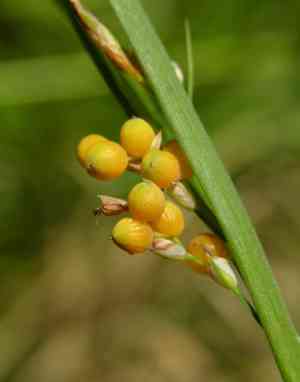
Golden sedge flourishes in damp, marshy environments, rendering it ideal for the borders of water gardens or wetland zones. Reproduction is successfully accomplished via separation in the early spring. It is crucial to verify that every separated segment possesses sufficient roots to sustain fresh development. Promptly re-establishing the divisions in moist, adequately draining soil is essential, along with preserving elevated humidity until the plant takes hold.
Optimal Time for Golden Sedge Propagation?
Propagation Type
Cutting
Propagation Season
Spring,Summer
Tools for Golden Sedge Propagation?
Sharp Pruning Shears
These shears are vital for making clean cuts on golden sedge stems or roots without crushing plant tissue, which is key for healthy root growth in cuttings. Sharp blades ensure precise cuts, minimizing damage and boosting rooting success.
Rooting Hormone
This chemical solution or powder encourages root development from golden sedge cuttings. It contains synthetic auxins that mimic natural plant growth hormones, significantly improving the chances of successful root formation, especially for sedge plants' often tricky rooting process.
Sterile Potting Mix
A well-draining, sterile potting mix offers the ideal environment for golden sedge cuttings to root. It prevents disease and supports moisture retention without waterlogging, which is crucial for the delicate roots of golden sedge during their initial growth.
Planting Trays
Trays are used to hold golden sedge soil and cuttings in an organized way. They help distribute moisture and nutrients evenly, and simplify monitoring and maintaining environmental conditions, thus supporting the overall health of the cuttings.
Misting Bottle
A misting bottle is used to gently water golden sedge cuttings, keeping humidity at an optimal level without disturbing the soil or new roots. Regular misting helps maintain necessary moisture levels around cuttings, critical for their survival and growth.
How to Propagate Golden Sedge?
Propagation Type
Simple
Caring for Newly Propagated Golden Sedge?
Caring for Newly Propagated Golden Sedge?
Continue to care for golden sedge by keeping soil consistently moist but not waterlogged. Place plants in partial to full shade. Monitor for pests or diseases, and treat as needed. Periodically, trim back old or overgrown foliage to encourage strong, healthy growth and improve appearance.
Common Mistakes to Avoid When Propagating Golden Sedge
Overwatering during propagation
If golden sedge is propagated in overly moist soil, it can lead to root rot. This plant thrives in well-drained conditions, and excessive watering can hinder root development, resulting in poor growth or even plant death.
Using non-sterilized tools or containers
Propagation failure or disease spread can occur if tools and containers are not sterilized. Golden sedge is prone to fungal diseases, which can worsen with contaminated propagation materials.
Ignoring rhizome health
Failing to select healthy rhizomes for division can lead to unsuccessful golden sedge propagation. Damaged or diseased rhizomes typically do not recover well, resulting in wasted effort and unhealthy plant growth.
Tips For Propagating Golden Sedge
Ensure proper drainage
Utilize a well-draining propagation medium. Golden sedge thrives where excess water can freely drain, reducing root rot risk and fostering stronger root development.
Use sharp and clean tools for division
Ensure cutting tools are clean and sharp before dividing golden sedge. This prevents disease transmission and ensures clean cuts that heal faster, aiding quicker establishment after propagation.
Select healthy, vigorous rhizomes
When dividing golden sedge, always choose healthy and robust rhizomes. This increases the likelihood of successful propagation and results in more vigorous new plants that can better withstand environmental stresses.



