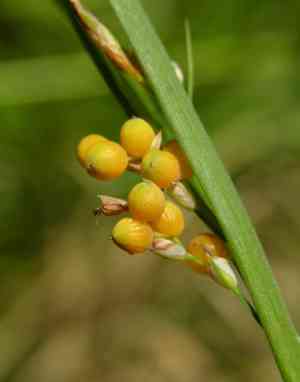
Golden sedge (Carex aurea)
Also known as: Golden Sedge
Bowles' Golden Sedge, also known as Carex elata 'Aurea', is a clumping sedge that produces small, rounded fruits during the summer. Its vibrant yellow foliage, which lends the plant its common name, makes it a favored choice for gardens. This plant has also been honored with the Royal Horticultural Society's Award of Garden Merit.
In This Article
Attributes of Golden sedge
Lifespan
Perennial
Plant Type
Herb
Plant Height
10 cm to 41 cm
Spread
N/A (not typically measured for sedges)
Leaf Color
Yellow-green
Flower Size
N/A
Flower Color
Golden-yellow
Images of Golden sedge
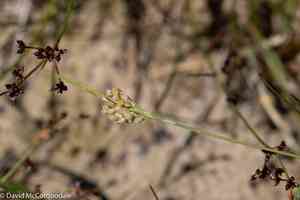
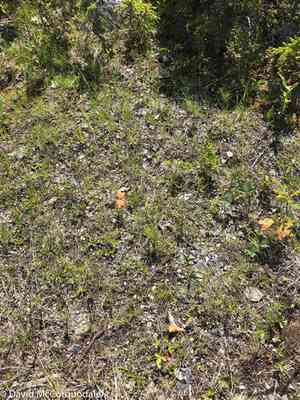
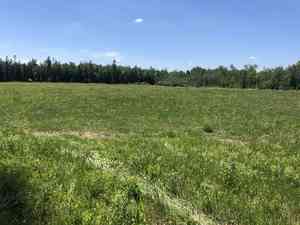
Quickly Identify Golden sedge
1
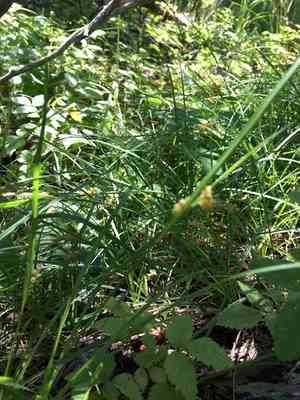
The plant can be identified by its bright yellow-green leaves and golden-yellow, spikelet-like flowers. It typically grows in clumps and has a triangular stem cross-section.
Scientific Classification of Golden sedge
Phylum
Vascular plants
Class
Monocotyledons
Order
Poales
Family
Sedge
Genus
True sedges
Species
Golden sedge
Planting and Growing of Golden sedge
Care Difficulty
Easy
Watering Schedule
Every 3 days
Sunlight Requirements
Partial sun
Sunshine Duration
4-8 hours
Ideal Temperature
50-70℉
Soil Type
Potting Mix, Peat Mix
Soil pH
6.5-7.5
Fertilizer Type
Balanced
Pruning Season
Spring, Summer
Pruning Area
Branches, Leaves
Pruning Frequency
2 times a year
Repotting Season
Spring
Pot Type
Plastic, Ceramic
 How to Water Golden sedge?
Carex aurea appreciates moderate watering, ideally around 250 milliliters per session. This volume ensures the soil is thoroughly moistened but not waterlogged. Following a regular schedule and monitoring soil moisture levels ensures optimal hydration. Always check that water drains freely from the pot, preventing root suffocation.
What are the symptoms of an underwatered Golden sedge?
›
What should I do if my Golden sedge is not getting enough water?
›
What are the symptoms of an overwatered Golden sedge?
›
How to save an overwatered Golden sedge?
›
 What Are the Sunlight Requirements for Golden sedge?
Carex aurea flourishes with partial sun exposure. Ideally, this means 3-6 hours of gentle sunlight daily, balancing light needs with shade to prevent burning, promoting vigorous growth and rich foliage.
More About Sunlight Requirements Techniques→
How much light does Carex aurea need?
›
Solution for achieving ideal lighting conditions?
›
Benefits of achieving ideal lighting conditions?
›
 What Is the Ideal Temperature Range for Golden sedge?
The ideal temperature range for Carex aurea, commonly known as golden sedge, is between 50 and 70 degrees Fahrenheit. Maintaining a stable environment within this range supports optimal growth and helps the plant develop healthy foliage. Temperatures within this range mimic the temperate climates where the species naturally thrives, ensuring that the plant has the energy it needs for photosynthesis and nutrient uptake.
 What Soil is Best for Golden sedge?
Carex aurea thrives in soil types that can retain moisture effectively. This helps provide a consistent water supply to the roots, crucial for its health and growth. Rich organic material in the soil provides essential nutrients for Carex aurea, ensuring healthy foliage and supporting robust growth. While retaining moisture is important, good drainage is also crucial to prevent root rot in Carex aurea, ensuring longevity and vigor.
 How to Fertilize Golden sedge?
For Carex aurea, ensuring the right amount of fertilizer is crucial. This plant generally prefers a diluted liquid fertilizer, applied at half the recommended strength to prevent excess nutrient build-up. During the early growth phase, you might want to start with a smaller amount and gradually increase as the plant matures. Avoid fertilizing in the dormant period.
 How to Prune Golden sedge?
Regularly inspect your Carex aurea for any leaves that are dead, yellowing, or damaged. Removing these can help focus the plant's energy on new growth and keep it looking vibrant and attractive. Carefully trim the plant to maintain its natural shape. It's best to prune from the outer edges to encourage a fuller and more even appearance. Ensure that you trim consistently to promote balanced growth.
More About Pruning Techniques→
 How to Propagate Golden sedge plant?
1
To break seed dormancy, cold stratification is essential. Place seeds in a moist medium in the refrigerator for 6-8 weeks. This mimics winter conditions, stimulating germination processes in the seed.
2
Sow seeds in seed trays filled with a fine seed-raising mix. Lightly cover them with soil, ensuring adequate moisture. Maintain a warm temperature to trigger germination, typically within two weeks.
3
In early spring, divide mature clumps using a sharp spade. Replant divisions into prepared soil, ensuring each has roots attached. Water thoroughly after planting to help the plant establish in its new location.
 How to Repot Golden sedge plant?
1
Carex aurea should be repotted when you notice signs like roots emerging from the drainage holes or when water takes longer to seep through the soil. These indicators suggest that the plant has outgrown its pot and it's time to give it more room to thrive.
2
Opt for a pot that is 2-3 inches larger in diameter than the current one, with ample drainage holes to prevent waterlogging. A slightly larger pot encourages healthy root spread and helps prevent issues like root rot by ensuring excess water can escape.
3
A well-draining loamy mix is ideal for Carex aurea, as it retains enough moisture while allowing excess water to drain away. This type of soil is beneficial because it provides the necessary aeration and prevents root rot, allowing your plant to grow healthily.



